33 Shocking Habits Former Inmates Couldn’t Escape Even After Freedom
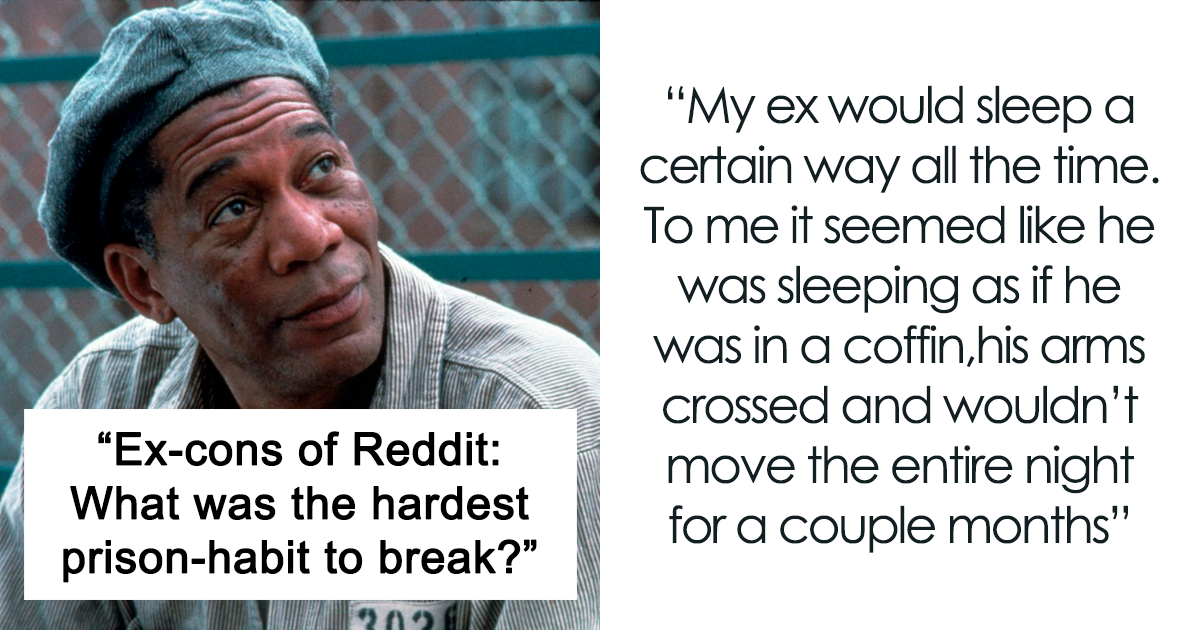
According to data from the Bureau of Justice Statistics (BJS), among prisoners released from jails in 34 states in the five-year period from 2012 to 2017, seventy percent were arrested again within the next five years. As for prisoners with juvenile records, here the recidivism rate is even higher – 80%. Yes, imprisonment has a strong influence on the human psyche, even too much…
 Doing laps. In prison, every time you get time on the yard, you do laps. Seriously, almost every single person does it too. When you get out, it’s hard to break that habit.
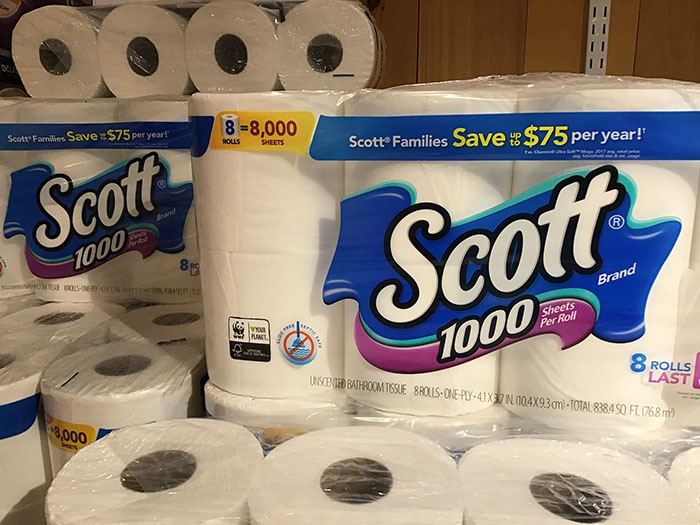 I find myself hoarding toilet paper under my bed. Sometimes I do it without thinking and I’ll look under there and have 10 rolls of tp
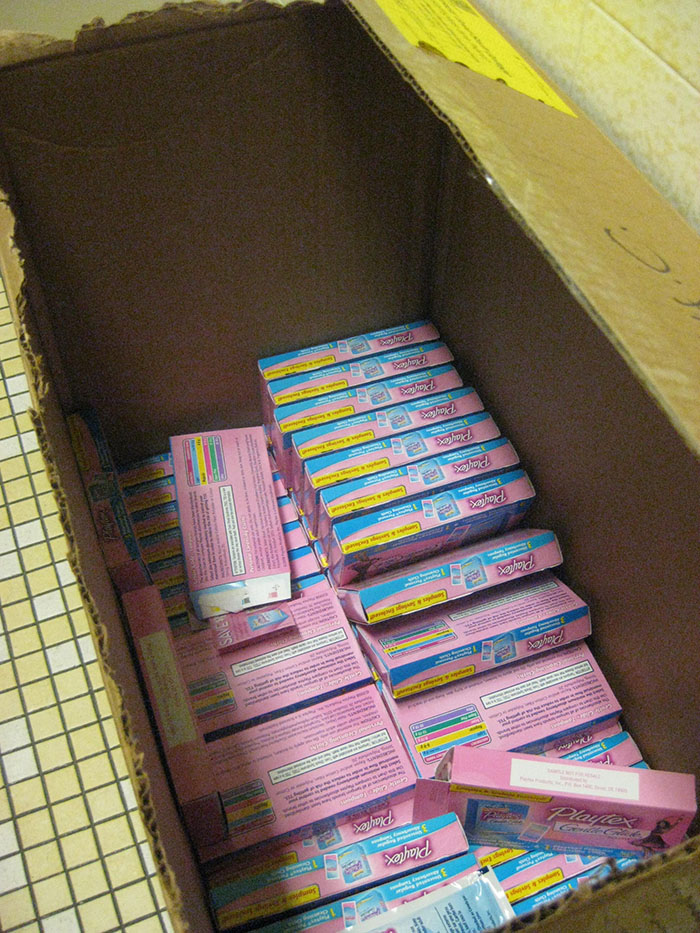 Hoard feminine hygiene products. We were super limited on the number of pads or tampons they gave us. They didn’t give any to the women in holding cells. There was dried and fresh menstrual blood on the floor and concrete benches, and a drain in the middle of the rooms like they intended to hose down the room, but if they did it was not often enough.
 I knew of a guy who got out after 15 years. He had to call a friend to come and let him out of his apartment. They’d go out, do some shopping or whatever and then his friend would “lock him up” for the night. Dude could not work doors himself without irrational fear. He did get better after a few months, but I hear he still has trouble doing things independently.
 Constantly looking over my shoulder. By far the hardest conditioning to break, which I haven’t and doubt I ever will, is the constant pessimism and cautious optimism. You see, when you’re waiting to work your way through court, get a deal, and get sentenced, you will have your dates changed 50 times, hope for certain things only to be disappointed, and any time you are told something hopeful it doesn’t work out. As a result, I never get excited for something until it actually happens. When my wife told me we were pregnant (I already knew from her symptoms that she was but still, you never know for sure till you take the test), I was obviously happy, but because I’m always cautiously optimistic and rarely show emotion, I couldn’t feel comfortable or excited until I knew that my developing daughter was healthy. Even then, it didn’t really hit me till she was born. You can apply this to anything especially big events. Getting engaged, planning the wedding, buying a house, ANYTHING. I still hear from my wife how i wasn’t crazy surprised or excited to be having a kid. I was, I actually was the half of the relationship who was dead set on a kid when my wife supposedly could’ve gone either way. You just can’t get your hopes up or look forward to anything until it is here or has happened. I’ve been home over 7 years now and with my wife for 6.5. She’s truly the catalyst that motivated me to truly change my life and to not give any more of my life to the system, but she’ll never know how happy she makes me because she misinterprets my cautious optimism/realism for pessimism or indifference.
“The biggest problem is the criminal justice system, and the mental health system are not closely aligned,” VeryWell Mind quotes Robert Morgan, PhD, chair and John G. Skelton Jr., regents endowed professor in the Department of Psychological Sciences at Texas Tech University. “We need to teach [former inmates] system management and how to cope. We need to teach them about their mental illness and make sure that they know once they leave, they need to reconnect with the mental health system.” In an ideal world – yes. In real life – who knows?
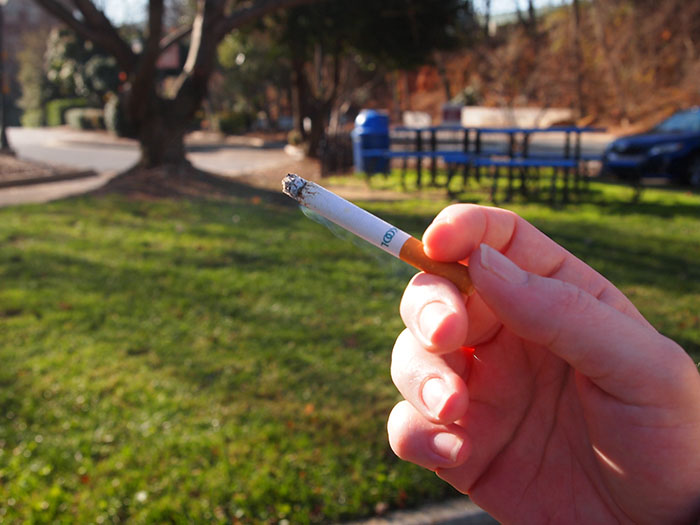 I don’t smoke, but every time someone offered me a cig I would pocket it. on the inside thats a bartering chip, took me about a month or two to break
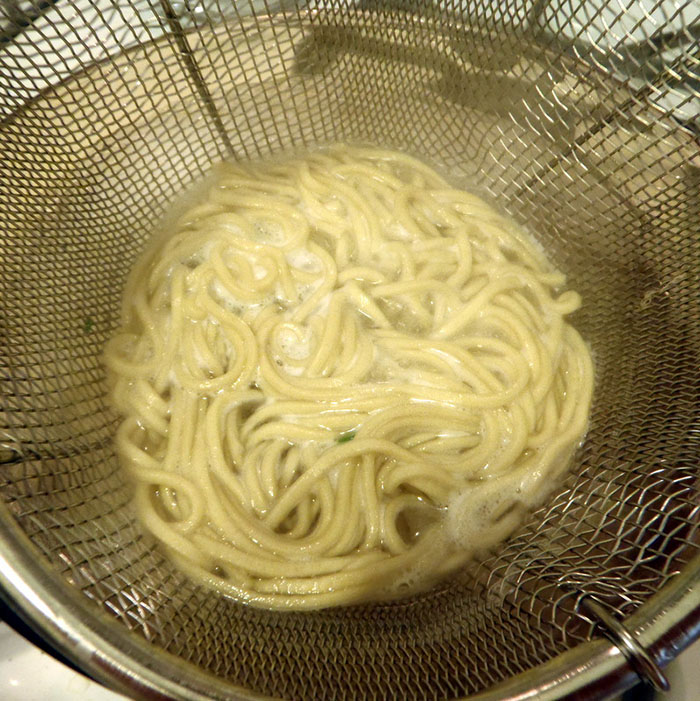 Making prison commissary-only food. Everyone around me thinks it is gross as h**l to throw summer sausages, pickles, cheese, doritos, cheetos, and such into my ramen noodles, but good lord, I can’t stop, and I have been out for five years.
PROMIXX FORM Protein Shaker Bottle - A Premium Shaker Bottle for Protein Shakes Infusions and Hydration - Durable Gym Shaker Bottle, Leakproof Lid, Odorless - 26oz (Graphite Gray)
$12.99 (as of October 25, 2026 01:02 GMT +00:00 - More infoProduct prices and availability are accurate as of the date/time indicated and are subject to change. Any price and availability information displayed on [relevant Amazon Site(s), as applicable] at the time of purchase will apply to the purchase of this product.)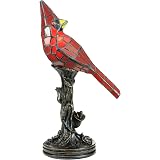
RIVER OF GOODS Stained Glass Bird Accent Lamp - 8" W x 13.5" H - Tiffany Style Table Lamps for Home, Office Desk, Bedroom, Nightstand - Blue Jay Decor
(as of October 25, 2026 01:02 GMT +00:00 - More infoProduct prices and availability are accurate as of the date/time indicated and are subject to change. Any price and availability information displayed on [relevant Amazon Site(s), as applicable] at the time of purchase will apply to the purchase of this product.)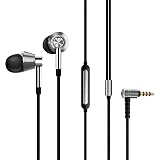
1MORE Triple Driver In-Ear Headphones - Silver - Wired - Adult - In Ear - 18 grams - 90 days limited warranty
(as of October 25, 2026 01:02 GMT +00:00 - More infoProduct prices and availability are accurate as of the date/time indicated and are subject to change. Any price and availability information displayed on [relevant Amazon Site(s), as applicable] at the time of purchase will apply to the purchase of this product.)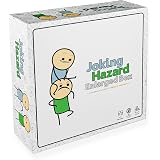
Joking Hazard Enlarged Box Empty Box for Card Storage
$12.00 (as of October 25, 2026 01:02 GMT +00:00 - More infoProduct prices and availability are accurate as of the date/time indicated and are subject to change. Any price and availability information displayed on [relevant Amazon Site(s), as applicable] at the time of purchase will apply to the purchase of this product.)