39 Fascinating Buildings That Vanished Without a Trace—Discover What Time Took Away
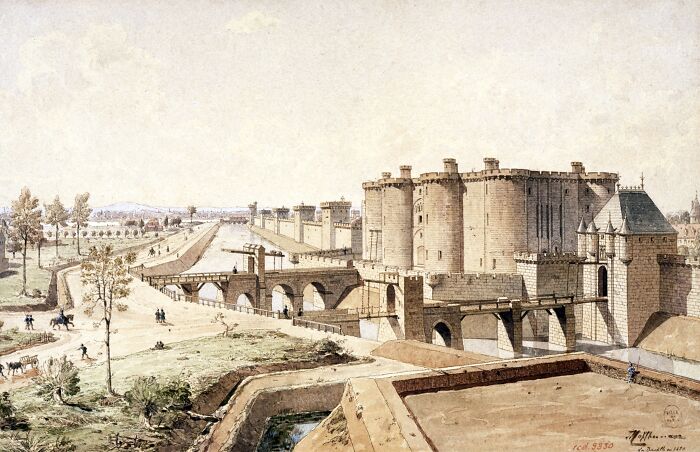
That reputation is exactly why a furious crowd stormed the gates on July 14, 1789, sparking the French Revolution and turning the building into an icon of the Republican movement. The revolutionaries captured it and they dismantled the structure stone by stone in 1790, clearing the ground for the modern-day Place de la Bastille.
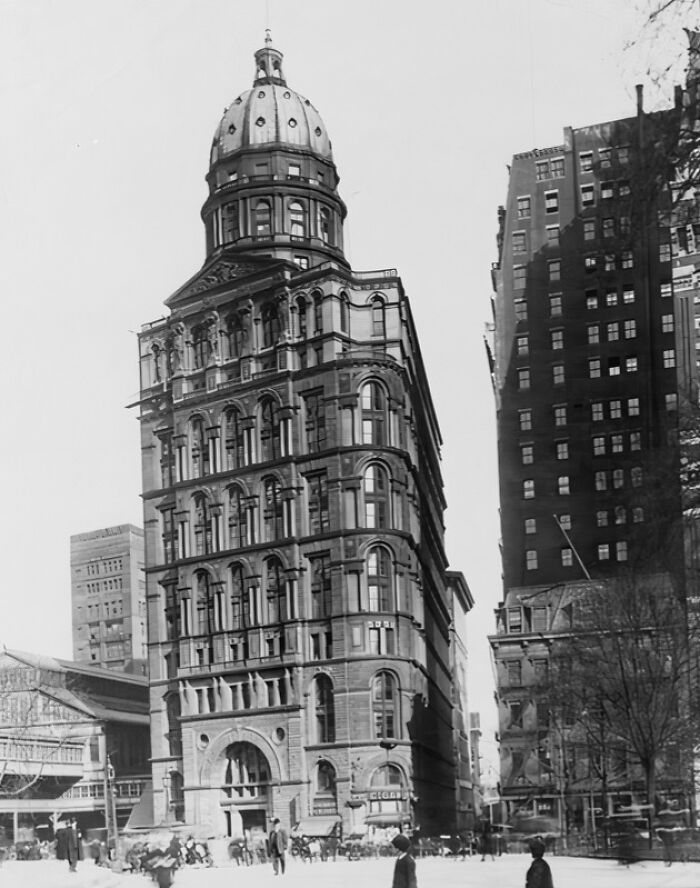
But by 1955, city planners decided they needed more room for an expanded entrance ramp to the Brooklyn Bridge, and the wrecking ball swung into action, finishing the job in 1956. Fortunately, not everything ended up in a landfill and the Columbia University School of Journalism managed to save the building’s cornerstone and a massive stained glass window as tributes to its journalistic history.
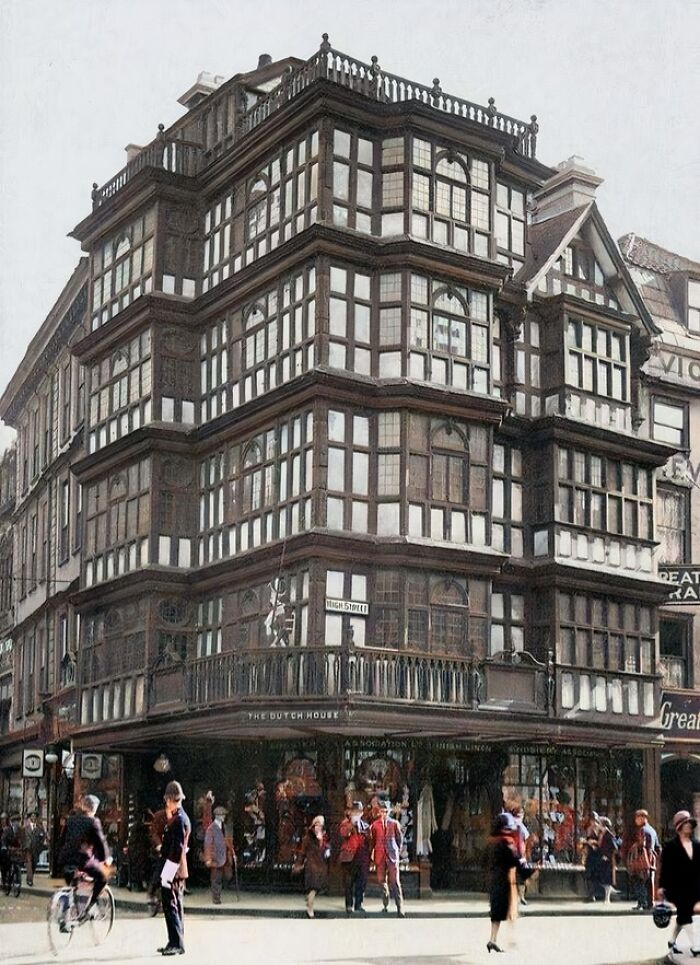
By the 27th, the damage was so severe that an army crew had to step in to finish the job for safety reasons. Bringing it down was actually a massive headache, though; eyewitnesses watched a lorry struggle to pull the wreckage down with cables because the building’s steel frame was still securely bolted to the Jones and Company department store next door.
The demolition wasn’t just a renovation project though. It was a symbolic nail in the coffin for peace talks, following a speech Kim Jong Un delivered in December 2023. At that assembly, he declared that the South had effectively become a nuclear outpost for the U.S., explicitly ruling out any future possibility of peaceful reunification.
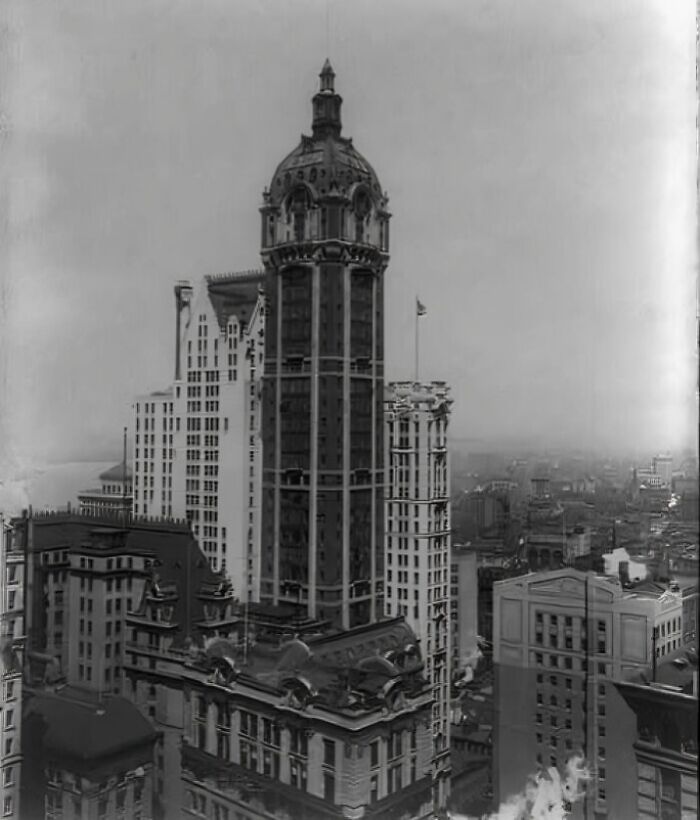
It wasn’t until 2019, when 270 Park Avenue was brought down, that the Singer Building finally lost its title as the highest skyscraper to be intentionally destroyed.





WIN $500 OF SHOPPING!
This will close in 0 seconds





















Post Comment