The Secret Processes That Strip Caffeine and Alcohol—Revealed!

Ever wonder how your morning cup of decaf still manages to taste like the real deal despite having the pep practically boiled out of it? Or how non-alcoholic beers and wines come so close to the buzz without actually hitting you with one? It’s wild to think that caffeine and alcohol—two of the most beloved drugs on the planet—are meticulously stripped away from our favorite beverages, yet somehow the taste lives on. Around 80% of the world’s population swigs caffeine daily, while about a third indulge in alcohol, but for health reasons, beliefs, or just plain preference, many dodge the jitters and the hangovers. So, how on earth do producers pull off the magic trick of removing those core ingredients without turning coffee into a sad, watery relic or beer into cheerless soda? Pull up a chair and pour yourself a drink—decaf or not—and let’s dive deep into the curious history and crafty chemistry behind these caffeine- and alcohol-free concoctions. Prepare for tales of accidental discoveries, political irony, and high-tech wizardry that’ll make you look at your next cup or glass in a whole new light. LEARN MORE.
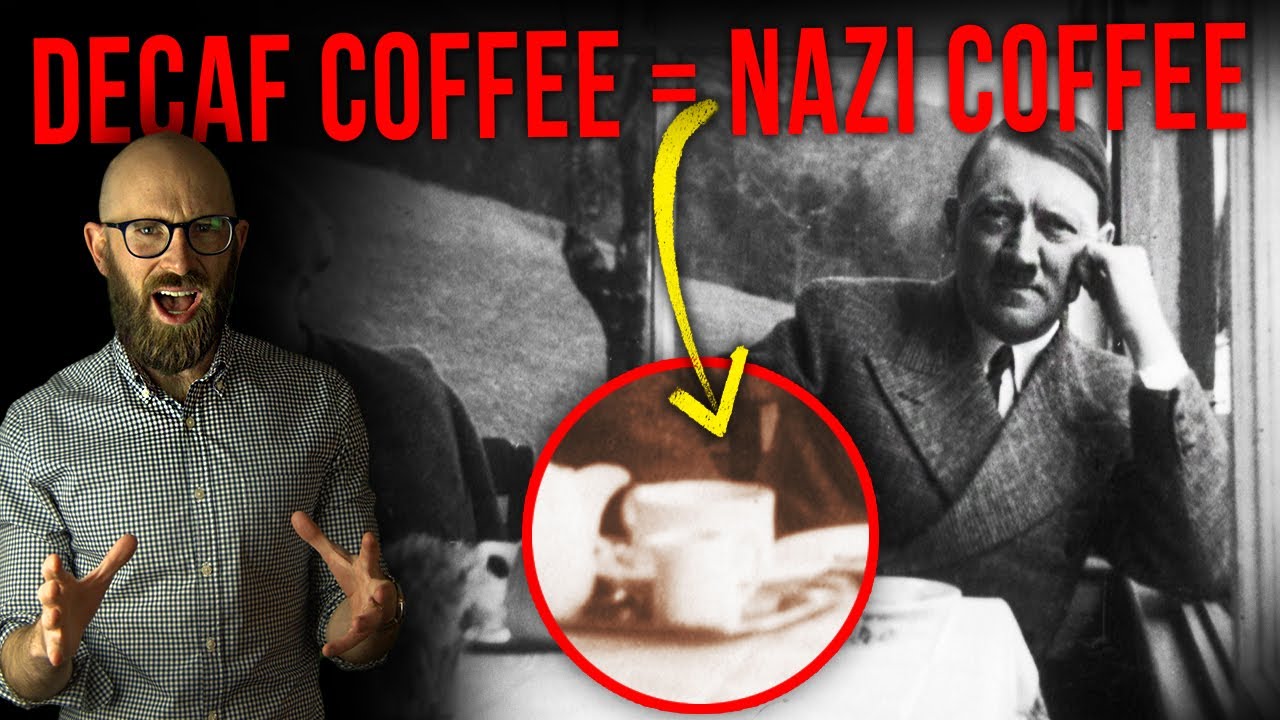 Caffeine. Alcohol. Nicotine. These are the three most widely-consumed drugs in the world. Every day, around 80% of the world’s population – around 6.4 billion people – consumes caffeine – typically in the form of coffee, tea, or cola – with the average consumer’s daily intake being around 200 milligrams. Meanwhile, 32.5% of the world’s population – around 2.4 billion people – consume alcohol – mainly in the form of wine and beer – with an average daily consumption of 1.2 standard drinks or 17 grams of pure ethanol. However, for various reasons including health concerns, religious prohibitions, or simple personal preference, many people are unable to enjoy an energizing cup of Joe in the morning or a cold, relaxing brew at the end of the day. Thankfully for those who still wish to enjoy the taste of these drinks without any of the negative effects, a wide variety of options are available, including decaffeinated coffees and teas and non-alcoholic wines and beers – many of which are virtually indistinguishable from their more psychoactive counterparts. But how are these remarkable beverages produced? How do manufacturers remove one of their most fundamental components while leaving the taste largely unchanged? Well, pour yourself a hot – or cold – one as we dive into the fascinating history and chemistry of caffeine and alcohol-free drinks.
We begin our story with the decaffeination of coffee and tea. The first person to extract caffeine from coffee beans was German chemist Friedlieb Ferdinand Runge, who in 1819 isolated the active ingredient of the deadly nightshade plant Atropa belladonna – a toxic alkaloid today known as atropine. During the Renaissance, women dripped extract of deadly night shade into their eyes to dilate their pupils and achieve a fashionable doe-eyed look – hence the name belladonna, meaning “beautiful woman.” Runge determined that atropine was responsible for this dilating effect, testing the compound on the eyes of cats. This research soon came to the attention of German poet and polymath Wolfgang von Goethe, who, having just received a shipment of coffee beans, asked Runge if he could isolate the active stimulant compound. Runge obliged, and in 1820 succeeded in extracting and identifying caffeine. However, this is where his research on the matter ended; he did not further investigate the chemistry of caffeine nor seek to use his extraction process commercially to produce decaffeinated coffee. That breakthrough would have to wait nearly a century.
The father of decaffeinated coffee as we know it today was Ludwig Roselius, a coffee roaster’s apprentice from Bremen, Germany. Roselius’s quest against caffeine was a personal one: his father’s death in 1902 was attributed by the attending doctor to his drinking too much coffee. However, the method for removing it from coffee was discovered entirely by accident. As the story goes, one day Roselius received a shipment of coffee beans which had accidentally been soaked in seawater. After drying, roasting, brewing, and tasting the beans, Roselius found to his surprise that the saltwater had removed most of the caffeine while leaving the flavour largely intact aside from a slight saltiness. Based on this discovery, in 1905 Roselius patented a decaffeination method and in 1906 founded the company Kaffee Handels-Aktiengesellschaft or Coffee Public Trading Company – better known as Kaffee HAG. Roselius’s decaffeinated coffee beans would soon be sold across Europe under the brand name Sanka – a contraction of the French sans caféine – and in the United States as Dekafa.
Kaffee HAG’s process, known as the direct organic solvent method or Roselius method, involved steaming green, un-roasted coffee beans with ammonia-laced water until they became saturated with water and swelled to double their original size. The beans were then washed with an organic solvent like benzene or chloroform, which dissolved and flushed out the caffeine. Finally, the now-decaffeinated beans were dried and packaged for shipment to roasters and distributers. Later, Kaffee HAG developed a different decaffeination process known as the indirect solvent method. In this process, the green beans were soaked in hot water to effectively produce a raw coffee containing both caffeine and other flavour molecules. This fluid was then moved to another area and treated with organic solvents to remove the caffeine, before being returned to the beans. This process was repeated several times until all the caffeine was leached out of the beans, whereupon the beans and raw coffee were dried together, producing beans containing all their original flavour molecules except caffeine.

Fire Blanket - 1500F CE Certified Emergency Fire Blanket for Home & Kitchen | 500GSM Fabric & 0.5mm Thick - 100% Fiberglass Fire Extinguisher for Car,Warehouse Office - 2pc (40x40 inches) by Supa Ant
$53.45 (as of September 18, 2026 00:43 GMT +00:00 - More infoProduct prices and availability are accurate as of the date/time indicated and are subject to change. Any price and availability information displayed on [relevant Amazon Site(s), as applicable] at the time of purchase will apply to the purchase of this product.)
Rhythm Superfoods Kale Chips, Zesty Nacho, Organic and Non-GMO, 2.0 Oz (Pack of 4), Vegan/Gluten-Free Superfood Snacks
(as of September 18, 2026 00:43 GMT +00:00 - More infoProduct prices and availability are accurate as of the date/time indicated and are subject to change. Any price and availability information displayed on [relevant Amazon Site(s), as applicable] at the time of purchase will apply to the purchase of this product.)
RIVER OF GOODS Mid-Century Modern Transitional LED Bronze Chrome Ceiling Fan - 52" L x 52" W - Rich Barnwood/Light Driftwood Fan Blades - Metallic Ceiling Fan with Light and Fabric Shade
(as of September 18, 2026 00:43 GMT +00:00 - More infoProduct prices and availability are accurate as of the date/time indicated and are subject to change. Any price and availability information displayed on [relevant Amazon Site(s), as applicable] at the time of purchase will apply to the purchase of this product.)
White Leaf Baby Food Pouches, Toddler Snack, Mango + Carrot + Banana + Pear | 24 Pack, Organic No Added Sugar, Non-GMO, BPA-Free Regeneratively Farmed, Squeeze Puree Smoothie Pouch for Adults & Children
$69.95 (as of September 18, 2026 00:43 GMT +00:00 - More infoProduct prices and availability are accurate as of the date/time indicated and are subject to change. Any price and availability information displayed on [relevant Amazon Site(s), as applicable] at the time of purchase will apply to the purchase of this product.)