The Surprising Money Mistakes People Admit Making in the Past Year—Are You Guilty Too?

Why is it that we’ll bend over backwards to share a silly cat meme, but when it comes to sharing actual cash or—dare I say—financial wisdom, we all suddenly clam up? “Sharing is caring,” they say . But most of us would sooner share a secret lasagna recipe than admit the thing we regret most about our money habits . So let’s rip off the Band-Aid together—because if there’s one thing Americans have plenty of (besides those streaming subscriptions piling up), it’s money regrets .
Money, after all, comes with no instruction manual . Whether you’re haunted by the memory of blowing your rent money on Taylor Swift tickets, or wake up at 3 a.m. chewing over your 2009 decision not to buy Bitcoin, the pain is real . Hindsight has a mean right hook, doesn’t it? But hey—if we can laugh about it, maybe we can learn something, too . This year’s NerdWallet survey proves we’re all in the same rocky boat: most of us wish we’d saved more, spent less, or paid attention before our credit score got as bruised as a piñata after a kid’s birthday bash .
So, what if we channeled all that gnawing regret into making smarter, less headache-inducing decisions? That’s what this article is here for: a deep dive into the top 13 money regrets Americans confessed to in 2024 . Cautionary tales, face-palms, and real-deal tips—served with a side of, “at least you’re not alone .” Ready to see if your stack of “I wish I hadn’ts” makes the list? LEARN MORE
When it comes to money, hindsight can be a harsh teacher. Every year, Americans reflect on financial decisions they wish they could redo. According to a 2024 NerdWallet survey, some of the most common regrets related to money revolve around saving habits, overspending, and managing credit. These are mistakes that affect almost everyone, regardless of income or background.
The tricky part is that money regrets often stem from good intentions gone wrong, like prioritizing experiences or trying to keep up with financial demands in the face of rising costs. But each regret offers a lesson, and understanding these missteps can help us make smarter decisions moving forward.
It could be not saving for emergencies or overspending on a big event; these regrets paint a vivid picture of the financial struggles people face. Here are the 13 biggest money regrets Americans reported this year, along with insights into how these choices impact our wallets and our peace of mind.
1. Not Saving for Emergencies (29%)

Image Credit: Shutterstock.
Topping the list of regrets was not having an emergency fund. Nearly a third of respondents admitted they weren’t prepared for unexpected expenses like medical bills or car repairs. This can create a financial domino effect, forcing people to rely on high-interest credit cards or loans. Experts recommend saving at least three to six months’ worth of living expenses in an emergency fund. While it can seem daunting, starting small, even $20 a week, can help build a safety net over time.
2. Not Saving Enough for Financial Goals (27%)

Image Credit: Shutterstock.
Falling short on savings goals was another major regret, with 27% of Americans wishing they had put more aside for milestones like buying a home, retirement, or education. Financial goals often feel distant, making it easy to prioritize day-to-day expenses instead. Setting clear, realistic targets and automating contributions to savings accounts can make a big difference. Even small, consistent deposits can compound over time, helping you get closer to your dreams.
3. Overspending on Entertainment (25%)

Image Credit: Shutterstock.
One in four Americans regretted splurging on entertainment, from streaming subscriptions to dining out and concerts. While these experiences bring joy in the moment, they can add up quickly and eat into budgets meant for essentials. A good rule of thumb is to budget a fixed amount for entertainment each month. Tracking expenses can also help identify patterns and areas where cutting back won’t feel like a sacrifice.
4. Not Improving Credit Scores (21%)

Image credit: Deposit Photos.
A poor credit score can haunt you, affecting everything from loan approvals to interest rates. About 21% of respondents regretted not doing more to boost their credit, often realizing too late how much it matters. Improving your credit score doesn’t have to be complicated. Paying bills on time, reducing credit card balances, and reviewing your credit report for errors are all effective ways to improve it over time.
5. Taking on Too Much Credit Card Debt (20%)

Image Credit: Deposit Photos.
Credit card debt is one of the easiest financial traps to fall into. Twenty percent of people regretted racking up too much debt, often due to high interest rates that make it difficult to pay off balances. Creating a plan to tackle debt through snowball or avalanche methods, can ease the burden. Avoiding new charges while paying down existing debt is key to regaining control.
6. Not Reducing or Paying Off Credit Card Debt (20%)

Image Credit: Shutterstock.
Closely related to regret over taking on debt is the regret of not paying it off. Letting balances linger can lead to growing interest charges, making it even harder to get out of debt. Allocating even small amounts beyond the minimum payment can help chip away at balances faster. Combining this with a solid budget can create a path to becoming debt-free.
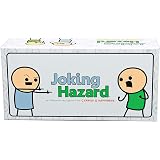
Joking Hazard by Cyanide & Happiness - 360+ Funny & Inappropriate Comic Cards, Hilarious Party Games | Includes Add-Your-Own-Words Cards
$18.79 (as of October 18, 2026 01:00 GMT +00:00 - More infoProduct prices and availability are accurate as of the date/time indicated and are subject to change. Any price and availability information displayed on [relevant Amazon Site(s), as applicable] at the time of purchase will apply to the purchase of this product.)
RIVER OF GOODS LED Boho Ceiling Fan with Hand Woven Brown/Natural Rope - Macrame Knot Work and Hemp Rope Style Eclectic Cottage Decor - 52" L x 52" W - Rich Barnwood/Light Driftwood Fan Blades
(as of October 18, 2026 01:00 GMT +00:00 - More infoProduct prices and availability are accurate as of the date/time indicated and are subject to change. Any price and availability information displayed on [relevant Amazon Site(s), as applicable] at the time of purchase will apply to the purchase of this product.)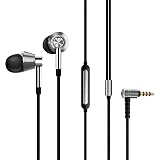
1MORE Triple Driver In-Ear Headphones - Silver - Wired - Adult - In Ear - 18 grams - 90 days limited warranty
(as of October 18, 2026 01:00 GMT +00:00 - More infoProduct prices and availability are accurate as of the date/time indicated and are subject to change. Any price and availability information displayed on [relevant Amazon Site(s), as applicable] at the time of purchase will apply to the purchase of this product.)
RIVER OF GOODS Stained Glass Bird Accent Lamp - 8" W x 13.5" H - Tiffany Style Table Lamps for Home, Office Desk, Bedroom, Nightstand - Blue Jay Decor
$79.99 (as of October 18, 2026 01:00 GMT +00:00 - More infoProduct prices and availability are accurate as of the date/time indicated and are subject to change. Any price and availability information displayed on [relevant Amazon Site(s), as applicable] at the time of purchase will apply to the purchase of this product.)