The Surprising Home Hacks That Instantly Slash High Cholesterol — Doctors Won’t Tell You!

So, you just got handed the dreaded news: high cholesterol. Yeah, it’s like your body’s throwing a surprise party, but instead of balloons, it’s handing you a ticket to artery drama—think strokes and heart attacks lurking around the corner. Now, before you buckle up and accept a lifetime romance with meds, hold on a sec. What if tweaking your diet and lifestyle could keep those pesky numbers in check without swallowing pills like candy? Stick with me — I’m about to spill the beans on some surprisingly simple, totally doable home changes that might just rescue your ticker and maybe even let you enjoy your favorite meals without the guilt trip. Ready to kick bad fats to the curb, boost your good ones, and show stress the exit door? Let’s dive in!

Image by Steve Buissinne from Pixabay
Hearing that you have high cholesterol is never good news. It’s usually announced by the doctor once you’ve had some labs done as part of your annual checkup. If your cholesterol is really high or you’ve been high for too long, medications are usually discussed.
If you maintain high cholesterol, it can lead to hardening of the arteries, strokes, and heart attacks.
Don’t want to be on meds? There are plenty of diet and lifestyle changes you can make so you can manage your cholesterol naturally.
Eliminate “Bad” Fats
Trans and saturated fats are considered “bad.” Harvard Medical School suggests decreasing your intake of these fats. Be careful not to intake more sugar as you decrease these fats, though.

Photo by Jonathan Borba on Unsplash
Increase “Good” Fats
Increasing your good fats lowers your LDL (the bad form of cholesterol). Such foods include olive oil, peanut oil, and other plant-based oils. Various fish like salmon, tuna, and herring can also help you get these oils into your diet.
Increase Fiber Intake
More soluble fiber added to your diet is what the Mayo Clinic recommends. This includes such food sources as darker fruits and veggies, nuts, beans, and whole grains.

Image by Wolfgang Eckert from Pixabay
Exercise Frequently
Exercise is capable of impacting your cholesterol level (and can help you lose weight, too). It’s suggested that you do aerobic exercises for at least 30 minutes a day, four times a week.
Reduce Stress
Stress is capable of driving cholesterol numbers up. This means that you should actively work to reduce stress, whether it’s with yoga, deep breathing exercises, or just socializing to let off some steam.
None of this sounds too hard, right? With a bit of effort, you can keep your cholesterol down in order to lead a healthier life.
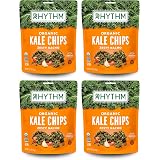
Rhythm Superfoods Kale Chips, Zesty Nacho, Organic and Non-GMO, 2.0 Oz (Pack of 4), Vegan/Gluten-Free Superfood Snacks
(as of October 4, 2026 00:55 GMT +00:00 - More infoProduct prices and availability are accurate as of the date/time indicated and are subject to change. Any price and availability information displayed on [relevant Amazon Site(s), as applicable] at the time of purchase will apply to the purchase of this product.)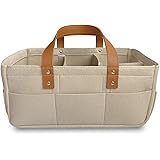
KiddyCare Diaper Caddy Organizer Cart for Nursery Baby Basket Gift for Boy/Girl | Diaper Caddy for Changing Table Basket Organizer with Dividers | Caddy for Baby Stuff Breast Pump Caddy - Regular
$8.95 (as of October 4, 2026 00:55 GMT +00:00 - More infoProduct prices and availability are accurate as of the date/time indicated and are subject to change. Any price and availability information displayed on [relevant Amazon Site(s), as applicable] at the time of purchase will apply to the purchase of this product.)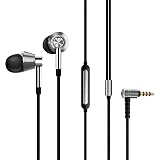
1MORE Triple Driver In-Ear Headphones - Silver - Wired - Adult - In Ear - 18 grams - 90 days limited warranty
(as of October 4, 2026 00:55 GMT +00:00 - More infoProduct prices and availability are accurate as of the date/time indicated and are subject to change. Any price and availability information displayed on [relevant Amazon Site(s), as applicable] at the time of purchase will apply to the purchase of this product.)
The Door Balancer Eliminates The Need for Door Props, Door Stops and Door Wedges
(as of October 4, 2026 00:55 GMT +00:00 - More infoProduct prices and availability are accurate as of the date/time indicated and are subject to change. Any price and availability information displayed on [relevant Amazon Site(s), as applicable] at the time of purchase will apply to the purchase of this product.)