Plunge Into the Unknown: 10 American Lakes Hiding Depths No One Has Ever Explored
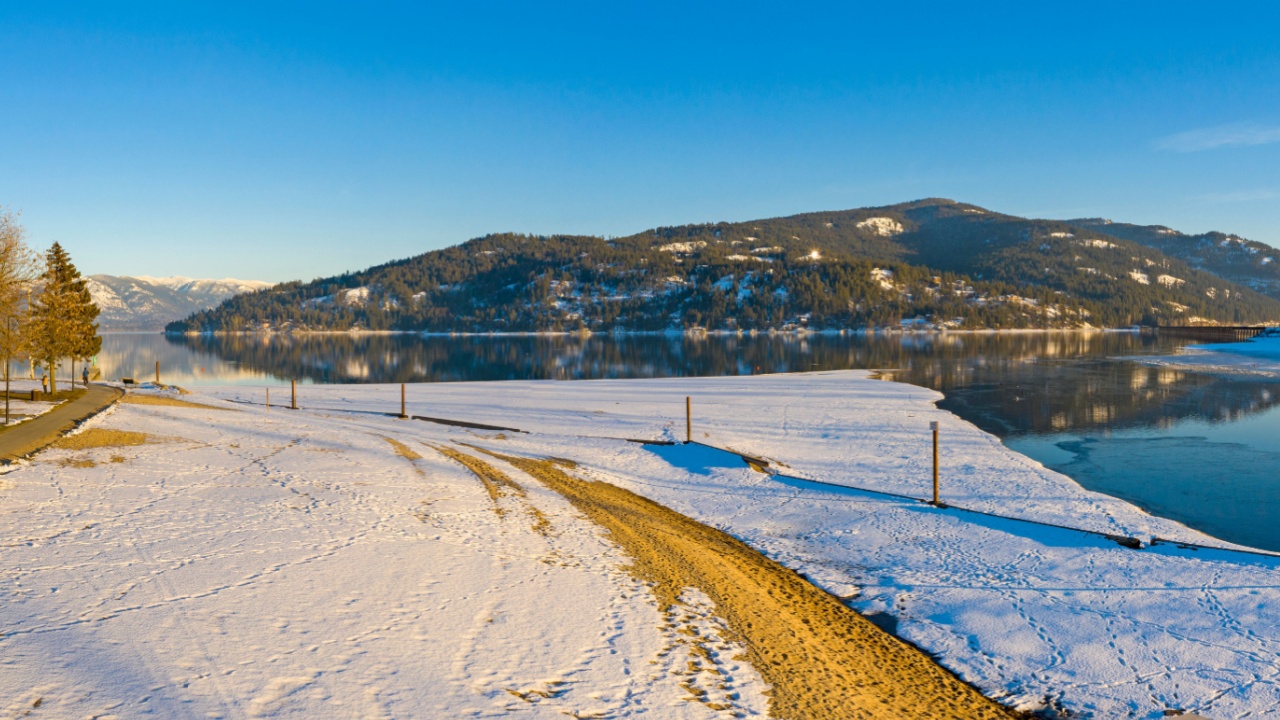
Ever stare into the endless blue of a lake and wonder—what’s really down there? Not to get all “lake-philosopher” on you, but think about it . Most of us skim the surface, splash around, and argue about who left the cooler on the shore, never giving a second thought to the mysterious expanse beneath our canoes and flamingo floaties . But what if I told you that some American lakes are so deep, so chillingly cavernous, that what lies at the bottom is anyone’s guess—unless you’re Nessie’s distant cousin looking for real estate? Sharing is caring, they say, and today I’m sharing a journey into the deep unknown—literally.
Hidden beneath mirror-still surfaces and ringed with sunny beaches we all Instagram, these lakes are a whole world in themselves . There’s a reason scientists, divers, and the odd lake monster hunter keep chasing their secrets! After all, the United States doesn’t just boast size—it’s got mystery in droves, tucked under crystal water, glacial silt, and frankly, who-knows-what else . So, as you scroll (and share, naturally), get ready to dip your toes into stories deeper than your average pool noodle adventure—because some mysteries don’t just stay at the bottom; they ripple their way right up to the surface .
Craving more hidden wonders, real monsters, and perhaps a reason to second-guess your next lakeside cannonball? LEARN MORE.
The United States is home to some truly massive bodies of water. While many are famous for their sunny shores and recreational opportunities, a select few hold secrets in their immense depths. These lakes are so profound that parts of their floors remain largely unexplored, fueling stories and scientific curiosity.
From volcanic craters to ancient glacial valleys, these underwater realms present unique challenges to exploration, leaving much to the imagination. Here are ten American lakes whose bottom is a mystery.
1. Crater Lake, Oregon

Image Credit: Deposit Photos.
Formed in the caldera of a collapsed volcano, Crater Lake is the deepest lake in the United States. Its stunningly blue water fills a basin left behind by the eruption of Mount Mazama thousands of years ago. The lake’s depth and clarity are legendary, but its bottom is a complex landscape of volcanic formations, hydrothermal vents, and sediment.
Submersibles have explored parts of the floor, revealing a world shaped by ancient geology, but the full extent of its underwater features is still being mapped. The lake is fed almost entirely by rain and snow, contributing to its remarkable purity.
2. Lake Tahoe, California–Nevada

Image Credit: Deposit Photos.
Straddling the border of California and Nevada, Lake Tahoe is the second deepest lake in the U.S. and one of the largest alpine lakes in North America. Its clarity is famous, allowing visibility to significant depths. The lake’s basin was formed by geologic faulting, creating a massive trench between mountain ranges.
Below the surface, the terrain drops off steeply. Sonar mapping has provided a picture of the lakebed, but its sheer size and depth mean that detailed exploration is an ongoing process. Legends of submerged railroad tracks and even a sea monster named Tessie add to its mystique.
3. The Lost Sea, Tennessee

Image Credit: Oydman (talk) – self-made – CC BY-SA 3.0/Wiki Commons.
This one is a bit different. The Lost Sea is not a surface lake but America’s largest underground lake, located within a vast cave system called Craighead Caverns. What visitors see on a guided tour is only a fraction of the total body of water. The explored area is impressive, but the lake extends into a series of water-filled passages that are so tight and complex that their full dimensions are unknown.
Divers have attempted to map these submerged tunnels, but the challenging conditions have prevented a complete survey. This has left the true size of the Lost Sea a genuine mystery.
4. Lake Chelan, Washington

Image Credit: Shutterstock.
Carving a path through the Cascade Mountains, Lake Chelan is a long, narrow, and incredibly deep body of water. This “finger lake” occupies a glacial trough that was scoured out by ice sheets during the last ice age. Its bottom reaches a point more than 380 feet below sea level, making it one of the deepest gorges in the country.
The lake’s fjord-like shape means its depths are not easily accessible. While the general topography is understood, the extreme pressures and cold temperatures at the bottom make comprehensive biological and geological surveys difficult.
5. Lake Superior

Image Credit: Deposit Photos.
As the largest freshwater lake in the world by surface area, Lake Superior’s size is difficult to comprehend. It is also the deepest of the Great Lakes. Its floor is a varied landscape of underwater cliffs, canyons, and vast plains, not to mention hundreds of shipwrecks preserved in its cold, dark water.
While modern bathymetric technology has allowed scientists to create detailed maps of the lakebed, its immense area means that there are still regions that have not been closely studied. The conditions at the bottom are extreme, creating a stable environment where things change very slowly.

1MORE Triple Driver In-Ear Headphones - Silver - Wired - Adult - In Ear - 18 grams - 90 days limited warranty
(as of September 28, 2026 00:51 GMT +00:00 - More infoProduct prices and availability are accurate as of the date/time indicated and are subject to change. Any price and availability information displayed on [relevant Amazon Site(s), as applicable] at the time of purchase will apply to the purchase of this product.)
Kinsa Smart,Fever, Digital Medical Baby, Kid and Adult Termometro - Accurate, Fast, FDA Cleared Thermometer for Oral, Armpit or Rectal Temperature Reading - QuickCare
$29.00 (as of September 28, 2026 00:51 GMT +00:00 - More infoProduct prices and availability are accurate as of the date/time indicated and are subject to change. Any price and availability information displayed on [relevant Amazon Site(s), as applicable] at the time of purchase will apply to the purchase of this product.)
Supa Ant Fire Blanket -Certified 1200F Extra Thick, Glow in The Dark | Glow in The Dark Emergency Supplies 500gsm, 0.5mm Thick Wearable Fire Blankets for Home. Emergency Blanket with Cape & Hood
$83.99 (as of September 28, 2026 00:51 GMT +00:00 - More infoProduct prices and availability are accurate as of the date/time indicated and are subject to change. Any price and availability information displayed on [relevant Amazon Site(s), as applicable] at the time of purchase will apply to the purchase of this product.)
KiddyCare Diaper Caddy Organizer Cart for Nursery Baby Basket Gift for Boy/Girl | Diaper Caddy for Changing Table Basket Organizer with Dividers | Caddy for Baby Stuff Breast Pump Caddy - Regular
$9.95 (as of September 28, 2026 00:51 GMT +00:00 - More infoProduct prices and availability are accurate as of the date/time indicated and are subject to change. Any price and availability information displayed on [relevant Amazon Site(s), as applicable] at the time of purchase will apply to the purchase of this product.)