Meet the Power Players: 8 Ancient Roman Women Who Secretly Shaped an Empire
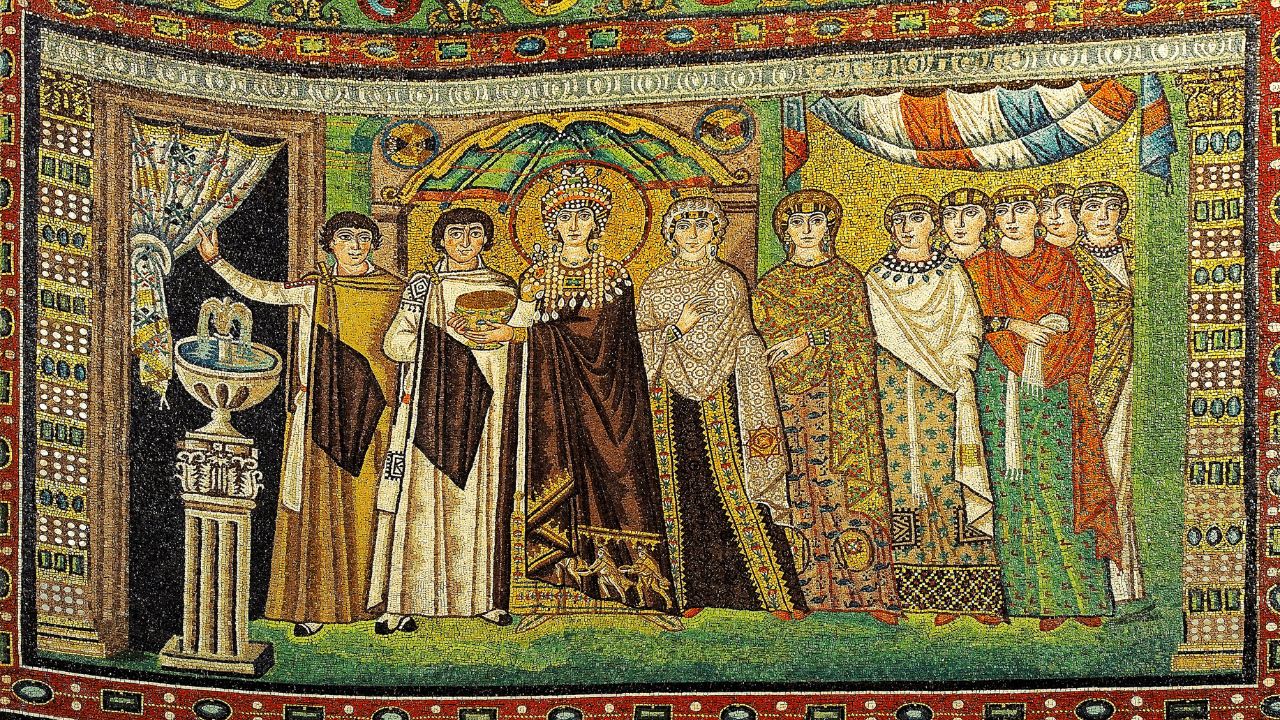
Is it really “sharing is caring” if you’re not spilling the kind of tea that could topple an empire? Picture this: while stiff-toga’d dudes strutted about Rome flexing on coins, it was a dazzling cast of women pulling the real strings behind the curtain—think less “men in sandals,” more “bosses in shadow.” Makes you wonder, doesn’t it? How many of humanity’s greatest “man-made” decisions were quietly masterminded over a goblet of wine or a juicy rumor passed between the folds of a stola?
I’ve always found it hilarious—if not a bit tragic—that we treat Roman history like a men’s only wrestling league, when in truth, half the heavy hitters didn’t even get an official spot on the roster . These powerhouse women were politicking, scheming, and running the show while society politely pretended they weren’t there . Who needs a Senate seat when you can run the empire from the chaise lounge, right?
So buckle up . We’re about to shimmy past the marble columns and cannonball into stories that Rome itself tried to keep under wraps . Trust me, these eight women didn’t just influence history—they dropkicked it off course . If you thought Rome was built in a day, wait till you meet the ladies who practically rebuilt it overnight . LEARN MORE
Roman history often brings to mind a parade of emperors, senators, and generals, all men shaping the destiny of an empire. But behind the togas and titles, a group of determined women was influencing policy, managing successions, and sometimes, running the whole show. They operated in a world built by men, for men, yet they found ways to steer the course of history.
These women were not just wives and mothers; they were strategists, regents, and power brokers who left an indelible mark on the Roman world. Here are eight women in ancient Rome who had quite a hefty political weight.
1. Livia Drusilla

Image Credit: Unknown artist – English Wikipedia, original upload 4 June 2004 by ChrisO – CC BY-SA 3.0/Wiki Commons.
As the wife of Emperor Augustus for over five decades, Livia Drusilla was the definition of a political partner. She presented the image of a perfect Roman matron, dedicated and modest, but her influence ran deep within the imperial court. Augustus frequently sought her counsel on matters of state, and her patronage was a powerful tool for advancing her allies and family.
Historical accounts are filled with whispers that she may have had a hand in clearing the path for her son, Tiberius, to succeed Augustus by removing other potential heirs from the picture. Be they rumors or fact, her efforts paid off. The Julio-Claudian dynasty that followed was her direct legacy. Even after Augustus’s death, she remained a formidable presence, continuing to guide state affairs during Tiberius’s reign. She was eventually deified as The Divine Augusta, a testament to her lasting impact.
2. Agrippina the Younger

Image Credit: Anonymous (Rome) – Own work – CC0/Wiki Commons.
Agrippina the Younger, great-granddaughter of Livia, certainly inherited her ancestor’s ambition. Her political maneuvering was bold and direct. After marrying her uncle, Emperor Claudius, she successfully lobbied for him to adopt her son, Nero. Claudius already had an heir, his son, Britannicus, but Agrippina was relentless in promoting Nero.
When Claudius died under suspicious circumstances, it was Nero, not Britannicus, who ascended to the throne, thanks to his mother’s machinations. For the initial years of Nero’s reign, Agrippina was the true force behind the throne, guiding his decisions and managing the empire. However, as Nero grew older, he began to resent her control. Their relationship soured dramatically, and he ultimately ordered her assassination.
3. Julia Domna

Image Credit: Daderot – Public Domain/Wiki Commons.
Julia Domna was the wife of Emperor Septimius Severus, who came to power after a chaotic period known as the Year of the Five Emperors. She was far more than an empress; she was a partner in consolidating his rule. Julia traveled with her husband on military campaigns, earning the honorary title Mater Castrorum, or “Mother of the Camp.”
Her image appeared on coins, a clear sign of her public status. After her husband’s death, she found herself in the difficult position of mediating between her two sons, Caracalla and Geta, who were meant to rule jointly but despised each other. The partnership ended when Caracalla had Geta murdered. Though their relationship was strained, she continued to advise Caracalla until he was assassinated, after which she took her own life.
4. Julia Soaemias

Image Credit: Dosseman – Own work – CC BY-SA 4.0/Wiki Commons.
Julia Soaemias, the niece of Julia Domna, was at the center of a plot to restore her family to power. After the death of Caracalla, the praetorian prefect Macrinus became emperor. From their home in Syria, Julia Soaemias orchestrated a rebellion. She and her mother used their wealth and influence to champion Soaemias’s young son, Elagabalus, as the rightful emperor.

RIVER OF GOODS Coastal 52 Inch Wooden Bead LED Ceiling Fan, Cream
(as of September 28, 2026 00:51 GMT +00:00 - More infoProduct prices and availability are accurate as of the date/time indicated and are subject to change. Any price and availability information displayed on [relevant Amazon Site(s), as applicable] at the time of purchase will apply to the purchase of this product.)
RIVER OF GOODS Stained Glass Magna Carta LED Ceiling Fan - 52" L x 52" W - Tiffany Style - Flush Mount Ceiling Fan with Remote - Teal
(as of September 28, 2026 00:51 GMT +00:00 - More infoProduct prices and availability are accurate as of the date/time indicated and are subject to change. Any price and availability information displayed on [relevant Amazon Site(s), as applicable] at the time of purchase will apply to the purchase of this product.)
KiddyCare Diaper Caddy Organizer Cart for Nursery Baby Basket Gift for Boy/Girl | Diaper Caddy for Changing Table Basket Organizer with Dividers | Caddy for Baby Stuff Breast Pump Caddy - Regular
$9.95 (as of September 28, 2026 00:51 GMT +00:00 - More infoProduct prices and availability are accurate as of the date/time indicated and are subject to change. Any price and availability information displayed on [relevant Amazon Site(s), as applicable] at the time of purchase will apply to the purchase of this product.)
Rhythm Superfoods Kale Chips, Zesty Nacho, Organic and Non-GMO, 2.0 Oz (Pack of 4), Vegan/Gluten-Free Superfood Snacks
(as of September 28, 2026 00:51 GMT +00:00 - More infoProduct prices and availability are accurate as of the date/time indicated and are subject to change. Any price and availability information displayed on [relevant Amazon Site(s), as applicable] at the time of purchase will apply to the purchase of this product.)