NASA Unveils Alarming Discovery: Thousands of Invisible ‘City Killer’ Asteroids Headed Our Way—Are We Prepared?
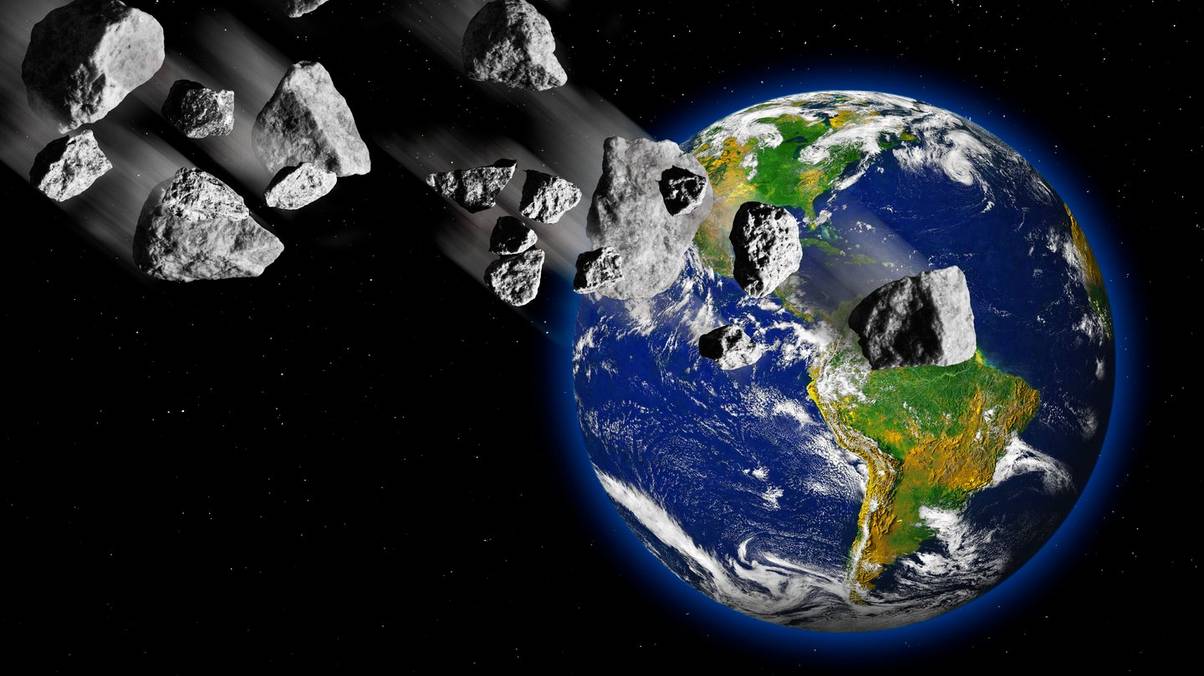
So NASA just dropped a truth bomb that has me staring at the sky a little differently—turns out, we have NO clue where about 15,000 massive space rocks, affectionately nicknamed ‘city killers,’ are lurking out there. These aren’t your run-of-the-mill pebbles; these bad boys are at least 140 meters wide, and if one crashes into a populated area? Well, let’s just say it could mess up your day (or your region) big time. Dr. Kelly Fast, who’s basically the head detective for tracking near-Earth objects, confessed that it’s these medium-sized asteroids—not the giant Hollywood-style end-of-the-world ones—that keep her up at night. It’s like trying to find a needle in a cosmic haystack with only 40% of the search done, and with our telescopes working overtime, progress feels slow. And if you thought we had a super-hero asteroid-bashing rocket ready on standby after that 2022 Dart mission, think again. Planet Earth is kind of winging it here. So, next time you wish on a star, maybe check if it’s not actually one of these lurking city killers first.
NASA has made an alarming admission, revealing it has no idea where thousands of ginormous asteroids are currently located.
The space rocks have terrifyingly been dubbed ‘city killers’ due to their vast size, which is believed to be at least 140 metres in diameters.
There is said to be around 15,000 of these mid-sized asteroids floating around in space currently unaccounted for, according to the space agency’s head of planetary defence.
Dr Kelly Fast is in charge of attempts to track any objects, like asteroids and comets, that are likely to come close to Earth, and admitted that one of these ‘city killers’ were to hit a populated area of Earth, it could ‘really cause regional damage.’
She made the confession at the American Association for the Advancement of Science annual conference in Phoenix, where she told attendees it is the medium sized asteroids that worry her the most.
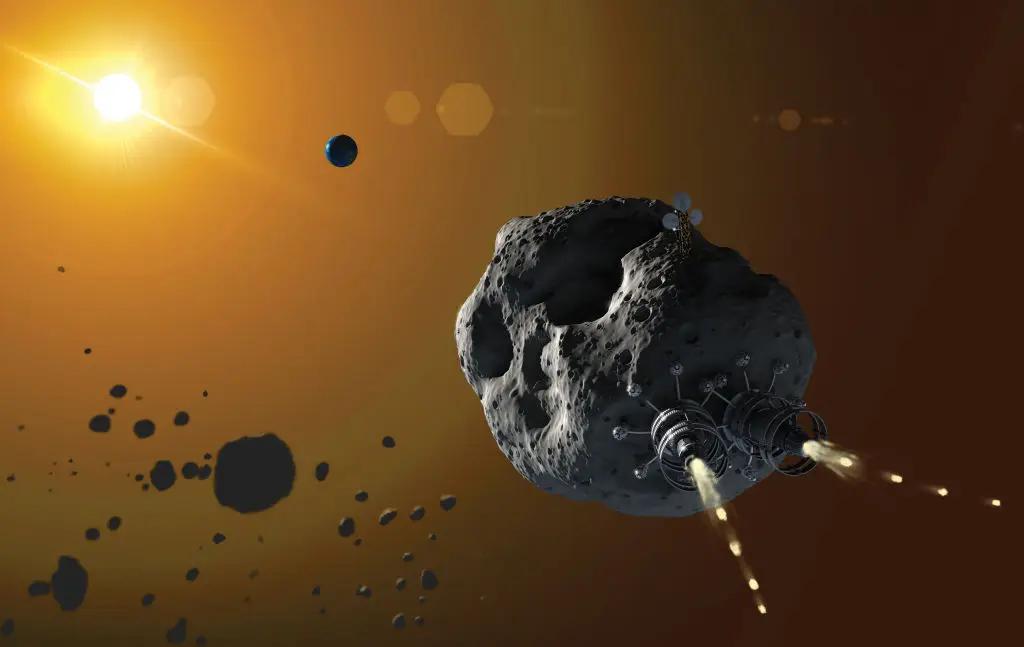
Around 15,000 ‘city killer’ asteroids are unaccounted for (Adrian Mann/Future Publishing via Getty Images)
“What keeps me up at night is the asteroids we don’t know about. Small stuff is hitting us all the time so we’re not so much worried about that,” she said.
“And we’re not so worried about the large ones from the movies because we know where they are. It’s the ones in between, about 140 metres and larger, that could really do regional rather than global damage and we don’t know where they are.”
Dr Fast added: “It’s estimated there are about 25,000 of those and we’re only about 40 per cent of the way through. It takes time to find them, even with the best telescopes.”
According to Dr Nancy Chabot, a planetary scientist at John Hopkins University, if the worst case scenario did happen, and one of the city killers did plummet into Earth, our planet would essentially have no way of defending itself.
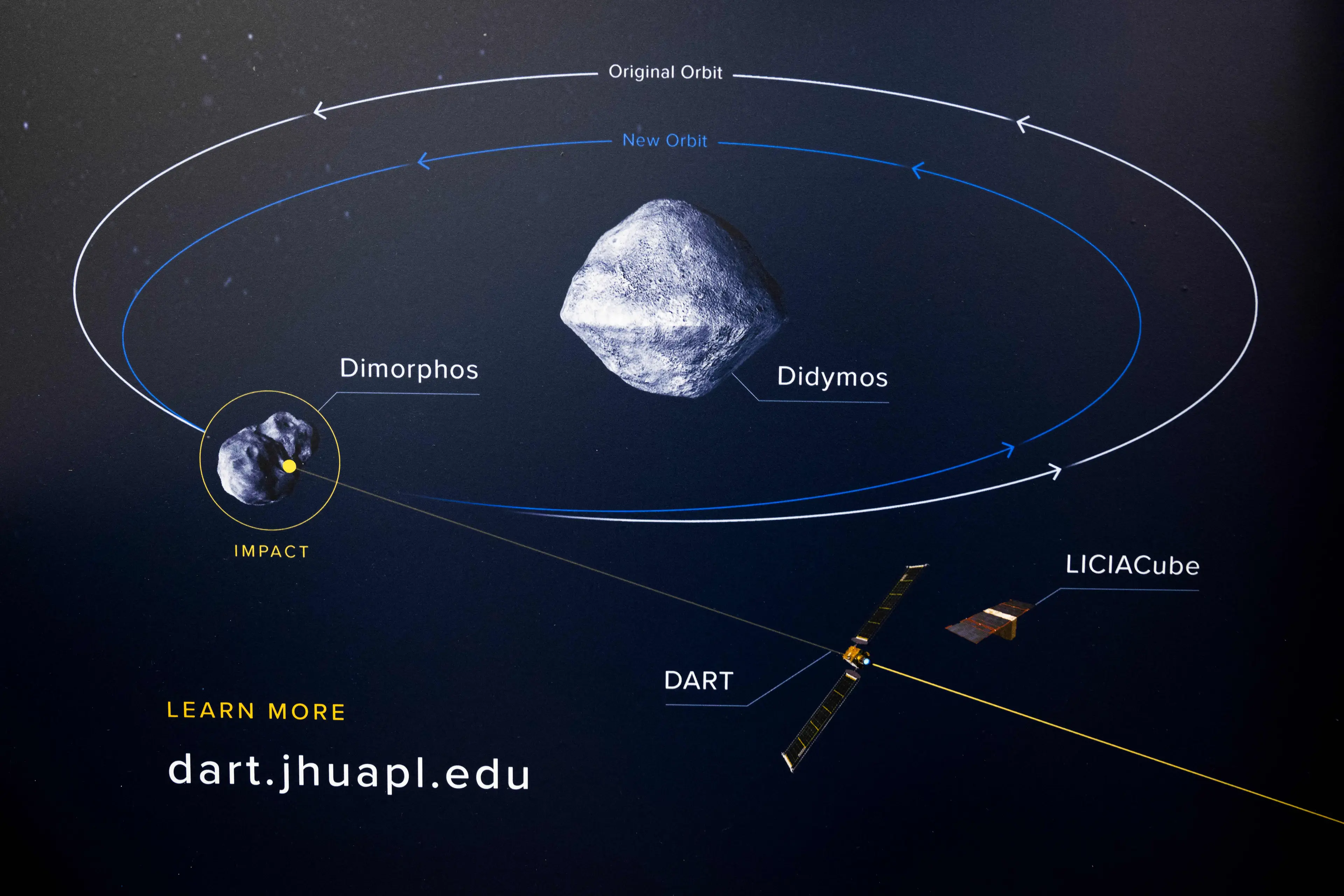
Dr Chabot led the Dart mission in 2022 (JIM WATSON/AFP via Getty Images)
Back in 2022, Dr Chabot led a mission called Dart, which proved that in an emergency, we could use a rocket to bash an asteroid off course, however the expert has admitted we would not be prepared to do it again if disaster were to strike.
“We worry about these city killer asteroids. Dart was a great demonstration, but we don’t have [another] sitting around ready to go if there was a threat that we needed to use it for,” Dr Chabot said.
“If something like YR4 had been headed towards the Earth, we would not have any way to go and deflect it actively right now. We could be prepared for this threat. And I don’t see that investment being made.”
PROMIXX FORM Protein Shaker Bottle - A Premium Shaker Bottle for Protein Shakes Infusions and Hydration - Durable Gym Shaker Bottle, Leakproof Lid, Odorless - 26oz (Graphite Gray)
$12.99 (as of October 24, 2026 01:02 GMT +00:00 - More infoProduct prices and availability are accurate as of the date/time indicated and are subject to change. Any price and availability information displayed on [relevant Amazon Site(s), as applicable] at the time of purchase will apply to the purchase of this product.)
RIVER OF GOODS Alabaster LED Mesh Caged Ceiling Fan - 52" L X 52" W - White/Oak Wood-Grain Blades
(as of October 24, 2026 01:02 GMT +00:00 - More infoProduct prices and availability are accurate as of the date/time indicated and are subject to change. Any price and availability information displayed on [relevant Amazon Site(s), as applicable] at the time of purchase will apply to the purchase of this product.)
KiddyCare Diaper Caddy Organizer Cart for Nursery Baby Basket Gift for Boy/Girl | Diaper Caddy for Changing Table Basket Organizer with Dividers | Caddy for Baby Stuff Breast Pump Caddy - Regular
$9.99 (as of October 24, 2026 01:02 GMT +00:00 - More infoProduct prices and availability are accurate as of the date/time indicated and are subject to change. Any price and availability information displayed on [relevant Amazon Site(s), as applicable] at the time of purchase will apply to the purchase of this product.)
Kinsa Smart,Fever, Digital Medical Baby, Kid and Adult Termometro - Accurate, Fast, FDA Cleared Thermometer for Oral, Armpit or Rectal Temperature Reading - QuickCare
$18.94 (as of October 24, 2026 01:02 GMT +00:00 - More infoProduct prices and availability are accurate as of the date/time indicated and are subject to change. Any price and availability information displayed on [relevant Amazon Site(s), as applicable] at the time of purchase will apply to the purchase of this product.)