What Happened When a Man Stopped Masturbating for a Year? Simulation Reveals Shocking Fate of Unreleased Sperm

Ever wondered what happens if you decide to put your “No Nut November” game on steroids and go an entire year without masturbating? Yep, a brave soul actually did it — no turkey jerking, no secret handshakes, nada — for 365 days straight. Now, aside from probably developing a newfound appreciation for self-control (or sheer stubbornness), this guy experienced some pretty wild biological and mental shifts. Sure, the mind might run wild with thoughts of extra focus and clarity, but what about the actual nuts… I mean, sperm? Do they throw a party in your epididymis or quietly get recycled like they’re starring in some biological magic show? And just how does abstaining affect your risk for things like prostate cancer? Buckle up, because what you think you know about the effects of not ejaculating might just get flipped on its head — or at least given a very awkward glance.
A man who went 365 days without masturbating would also have experienced the biological effects of not ejaculating for an extended period of time.
While you may think that doing a ‘No Nut November’-style challenge could bring about a number of positive mental health benefits, it will undoubtedly have an impact on your body itself.
But what happens, exactly?
While experts have weighed in on the positive and negative effects of putting an end to masturbating altogether, many have advised that the act can actually be beneficial.
Some have tried to stop the habit over a prolonged period of time, but a YouTuber named Pierre Dalati claimed to have made it a whole year without jerking the turkey – and apparently experienced a ton of benefits.
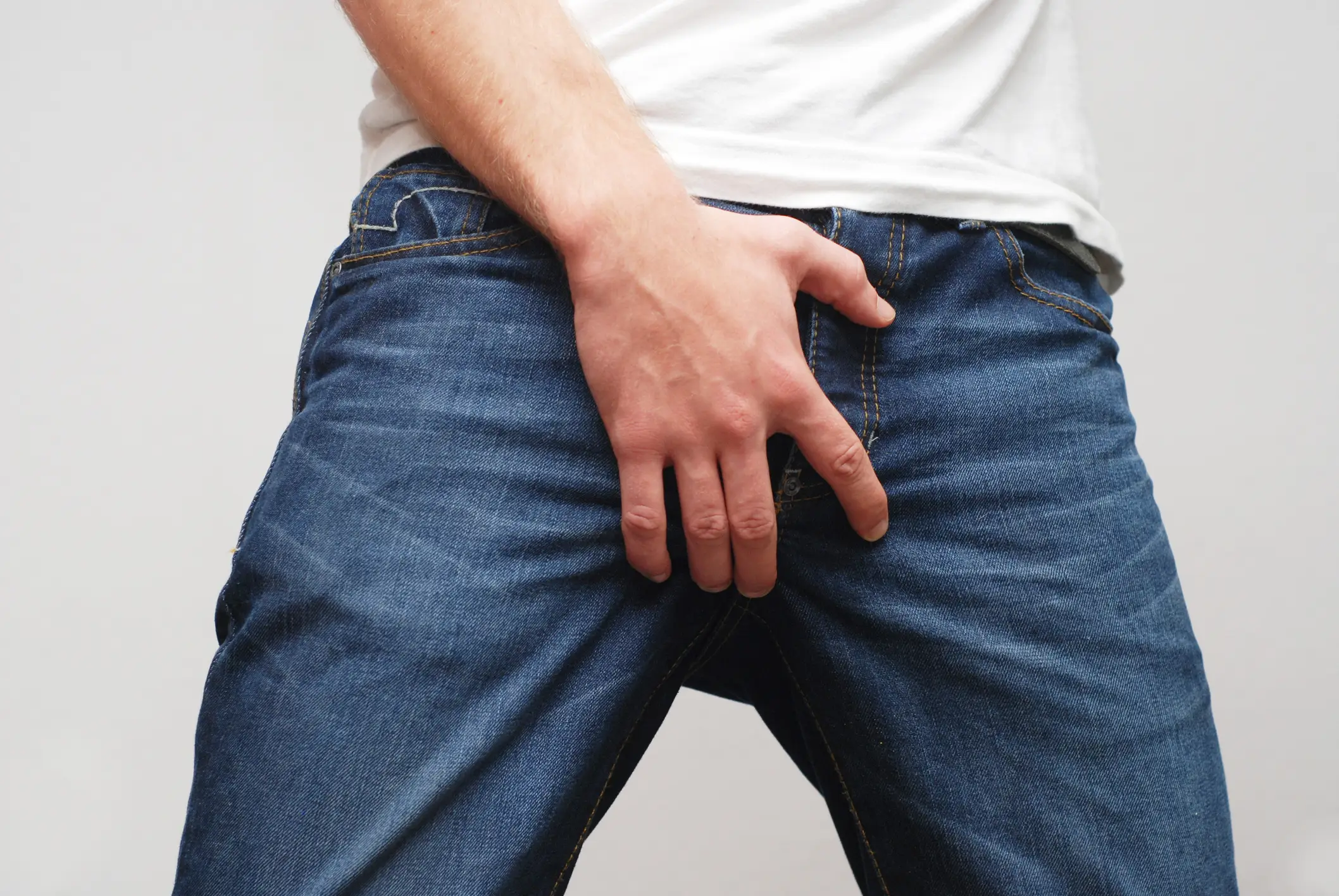
‘No Nut’ challenges seems to be more popular than ever before (Getty Stock Images)
He said that while ‘fapping’ itself wasn’t ‘bad’, it was carrying the act out while watching porn which could end up being mentally taxing.
Pierre went on: “I did notice a benefit of increased focus.
“So instead of constantly being distracted and having it [porn/masturbating] on my mind, I was able to put my full attention and energy into whether I was doing work… whether I was working out in a gym, whatever I was doing in the moment, my focus was enhanced.”
The content creator also got a ‘confidence boost’ in living how he wanted to be instead of looking for ‘extreme dopamine rushes every single day’, despite a rough first couple of weeks.
Pierre said he ‘felt so much more like myself’ while also experiencing an ‘increased mental clarity’, in addition to a spike in energy and productivity.
However, from a more scientific point of view, the YouTuber would have experienced the effects of not releasing sperm.
What happens to sperm inside the body if not ejaculated?
Sperm can stay alive for different amounts of time depending on the environment, with a simulation from Dr Smurf on YouTube claiming to show how the process works.
It takes 64 days for individual sperm to develop in the testes, after which they move to a coiled tube called the epididymis where they continue to mature.
Then the sperm is either released during ejaculation, or they’re broken down by the lining of the epididymis.
From here, as the Cleveland Clinic explains, the protein and nutrients from dead sperm get reabsorbed and repurposed to build other cells in the body, such as new sperm cells.
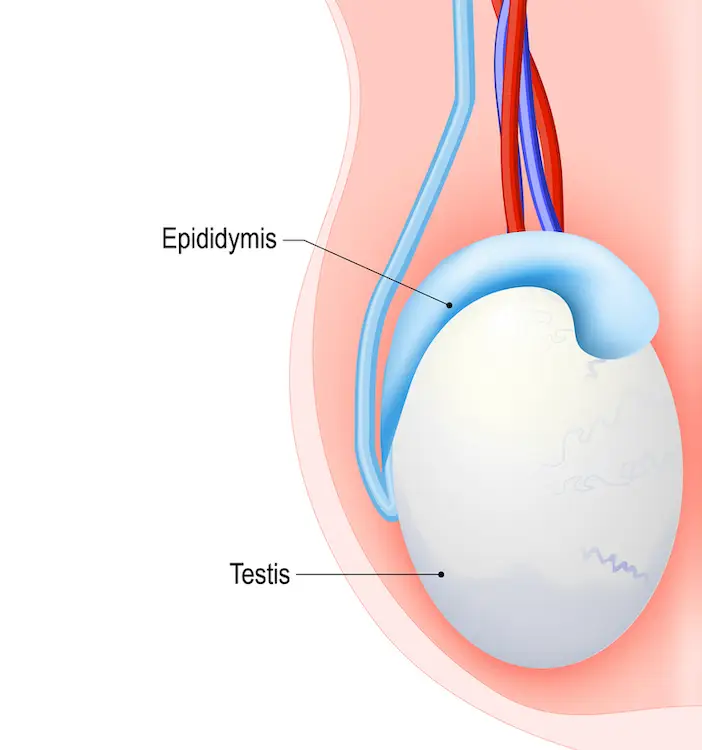
The epididymis is attached to each of the testicles (Getty Stock Images)
The recycling system is one of the many biological wonders of the human body, especially since semen and sperm contain structural components such as enzymes, zinc, and fructose.
If it isn’t reabsorbed though, sperm can be released through a nocturnal emission or wet dream, say the experts at Medical News Today.
Are there any risks?
According to Heathline, there aren’t any serious health risks linked to not releasing sperm through ejaculation, though there has been research into the link between not ejaculating and an increased risk of prostate cancer.

Those who have gone long periods of time without masturbating have shared the positives they’ve noticed (Getty Stock Images)
A Harvard study found that men who ejaculated most each month had a 31 percent lower chance of being diagnosed with prostate cancer.
‘Comprehensive health and lifestyle data’ was collected from nearly 30,000 men, finding that those who ejaculated 21 times or more in a calendar month had a lower risk compared to men who only did it four to seven times a month.
These aspects weren’t analysed too much by Pierre, who admitted that he didn’t measure his testosterone levels.
However, he noted: “It gives you a new perspective on a day-to-day basis and with the benefits of increased energy, mental clarity, increased productivity, you’ll find that you’re actually doing a lot more in your day.”
RIVER OF GOODS Coastal 52 Inch Wooden Bead LED Ceiling Fan, Cream
(as of September 20, 2026 00:45 GMT +00:00 - More infoProduct prices and availability are accurate as of the date/time indicated and are subject to change. Any price and availability information displayed on [relevant Amazon Site(s), as applicable] at the time of purchase will apply to the purchase of this product.)
RIVER OF GOODS LED Boho Ceiling Fan with Hand Woven Brown/Natural Rope - Macrame Knot Work and Hemp Rope Style Eclectic Cottage Decor - 52" L x 52" W - Rich Barnwood/Light Driftwood Fan Blades
(as of September 20, 2026 00:45 GMT +00:00 - More infoProduct prices and availability are accurate as of the date/time indicated and are subject to change. Any price and availability information displayed on [relevant Amazon Site(s), as applicable] at the time of purchase will apply to the purchase of this product.)
1MORE Triple Driver in-Ear Earphones Hi-Res Headphones with High Resolution, Bass Driven Sound, MEMS Mic, in-Line Remote, High Fidelity for Smartphones/PC/Tablet - Silver
$69.99 (as of September 20, 2026 00:45 GMT +00:00 - More infoProduct prices and availability are accurate as of the date/time indicated and are subject to change. Any price and availability information displayed on [relevant Amazon Site(s), as applicable] at the time of purchase will apply to the purchase of this product.)
RIVER OF GOODS Stained Glass Bird Accent Lamp - 8" W x 13.5" H - Tiffany Style Table Lamps for Home, Office Desk, Bedroom, Nightstand - Blue Jay Decor
(as of September 20, 2026 00:45 GMT +00:00 - More infoProduct prices and availability are accurate as of the date/time indicated and are subject to change. Any price and availability information displayed on [relevant Amazon Site(s), as applicable] at the time of purchase will apply to the purchase of this product.)