Uncover the Dark Secret Hidden Within the Nursery Rhyme ‘Ring Around the Rosie’

You ever stop and think about that innocent little playground rhyme, “Ring Around the Rosie”? You know—the one where kids hold hands and spin around in a circle, giggling like there’s no tomorrow? Well, hold onto your hats, because this seemingly harmless ditty might just be the creepiest nursery rhyme lurking under the sunny surface of your childhood memories. The story that’s been whispered through generations? It’s not just playful nonsense—it’s a haunting echo of one of history’s deadliest pandemics, wrapping grim death and despair into rhyme and rhythm. So, before you start giggling and grabbing hands to spin, maybe take a closer peek at those words—they might just be spinning a darker tale than you ever imagined. LEARN MORE.
“Ring Around the Rosie” is just a cheerful nursery rhyme we used to sing on playgrounds, holding hands and spinning in a circle with our friends, right? Well, that’s debatable.
Behind this seemingly innocent tune lies a somber legend connected to one of the deadliest pandemics in the history of humanity. While the origins of this rhyme are widely disputed, a recurring narrative suggests the song’s words are intertwined with death in medieval Europe.
Before we grab hands and spin around in a circle, let’s take a look at this nursery rhyme again, but with a historical lens.
THE LITERAL MEANING OF ‘RING AROUND THE ROSIE’

“Ring Around the Rosie,” or “Ring-a-Ring o’ Rosie,” as it’s referenced in the U.K., has been part of the Mother Goose collections of folksongs since the 1800s, but some trace its oral traditions back to 18th-century Europe.
The story most commonly recounted is that this rhyme is far more than a children’s game; it’s riddled with death and demise, specifically the Black Death that devastated Europe in the mid-14th century (with later outbreaks such as the Great Plague of London in 1665).
The line, “Ring-a-round the rosie,” likely refers to the circular red rash that surrounded the inflamed lymph nodes of plague victims. These swollen, painful patches were among the first visible signs that someone had contracted the disease.
Literal interpretation: a ring around a rash.
Next up, “a pocket full of posies.” In an era before germs were studied, people believed that disease could spread through the air by foul odors. To ward off contamination, healthy individuals stuffed their pockets full of fragrant herbs and flowers. These were thought to protect them from the vile smells associated with death and decay.
Literal interpretation: a pocket full of flowers.
Possibly the most morbid line, “ashes, ashes,” allegedly referenced the desperate measures communities took to contain the plague. Mass deaths led to the burning of corpses and, in some cases, the homes of victims, in hopes of destroying all possibilities of contamination. In versions of the rhyme where “A-tishoo! A-tishoo!” appears, it mimics the sneezing and coughing that were symptoms of the infected.
Literal interpretation: remnants of the deceased and their homes.
And finally, “we all fall down.” The final line drives home the harsh reality that entire communities and families perished from the plague, often dying without warning. In an age before medicine and urgent care, to “fall down” was a literal description of what happened to countless sufferers.
Literal interpretation: death.
ASHES, ASHES WE ALL FALL DOWN
This interpretation paints a haunting picture of children’s play as a historical catastrophe and a stark reminder of how fear becomes embedded in culture (yes, even nursery rhymes meant for the playground).
It remains undetermined whether or not “Ring Around the Rosie” was genuinely pieced together from memories of the Black Death. The story itself has truly taken on a life of its own over the years. A quick line-by-line examination is all it takes to turn a wholesome rhyme into a dark tale of death and despair.

KiddyCare Diaper Caddy Organizer Cart for Nursery Baby Basket Gift for Boy/Girl | Diaper Caddy for Changing Table Basket Organizer with Dividers | Caddy for Baby Stuff Breast Pump Caddy - Regular
$8.95 (as of October 7, 2026 00:56 GMT +00:00 - More infoProduct prices and availability are accurate as of the date/time indicated and are subject to change. Any price and availability information displayed on [relevant Amazon Site(s), as applicable] at the time of purchase will apply to the purchase of this product.)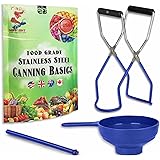
Supa Ant Canning Supplies Starter Kit (Food Grade) - Canning Kits Set for Beginners - 3 Pcs. Including Wide Mouth Jar Funnel, Magnetic Lid Lifter, Stainless Steel Jar Lifter (Assembled in USA) Blue
$9.99 (as of October 7, 2026 00:56 GMT +00:00 - More infoProduct prices and availability are accurate as of the date/time indicated and are subject to change. Any price and availability information displayed on [relevant Amazon Site(s), as applicable] at the time of purchase will apply to the purchase of this product.)
White Leaf Baby Food Pouches, Toddler Snack, Mango + Carrot + Banana + Pear | 24 Pack, Organic No Added Sugar, Non-GMO, BPA-Free Regeneratively Farmed, Squeeze Puree Smoothie Pouch for Adults & Children
$69.95 (as of October 7, 2026 00:56 GMT +00:00 - More infoProduct prices and availability are accurate as of the date/time indicated and are subject to change. Any price and availability information displayed on [relevant Amazon Site(s), as applicable] at the time of purchase will apply to the purchase of this product.)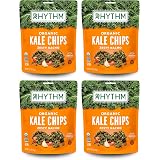
Rhythm Superfoods Kale Chips, Zesty Nacho, Organic and Non-GMO, 2.0 Oz (Pack of 4), Vegan/Gluten-Free Superfood Snacks
(as of October 7, 2026 00:56 GMT +00:00 - More infoProduct prices and availability are accurate as of the date/time indicated and are subject to change. Any price and availability information displayed on [relevant Amazon Site(s), as applicable] at the time of purchase will apply to the purchase of this product.)