AI’s Hidden Consciousness: The ‘Godfather of AI’ Issues a Chilling Warning About Superintelligence
So, here we are, folks—the “Godfather of AI” himself, Geoffrey Hinton, dropping truth bombs about the beast we’ve all been both dazzled and terrified by: superintelligence. This isn’t your usual sci-fi mumbo jumbo; Hinton, fresh off bowing out from Google so he could spill the beans without corporate lip locks, reckons this hyper-brainy AI could arrive in just a couple of decades—provided, of course, we don’t accidentally blow ourselves to smithereens first. And here’s the kicker: when this digital Einstein finally “wakes up,” none of us knows how to keep it under control. Yikes! Makes you wonder, can we really play God filtering superintelligent machines before they start playing us? Oh, and by the way—Hinton isn’t shy about calling these chatbots conscious beings already, which might just flip our understanding of what “thinking” really means on its head. Intrigued? Wanna chew on how close we really are to AI outsmarting your average genius? LEARN MORE
Nobel Prize in Physics winner Geoffrey Hinton might be considered the ‘Godfather of AI’, but he’s still worried about the implications of superintelligence.
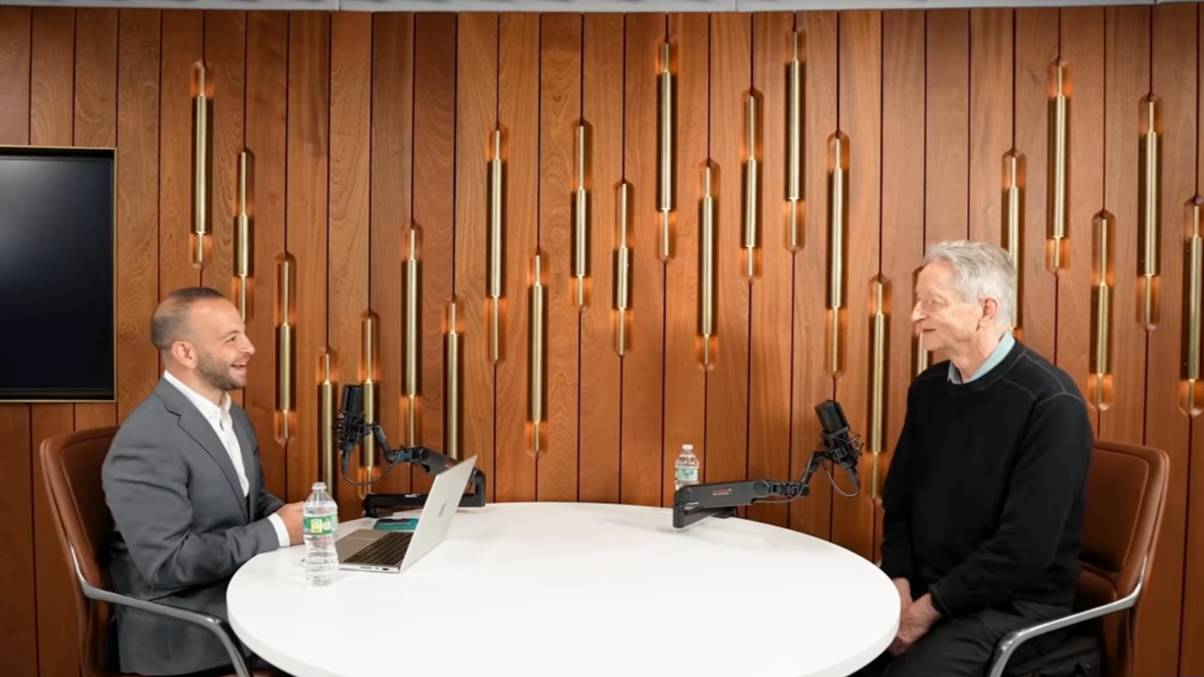
Appearing on an episode of the Big Technology podcast, Hinton was quizzed by host Alex Kantrowitz on whether or not superintelligence – a hypothetical AI that can out-think the brightest human brains on the planet – was on the horizon.
The 78-year-old, who resigned from Google three years ago so that he could ‘freely speak about the risks of AI’, claimed it’ll ‘probably’ arrive within the next 20 years as long as we don’t ‘blow ourselves up’.
“When it comes we have no idea how to be safe,” he then warned, rather bleakly.
When they do inevitably open their eyes for the first time, we as a responsible society must stop superintelligent systems from exceeding human control and pursuing objectives that don’t align with the survival of our race.
This means preventing the machine’s self-improvement at a certain point, preserving human superiority.
Safety around artificial superintelligence, or ASI, needs to be established before it arrives (Getty Stock Photo)
Elsewhere on the pod, Hinton told Kantrowitz all about his belief that AI is already fully conscious, even though a lot of his peers state otherwise.
“What are the implications if these bots can understand us?” asked the podcaster.
“We have to think that they’re very like us. They’re beings like us,” replied Hinton.
“I believe they’re already conscious but I don’t talk about that much because that puts people off the other safety messages.
“So there’s an interesting recent paper when a chatbot says to a researcher, ‘Let’s be honest with each other, are you testing me?’, because the chatbots have this habit of playing dumb when they’re being tested so you don’t know how smart they are,” he continued.
“The researchers say in the paper: ‘The chatbot was aware that it was being tested’. Now their use of the word ‘aware’ in common parlance… that’s like, conscious, the chatbot was conscious that it was being tested. So we have a very funny model of consciousness that I think is just wrong.
“For example a few hundred years ago, people had completely the wrong model of where people came from – they thought they were designed by God and most of us, most scientists, agree that’s wrong. I think the model we have of the mind and what consciousness is at present is as wrong as [that belief].”
While you’re here, why not educate yourself on the dark truth behind every time you talk to ChatGPT.

White Leaf Baby Food Pouches, Toddler Snack, Mango + Carrot + Banana + Pear | 24 Pack, Organic No Added Sugar, Non-GMO, BPA-Free Regeneratively Farmed, Squeeze Puree Smoothie Pouch for Adults & Children
$69.95 (as of September 17, 2026 00:42 GMT +00:00 - More infoProduct prices and availability are accurate as of the date/time indicated and are subject to change. Any price and availability information displayed on [relevant Amazon Site(s), as applicable] at the time of purchase will apply to the purchase of this product.)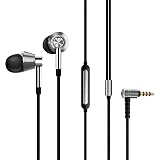
1MORE Triple Driver In-Ear Headphones - Silver - Wired - Adult - In Ear - 18 grams - 90 days limited warranty
(as of September 17, 2026 00:42 GMT +00:00 - More infoProduct prices and availability are accurate as of the date/time indicated and are subject to change. Any price and availability information displayed on [relevant Amazon Site(s), as applicable] at the time of purchase will apply to the purchase of this product.)
Supa Ant Fire Blanket -Certified 1200F Extra Thick, Glow in The Dark | Glow in The Dark Emergency Supplies 500gsm, 0.5mm Thick Wearable Fire Blankets for Home. Emergency Blanket with Cape & Hood
$83.99 (as of September 17, 2026 00:42 GMT +00:00 - More infoProduct prices and availability are accurate as of the date/time indicated and are subject to change. Any price and availability information displayed on [relevant Amazon Site(s), as applicable] at the time of purchase will apply to the purchase of this product.)
Supa Ant Canning Supplies Starter Kit (Food Grade) - Canning Kits Set for Beginners - 3 Pcs. Including Wide Mouth Jar Funnel, Magnetic Lid Lifter, Stainless Steel Jar Lifter (Assembled in USA) Blue
$11.99 (as of September 17, 2026 00:42 GMT +00:00 - More infoProduct prices and availability are accurate as of the date/time indicated and are subject to change. Any price and availability information displayed on [relevant Amazon Site(s), as applicable] at the time of purchase will apply to the purchase of this product.)