Christopher Nolan Finally Reveals Inception’s Ending Truth—But It’s Not What You Expect
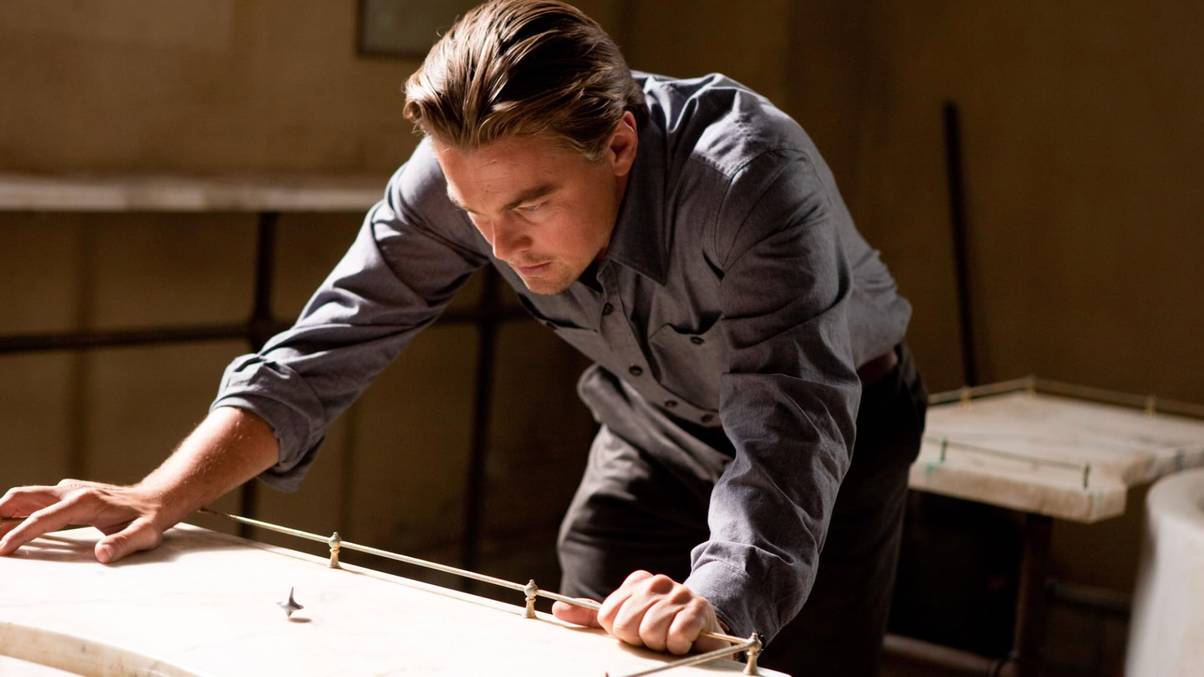
Sixteen years ago, Christopher Nolan brought us Inception and—if you’re anything like me—promptly scattered your sense of reality across multiple layers of dream logic. Here we are, nearly two decades later, still collectively squinting at spinning tops, debating whether Leonardo DiCaprio’s Cobb made it home for that happy ending, or if his entire jaunt was just another mind maze. Why does a sci-fi thriller about dream thieves still haunt the corners of our pop-culture consciousness? Maybe it’s because Nolan gave us not only shared dreams, but the ultimate shared question—does reality even matter when you’re happy, or are we all just spinning our own emotional totems? Either way, let’s tumble down the rabbit hole together one more time and finally put those restless Reddit threads to bed—or should I say, to dream? LEARN MORE
It’s been 16 years since Christopher Nolan dropped Inception, a mind-bending sci-fi thriller involving a group of thieves who infiltrate people’s dreams in order to plant false memories.
All sounds pretty straightforward, right? That is until Nolan introduces the concept of multi-layer dreams, which means the characters can wake up from one dream while still being in another. There’s also shared dreaming, allowing people to interact with each other while travelling through the unconscious.
It was this tiered sleep pyramid which created the film’s most heavily debated moment: is Leonardo DiCaprio‘s grieving conman Dom Cobb awake or dreaming at the end of the film?
In the closing moments of Inception, Cobb reunites with his family before using his spinning top for the final time.
Known as a ‘totem’ in the film, the spinning top serves a specific purpose: if it falls, you are in reality, but if it carries on spinning, then you are still dreaming.
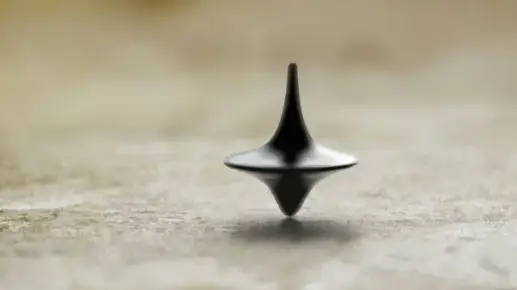
Is it a dream or is it reality? According to Nolan, the answer’s been there all along (Warner Bros. Pictures)
And it’s here, with the totem still spinning, that Nolan cuts the film to black.
Is Cobb dreaming at the end of Inception?
The ambiguity of the ending has left viewers baffled for over a decade and a half, with the topic regularly cropping up on Reddit threads and social media debates.
Several film buffs have analysed minute details in the scene to work out whether or not the spinning top is slowing down, while others have pored over other details in the scene and even asked AI to weigh in on the topic.
But according to the film’s director, the answer has been in front of us all along, we’ve just refused to acknowledge it.
Speaking about the ending during a commencement ceremony at Princeton University, Nolan said that, by the end of the film, it no longer mattered to Cobb whether or not he was dreaming.
“The way the end of that film worked, Leonardo DiCaprio’s character, Cobb – he was off with his kids, he was in his own subjective reality,” Nolan explained.
“He didn’t really care any more, and that makes a statement: perhaps, all levels of reality are valid.”
The ‘reality is subjective’ argument is a fairly popular one, with several viewers pointing out in one Reddit thread that Cobb’s decision to walk away from the still spinning totem proves that he doesn’t care about the outcome.
Not satisfied with a subjective interpretation of Inception’s closing scenes? Then don’t worry, as several clues are pointing to Cobb being in reality at the end of the film.
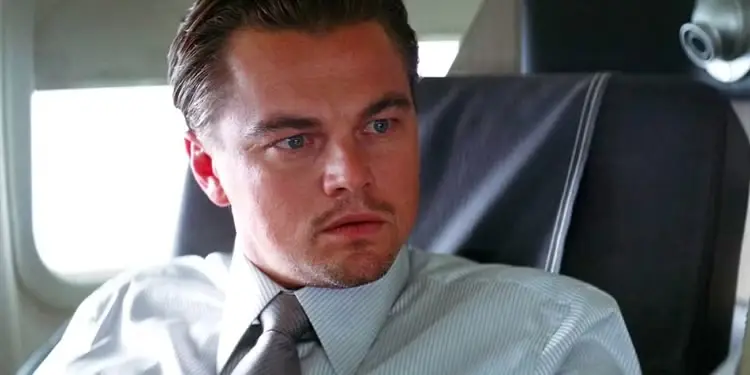
Am I finally awake? (Warner Bros. Pictures)
The Michael Caine of it all
During an interview with TIME, Caine revealed that Nolan indirectly gave away the film’s ending during a conversation about the script.
“I said to [Nolan], ‘I don’t understand where the dream is.’ I said, ‘When is it the dream and when is it reality?'” to which Nolan then responded by revealing that Caine’s character, Cobb’s father-in-law, only appears in non-dreaming scenes.
“He said, ‘Well, when you’re in the scene, it’s reality.’ So get that — if I’m in it, it’s reality. If I’m not in it, it’s a dream.”
At first, this doesn’t seem to be that significant a piece of information, until you remember that Caine’s character crops up in the final scene to pick Cobb up from the airport, suggesting that he is not dreaming after all.
Caine’s appearance in the finale isn’t the only moment which suggests Cobb is awake, as one eagle-eyed viewer pointed out that he only wears his wedding ring during dreams and not in the real world.
Following this logic, the absence of Cobb’s ring when he wakes up suggests he is awake.
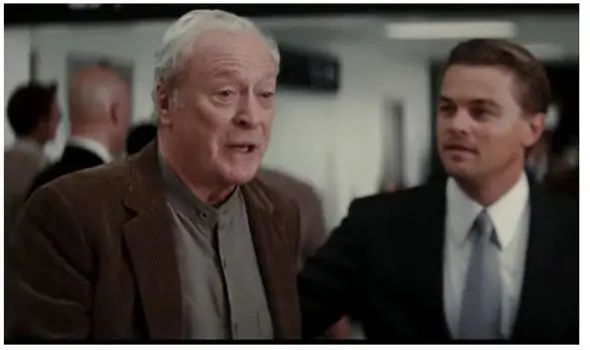
Michael Caine previously said he only appears in scenes which take place in reality, suggesting everyone is awake in the film’s ending (Warner Bros. Pictures)
Still not convinced? Then it might be worth remembering that Nolan previously stated that his wife, producer Emma Thomas, had given the best explanation for the ending – one which sounds very similar to his Princeton comments.
“I think it was Emma who pointed out the correct answer, really, is that the character, Leo’s character – the point of the shot is the character doesn’t care at that point,” hw said during an interview on the Happy Sad Confused podcast.
Hopefully that’s enough to finally give viewers some closure on the topic.
Joking Hazard by Cyanide & Happiness - 360+ Funny & Inappropriate Comic Cards, Hilarious Party Games | Includes Add-Your-Own-Words Cards
$24.95 (as of September 17, 2026 00:42 GMT +00:00 - More infoProduct prices and availability are accurate as of the date/time indicated and are subject to change. Any price and availability information displayed on [relevant Amazon Site(s), as applicable] at the time of purchase will apply to the purchase of this product.)
RIVER OF GOODS Stained Glass Magna Carta LED Ceiling Fan - 52" L x 52" W - Tiffany Style - Flush Mount Ceiling Fan with Remote - Teal
(as of September 17, 2026 00:42 GMT +00:00 - More infoProduct prices and availability are accurate as of the date/time indicated and are subject to change. Any price and availability information displayed on [relevant Amazon Site(s), as applicable] at the time of purchase will apply to the purchase of this product.)
Rhythm Superfoods Kale Chips, Zesty Nacho, Organic and Non-GMO, 2.0 Oz (Pack of 4), Vegan/Gluten-Free Superfood Snacks
(as of September 17, 2026 00:42 GMT +00:00 - More infoProduct prices and availability are accurate as of the date/time indicated and are subject to change. Any price and availability information displayed on [relevant Amazon Site(s), as applicable] at the time of purchase will apply to the purchase of this product.)
Supa Ant Canning Supplies Starter Kit (Food Grade) - Canning Kits Set for Beginners - 3 Pcs. Including Wide Mouth Jar Funnel, Magnetic Lid Lifter, Stainless Steel Jar Lifter (Assembled in USA) Blue
$11.99 (as of September 17, 2026 00:42 GMT +00:00 - More infoProduct prices and availability are accurate as of the date/time indicated and are subject to change. Any price and availability information displayed on [relevant Amazon Site(s), as applicable] at the time of purchase will apply to the purchase of this product.)