The Titanic’s Unseen Omen: The Forbidden Ritual That Could Have Changed Everything
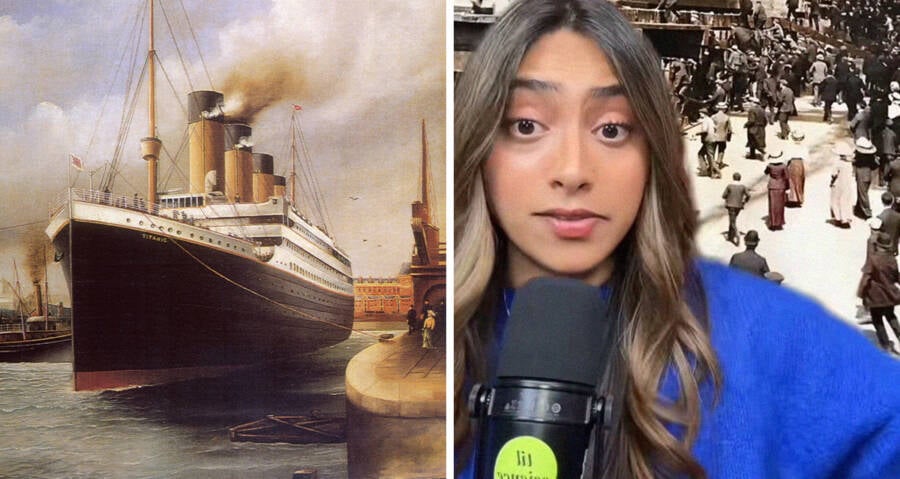
Ever wonder if skipping a simple good-luck ritual could be the iceberg ahead of your ship’s fate? The RMS Titanic, that infamous titan of the seas, sailed off into history without breaking a single bottle of champagne across its bow — a time-honored tradition believed to bring fortune and fair winds to any vessel. Now, the White Star Line’s choice to dodge this bubbly blessing remains a bubbling mystery. Did they think they were too high-class for superstition, or was it a sign the ship was doomed from the start? Dr. Harini Bhat, a pharmacist turned science storyteller, dives into this quirky twist of fate, unraveling centuries-old rituals and revealing why one of history’s grandest ships set sail without that familiar pop of celebration. Care to sip on this curious tale? LEARN MORE
The White Star Line chose not to christen the Titanic with champagne. Their reason for skipping the good luck ritual is not clearly known.
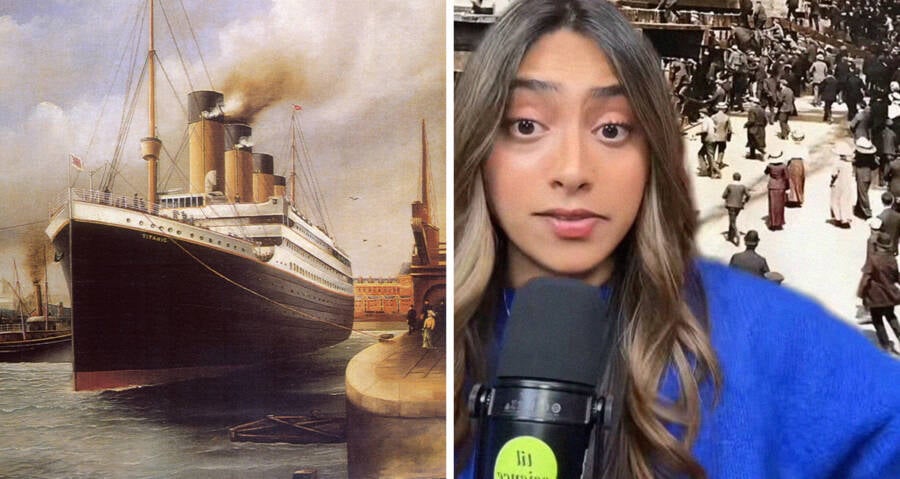
@tilscience TikTok/Archivist Adobe StockDr. Harini Bhat, a pharmacist turned “science storyteller” shared how the Titanic skipped the champagne christening.
Everyone is familiar with the RMS Titanic and what happened to it on the night of April 14, 1912. But one little-known detail is that the ocean liner skipped the champagne christening, a popular good luck ritual often used on boats. Which begs the question: was it doomed from the start?
In a teaser for her upcoming “Today I Learned” series, which takes a deep dive into the history and lore of the RMS Titanic, pharmacist turned “science storyteller” Dr. Harini Bhat (@tilscience) shared this fascinating fact about modern history’s most infamous sunken ship. Her video has been viewed more than 1.2 million times so far.
What Is A Champagne Christening For A Boat?
One of the most recognized traditions for christening a ship is breaking a bottle of champagne across its bow. It’s not a new tradition, as many ancient peoples, including Greeks, Egyptians, and Babylonians, offered sacrifices to the gods of the seas.
“Titanic’s launch wasn’t marked with the traditional good luck ritual of smashing a champagne bottle against the hull,” explained Bhat.
“The owners, White Star Line, didn’t believe in bad luck or superstition. They thought it was beneath them,” she said. The BBC reports that the line did not “christen” any of their ships in this manner. The company’s reason for not doing so, however, remains unclear.

Romolo Tavani/Adobe StockIt is common to christen a ship by breaking a bottle of champagne across its bow.
Nonetheless, for thousands of years, people have sent waterborne vessels off after performing various rituals related to good luck.
An early account of an attempt to propitiate the sea gods is found on an ancient tablet. The tablet, dated to about 2,100 B.C.E., describes the sacrifice of oxen to the gods after an ark’s voyage was completed.
In 15th-century England, “a representative of the king would drink a goblet of wine, sprinkle wine on the deck and then throw the goblet overboard.”
During the modern era, there was a gradual move to champagne.
According to the BBC, one of the earliest examples of smashing champagne against a ship was in 1891, when Queen Victoria launched the HMS Royal Arthur. A ship with a royal name deserved a regal send-off, and champagne was deemed the appropriate choice for the ritual.
Because of its associations with celebration and tradition, we continued smashing bottles of champagne to christen ships. Hopefully, Poseidon likes bubbly.
The RMS Titanic: Crown Jewel Of The White Star Line
The Belfast shipyards, where the Titanic was built by the company Harland & Wolff, shaped the city’s economy for more than 100 years.
First as one of the most prolific shipyards in the world, later through two world wars, and now as home to the Titanic Belfast attraction and other historic maritime sites.
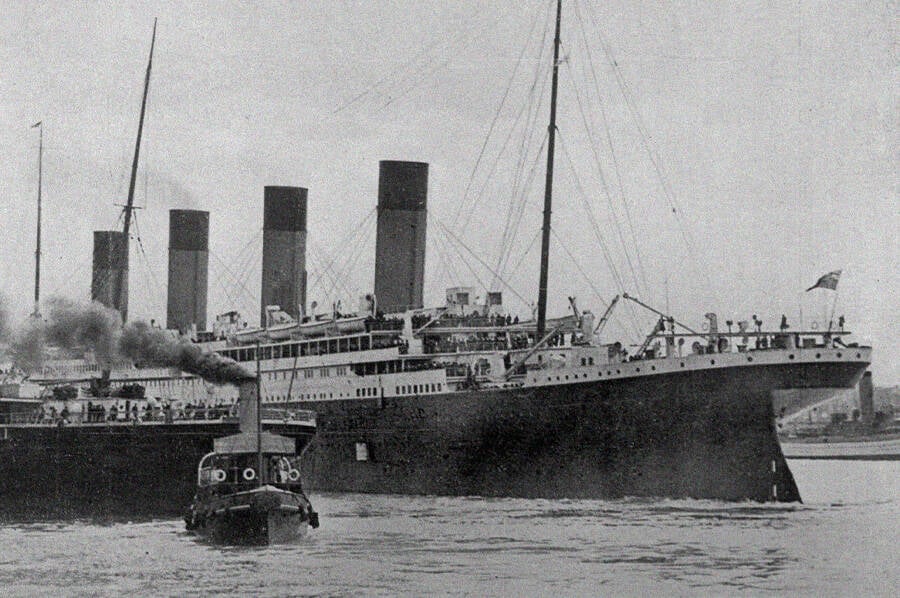
nyiragongo Adobe StockA black and white photograph of the RMS Titanic, which sunk on April 15, 1912.
The Titanic took more than two years to complete, and it is commonly cited that eight men died during the construction. The “unsinkable ship” was built in direct competition to the Cunard Line, which was considered the most innovative and respected shipbuilder in the world.
Designed as a luxury ocean liner with first, second, and third class berths, the ship was meant to cross the Atlantic from Belfast to New York City in style and elegance. Over 900 crew members serviced the ship, of which 679 perished in the sinking.
Boiler Room Evidence Regarding The Sinking Of The Titanic
High-resolution images illustrate the ship’s current position on the North Atlantic Ocean floor.
Bhat explained that where the ship split, its four massive circular boilers are still visible. Two are concave, which she says means “they were still running as the ship went under.” Researchers also found evidence that the emergency generator was running. It corroborates eyewitness accounts that say the lights were on “even as the ship sank beneath them.”
Engineers continued working despite the desperate situation. Essentially, “There was no way out, and they knew that,” she says.

Supa Ant Canning Supplies Starter Kit (Food Grade) - Canning Kits Set for Beginners - 3 Pcs. Including Wide Mouth Jar Funnel, Magnetic Lid Lifter, Stainless Steel Jar Lifter (Assembled in USA) Blue
$11.99 (as of September 10, 2026 00:38 GMT +00:00 - More infoProduct prices and availability are accurate as of the date/time indicated and are subject to change. Any price and availability information displayed on [relevant Amazon Site(s), as applicable] at the time of purchase will apply to the purchase of this product.)
Supa Ant 6x8ft. Welding Blanket Fireproof (Pack of 2) - Heavy Duty Weld Fire Blanket Tools - Welders Cover for Men Curtain with Gloves - Large Welding Gear for Welder Accessories
(as of September 10, 2026 00:38 GMT +00:00 - More infoProduct prices and availability are accurate as of the date/time indicated and are subject to change. Any price and availability information displayed on [relevant Amazon Site(s), as applicable] at the time of purchase will apply to the purchase of this product.)
1MORE Triple Driver In-Ear Headphones - Silver - Wired - Adult - In Ear - 18 grams - 90 days limited warranty
(as of September 10, 2026 00:38 GMT +00:00 - More infoProduct prices and availability are accurate as of the date/time indicated and are subject to change. Any price and availability information displayed on [relevant Amazon Site(s), as applicable] at the time of purchase will apply to the purchase of this product.)
PROMIXX FORM Sports Water Bottle 26oz, Leakproof BPA-Free, Graphite Gray | Premium Large Drinks Bottle With Measurement Markers For Hydration, Infusions And Supplements, Lifetime Durability
$17.60 (as of September 10, 2026 00:38 GMT +00:00 - More infoProduct prices and availability are accurate as of the date/time indicated and are subject to change. Any price and availability information displayed on [relevant Amazon Site(s), as applicable] at the time of purchase will apply to the purchase of this product.)