Bryan Kohberger’s ‘Perfect Crime’ Unraveled by One Unexpected Clue in the Trash
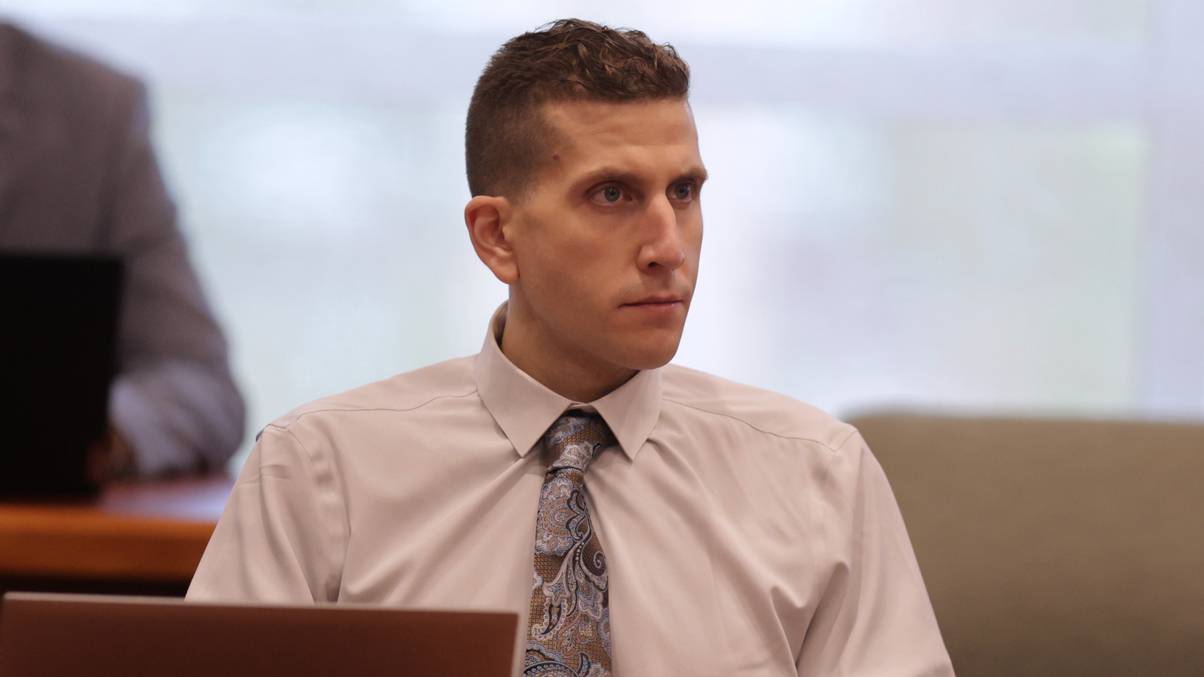
Four years have passed since Bryan Kohberger committed a chilling quadruple murder in Idaho, but the nightmare is far from over — now streaming on Netflix in a gripping new documentary, The Idaho Murders: College Nightmare. Imagine being a criminology student who thinks they’ve masterminded the “perfect crime” — only to be undone by something as mundane as their own trash. Yep, Kohberger’s twisted plan to evade capture finally cracked because the FBI got a little nosy with his garbage. He’s currently facing four consecutive life sentences, though in a twist worthy of a true crime binge, he’s trying to retract his guilty plea, potentially putting himself back on death row. So, what happens when your killer instincts meet a master’s degree in criminology but your downfall is a forgotten knife sheath and a cotton bud? Let’s dive in.
Bryan Kohberger’s horrific crimes are the focus of a brand-new documentary on Netflix four years on from committing a quadruple murder in Idaho.
The documentary, The Idaho Murders: College Nightmare, looks at the horrific stabbing which took the lives of Madison May Mogen, Kaylee Jade Goncalves, Xana Alexia Kernodle, and Ethan James Chapin.
Kohberger is current set to serve four consecutive life sentences after pleading guilty, avoiding the death penalty in the process, but has now looked to retract his guilty plea.
If the killer gets his way however this could open him up to the death sentence once again, because although he believed he committed the ‘perfect crime’ he ended up being caught due to his trash.
Kohberger’s plan to commit the ‘perfect crime’ led to him evading capture for almost two months
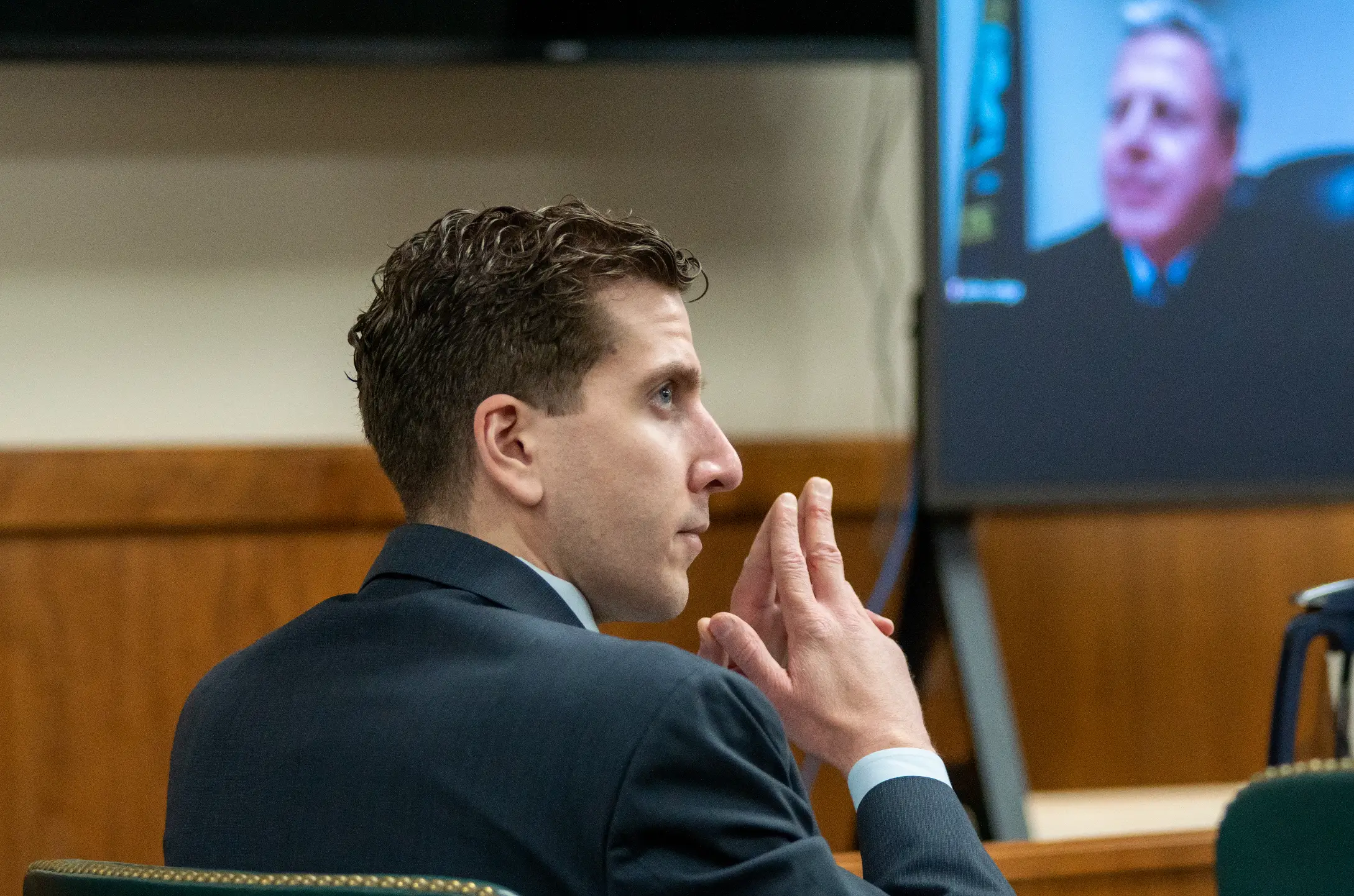
Bryan Kohberger was sentenced to four consecutive life sentences (Kai Eiselein-Pool/Getty Images)
Early on in the case local police ruled out many of those close to the victims as potential suspects, including the ex-boyfriend of Kaylee Goncalves Jack DuCoeur, who she called multiple times the night of her murder.
Part of what made Kohberger’s crime so hard to solve is that no links have ever been found to suggest why he specifically murdered the four students he did, breaking into their off-campus home.
His online presence was minimal, he wore a mask and dark clothing and so, even though he was spotted in the house by one of the two surviving roommates, they were unable to identify him.
It is unsurprising that Kohberger believed he could carry out a murder and get away with it because he was a master’s student and former teaching assistant in criminology at a local university, having studied in a class specifically centred around serial killers and mass murderers.
Speaking in Netflix’s The Idaho Murders Jared Barnhart, a digital forensic expert, said: “Bryan was studying criminology so he was studying serial killers, that could have explained why he thought he’d created this ‘perfect crime’.” His perfect crime had one flaw however, in the melee he left behind the sheath for the knife he used to kill his victims.
Kohberger leaving the knife sheath behind allowed them to find a DNA match, a match they confirmed when the FBI went digging in his trash
The sheath was by far the biggest piece of evidence local police had, but it unfortunately did not show up on any criminal databases. Kohberger’s only previous criminal past was a citation for speeding, where he gave his phone number but not any DNA.
They were however able to find a match in a commercial DNA bank, used from companies who help people find relatives and ancestry.
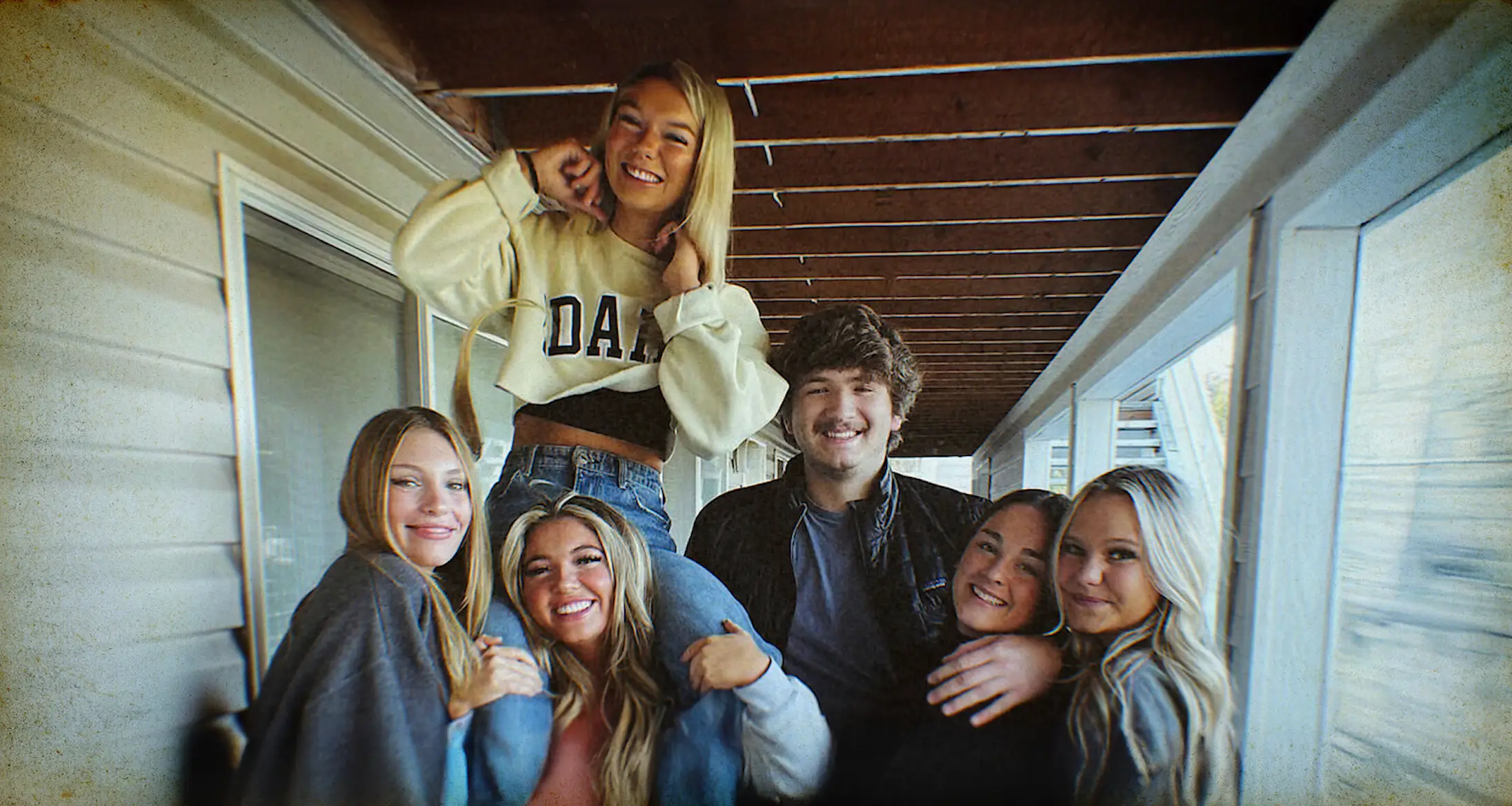
Bryan stabbed four young students to death, with two roommates surviving his attack (Handout)
This was not admissible in court however, so the FBI waited until he put out his trash (which is legal in the US as putting out trash means foregoing your ownership of it) before grabbing it. In this trash bag they found a cotton bud used by his dad, confirming that Kohberger’s DNA was on the knife sheath.
FBI and local police investigators managed to combine this with phone data, showing that he turned it off on the way to the house, to prove prior intent and planning. His phone had very little history, with Kohberger having used incognito browsing, but traces of his search history found him searching about psychopaths and serial killers.
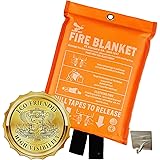
CE Certified Fire Blanket for Home and Kitchen-Fireproof Emergency Blanket | Thick Fire Blankets Emergency for Home and Kitchen.500GSM Fire Retardant Blanket.(74in 10pc) 1500F Heat Tolerant by Supa Ant.
$50.00 (as of October 4, 2026 00:55 GMT +00:00 - More infoProduct prices and availability are accurate as of the date/time indicated and are subject to change. Any price and availability information displayed on [relevant Amazon Site(s), as applicable] at the time of purchase will apply to the purchase of this product.)
White Leaf Baby Food Pouches, Toddler Snack, Mango + Carrot + Banana + Pear | 24 Pack, Organic No Added Sugar, Non-GMO, BPA-Free Regeneratively Farmed, Squeeze Puree Smoothie Pouch for Adults & Children
$69.95 (as of October 4, 2026 00:55 GMT +00:00 - More infoProduct prices and availability are accurate as of the date/time indicated and are subject to change. Any price and availability information displayed on [relevant Amazon Site(s), as applicable] at the time of purchase will apply to the purchase of this product.)
RIVER OF GOODS Mid-Century Modern Transitional LED Bronze Chrome Ceiling Fan - 52" L x 52" W - Rich Barnwood/Light Driftwood Fan Blades - Metallic Ceiling Fan with Light and Fabric Shade
(as of October 4, 2026 00:55 GMT +00:00 - More infoProduct prices and availability are accurate as of the date/time indicated and are subject to change. Any price and availability information displayed on [relevant Amazon Site(s), as applicable] at the time of purchase will apply to the purchase of this product.)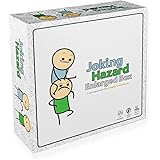
Joking Hazard Enlarged Box Empty Box for Card Storage
$12.00 (as of October 4, 2026 00:55 GMT +00:00 - More infoProduct prices and availability are accurate as of the date/time indicated and are subject to change. Any price and availability information displayed on [relevant Amazon Site(s), as applicable] at the time of purchase will apply to the purchase of this product.)