Medieval Mystery Unveiled: 13th-Century Ship’s Hull Concealed as Cellar Ceiling in Germany
Imagine discovering that the ceiling above your head isn’t just any old set of wooden planks, but fragments of a 13th-century medieval ship’s hull — now that’s a history lesson with a twist! In the city of Constance, Germany, at least 19 planks from a flat-bottomed, lake-faring vessel were ingeniously repurposed in 1244 to craft a sprawling 270 square foot basement ceiling. Who knew medieval shipbuilding secrets could be hanging right above a cellar floor? This discovery isn’t just a quirky repurposing tale; it’s a rare treasure trove offering an incredibly well-preserved peek into the craftsmanship and maritime life of the Middle Ages. So, next time you look up, ask yourself: could your ceiling be hiding a story centuries in the making?
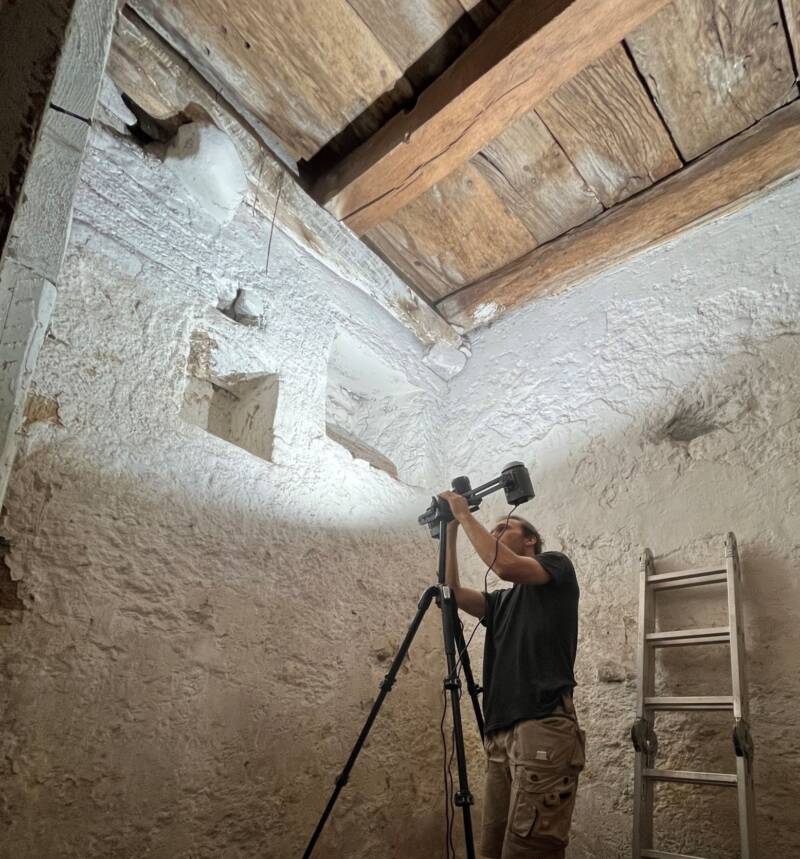
At least 19 planks from this flat-bottomed, lake-faring vessel were used to create 270 square feet of this ceiling in the city of Constance in 1244.
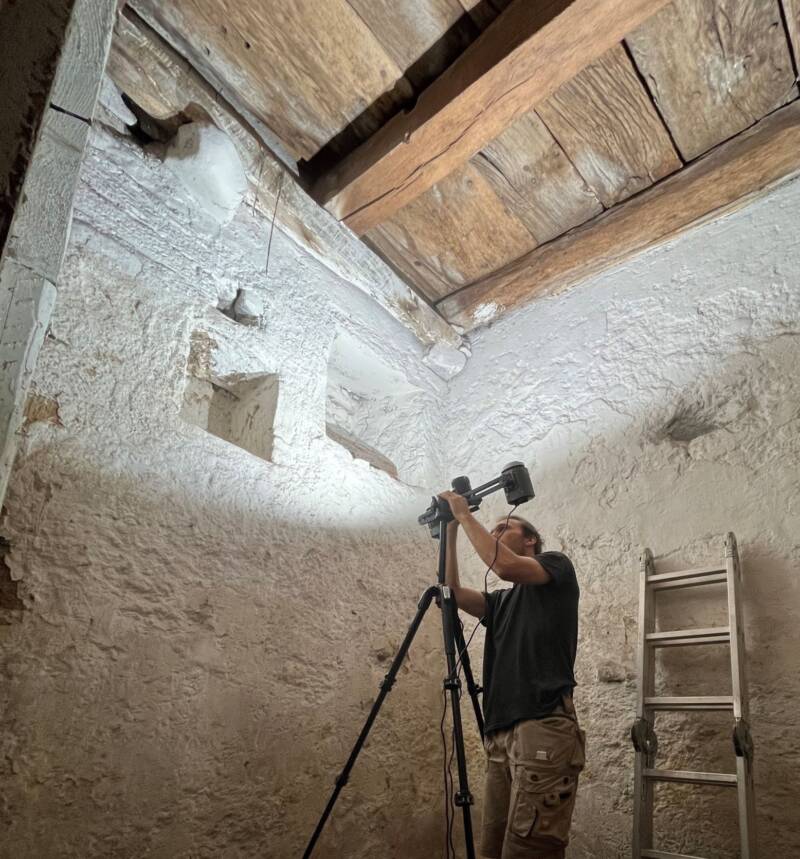
Landesamt für Denkmalpflege (LAD)Researchers in Constance, Germany discovered that this 13th-century basement was constructed with a medieval ship’s hull as its ceiling.
Other than the fact that it was built in 1244, a newly-explored cellar in southern Germany initially seemed as though it were an altogether ordinary one. Likewise at first glance, the cellar’s ceiling appeared as if it had simply been constructed with old wooden planks.
But, after closer study, researchers realized that the ceiling was rarer than they had previously thought: It was constructed with at least 19 planks that came from the hull of a medieval ship. Now, this astounding find is giving researchers an uncommonly well-preserved window into shipbuilding practices during the Middle Ages.
The Discovery Of The Medieval Ship’s Hull Being Used As A Ceiling In Germany
The discovery was made during an architectural history study conducted by the State Office for Monument Preservation (LAD) in Stuttgart.
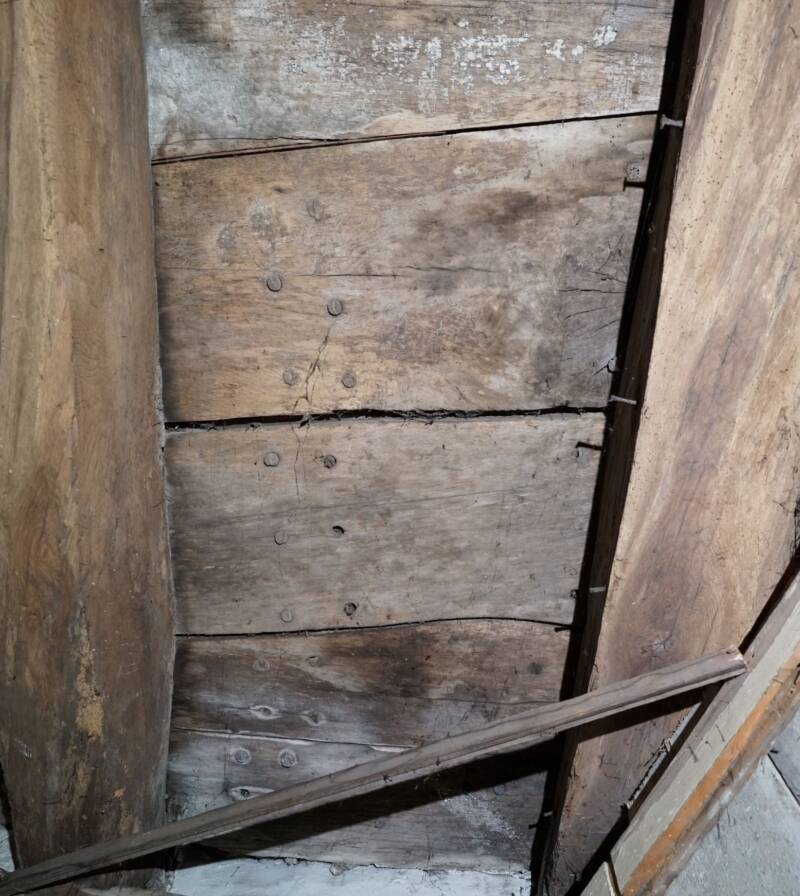
Landesamt für Denkmalpflege (LAD)The ship’s timber was incredibly well-preserved due to the dry environment of the basement.
The ceiling of the cellar covers close to 270 square feet, giving the researchers plenty to study.
“At first, all that was clear was that the planks had been reused. The fact that they were originally part of a ship was the complete surprise,” Dr. Aline Kottmann, a specialist for medieval archaeology at the LAD, said in a statement.
The first stages of the study have indicated that the planks were part of a flat-bottomed cargo vessel that sailed on lakes during the medieval era.
The team was able to identify the planks as belonging to a medieval hull by their shape, rows of nails, and wooden pegs.
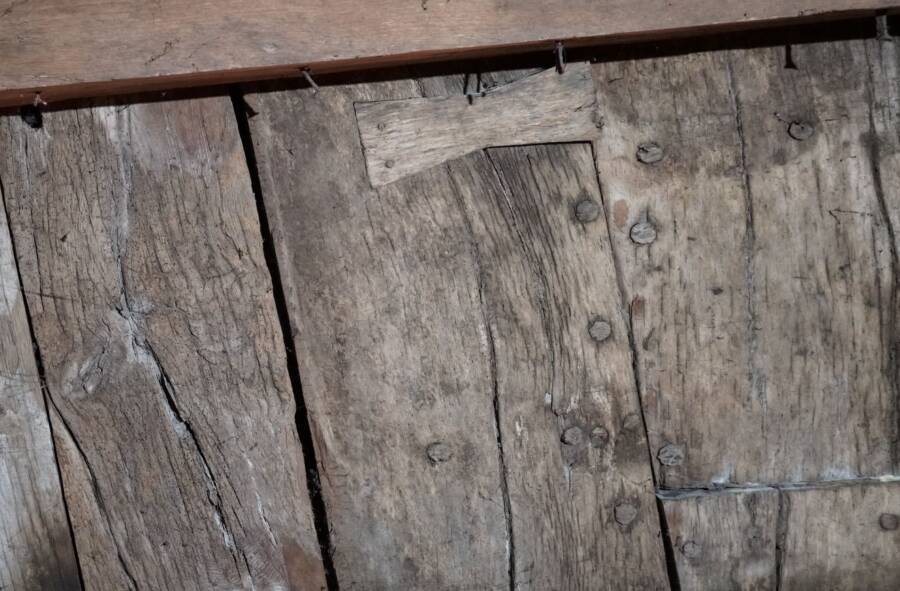
Landesamt für Denkmalpflege (LAD)The team found at least four places where repairs were done on the wood when it was still part of the vessel, providing rare insight into medieval shipbuilding techniques.
Some of the planks are in the same order as they were when they were part of the vessel, indicating that medieval workers repurposed large, intact sections of the hull when building the ceiling. What’s more, remnants of the caulk used to seal gaps between the planks have also been preserved in some places.
Researchers have even been able to find at least four places on the planks where repairs were done to damaged sections. Those faulty pieces were cut out and replaced with specially-fitted sections of wood. One example used a “swallowtail-shaped” insert, a technique with no known comparison among medieval ship discoveries made around Lake Constance thus far.
How This Discovery Could Reveal New Insights About Medieval Shipbuilding
As part of its “Wrecks and Deep Sea” project, the LAD has been searching for shipwrecks in Lake Constance, and this discovery will certainly add to their growing body of knowledge about medieval shipbuilding in the region.
This find is particularly exciting — more so even than a traditional shipwreck that’s found below the surface — because the dry basement conditions have kept this hull’s remains exceptionally well-preserved and accessible for detailed study, unlike the timber found in shipwrecks that have been sitting underwater for centuries.
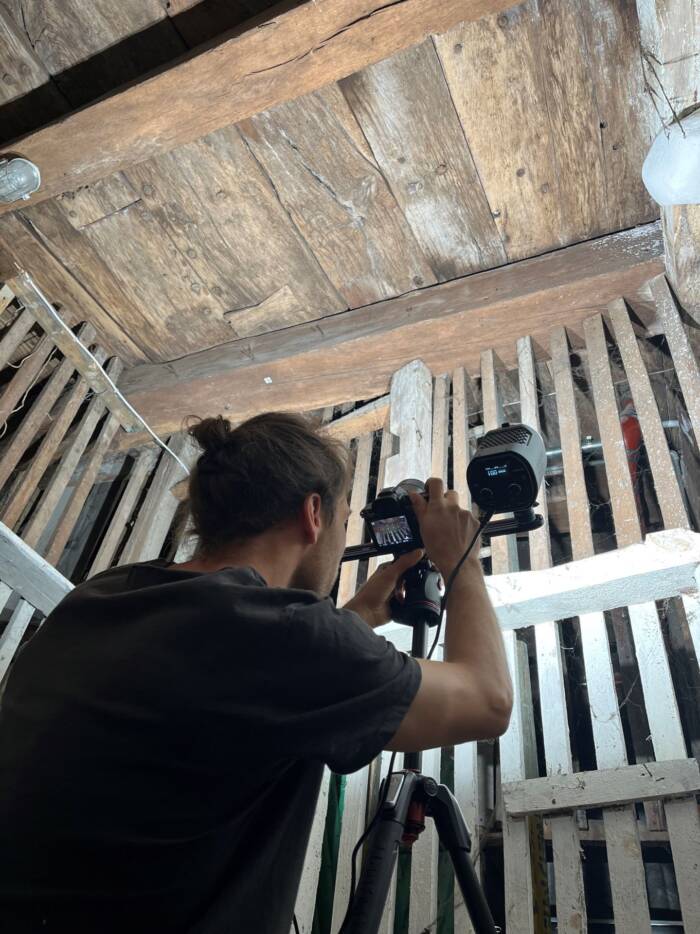
Landesamt für Denkmalpflege (LAD)The team hopes to date the wood using dendrochronology, a method that compares the growth rings of the trees cut for the timber.
“It is known that decommissioned ships were reused as building timber in the Middle Ages. Nevertheless, the find in Constance is something very special: Here, not just individual fragments, but an almost completely intact ship’s hull was used,” Alexandra Ulisch, a staff member in the “Wrecks and Deep Sea” project, said in the statement.
Analyzing the wooden planks in the ceiling could provide insight into how ships like the ones found in Lake Constance were built.
“Should parts of the side planking actually have survived, new insights into the construction of medieval ships and the design of the transition between the bottom and side planks would be possible,” Ulisch said.
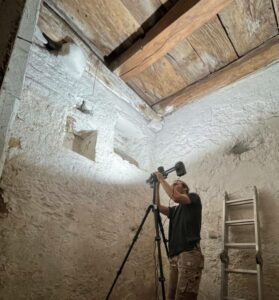
This month, the team made a three-dimensional model and digital record of the ceiling and its planks. Researchers also took wood samples to conduct dendrochronology, a method used to date trees by analyzing growth rings.
RIVER OF GOODS Coastal 52 Inch Wooden Bead LED Ceiling Fan, Brown
(as of August 26, 2026 00:29 GMT +00:00 - More infoProduct prices and availability are accurate as of the date/time indicated and are subject to change. Any price and availability information displayed on [relevant Amazon Site(s), as applicable] at the time of purchase will apply to the purchase of this product.)
Rhythm Superfoods Kale Chips, Zesty Nacho, Organic and Non-GMO, 2.0 Oz (Pack of 4), Vegan/Gluten-Free Superfood Snacks
(as of August 26, 2026 00:29 GMT +00:00 - More infoProduct prices and availability are accurate as of the date/time indicated and are subject to change. Any price and availability information displayed on [relevant Amazon Site(s), as applicable] at the time of purchase will apply to the purchase of this product.)
RIVER OF GOODS Stained Glass Bird Accent Lamp - 8" W x 13.5" H - Tiffany Style Table Lamps for Home, Office Desk, Bedroom, Nightstand - Blue Jay Decor
(as of August 26, 2026 00:29 GMT +00:00 - More infoProduct prices and availability are accurate as of the date/time indicated and are subject to change. Any price and availability information displayed on [relevant Amazon Site(s), as applicable] at the time of purchase will apply to the purchase of this product.)
RIVER OF GOODS Alabaster LED Mesh Caged Ceiling Fan - 52" L X 52" W - White/Oak Wood-Grain Blades
(as of August 26, 2026 00:29 GMT +00:00 - More infoProduct prices and availability are accurate as of the date/time indicated and are subject to change. Any price and availability information displayed on [relevant Amazon Site(s), as applicable] at the time of purchase will apply to the purchase of this product.)




















Post Comment