11,000-Year-Old Statue Discovered in Turkey Reveals Mysterious Man Mounted on a Ferocious Leopard—What Secrets Does It Hold?
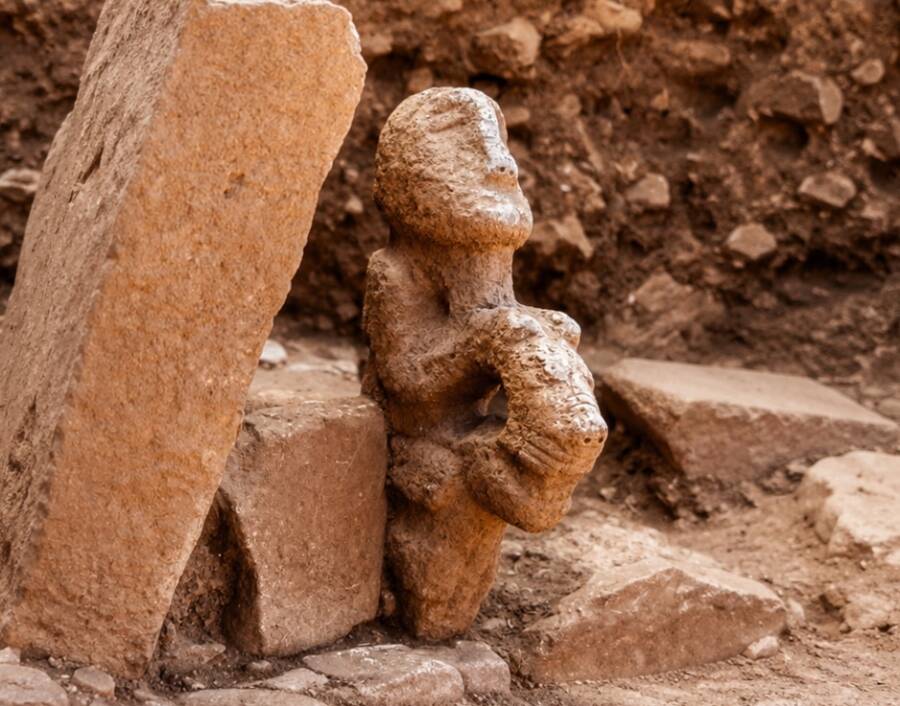
Ever wonder what 11,000 years of bravado looks like? Well, archaeologists just stumbled upon a stone-cold flex at Karahan Tepe—a Neolithic site in southern Turkey where the statues seem to scream, “Yeah, I’m macho AND I ride wild leopards.” Picture this: a nearly 28-inch-tall human figure perched atop a snarling leopard, chilling on a stone platform inside some mysterious circular structure. It’s like Caveman Harley-Davidson, minus the leather jacket but double the attitude. This isn’t just any old relic; it’s part of a brawny collection of human and animal statuary capturing a prehistoric display of raw, untamed manliness. What stories were those ancient carvers trying to tell? Is this an ancient symbol of dominance, friendship, or some seriously early cosplay? Either way, it’s wild, it’s archaic, and it’s just waiting for us to decode its savage secrets.
The figure was found at the Neolithic site of Karahan Tepe in southern Turkey, home to a number of human and animal statues, many of them focused on outsized displays of machismo.
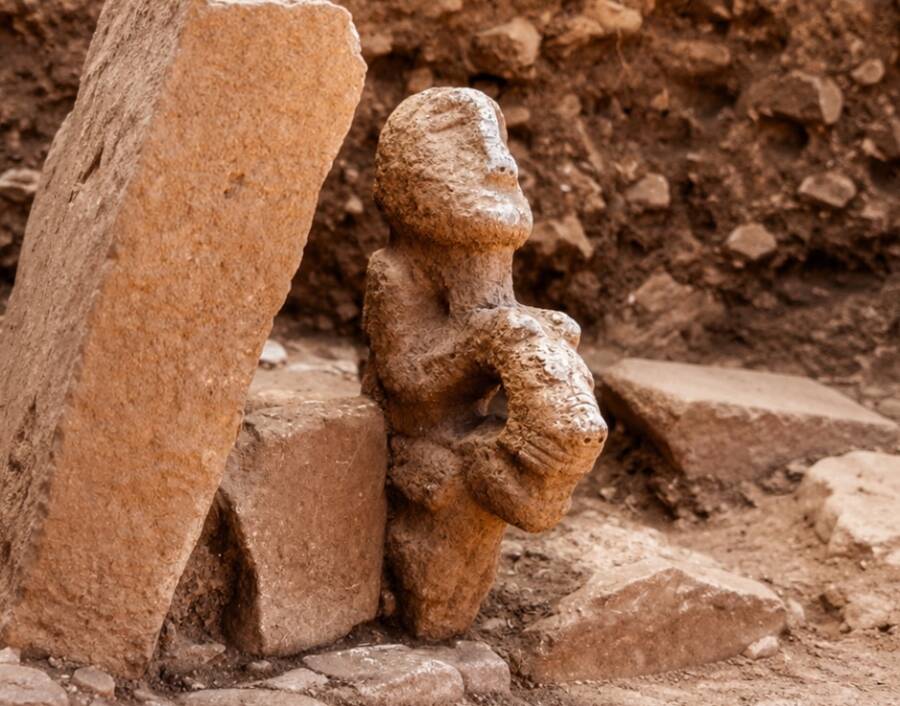
Turkish Ministry of Culture and TourismMeasuring nearly 28 inches tall, this figure was found right where it was erected circa 9000 B.C.E., on a stone platform along the wall of an unknown circular structure that’s about 10 feet across.
Archaeologists excavating the prehistoric site of Karahan Tepe in southern Turkey just discovered a roughly 11,000-year-old statue of a human figure seated on the back of a leopard, presumably riding the snarling beast.
This stunning find now joins a remarkable collection of human and animal depictions that have been uncovered at this site, one of the oldest-known human settlements in the world.
The Discovery Of The Neolithic Leopard Statue At Turkey’s Karahan Tepe
The discovery of the sculpture, which was found during this year’s excavation season, was announced on August 25 by Turkey’s Minister of Culture and Tourism, Mehmet Nuri Ersoy.
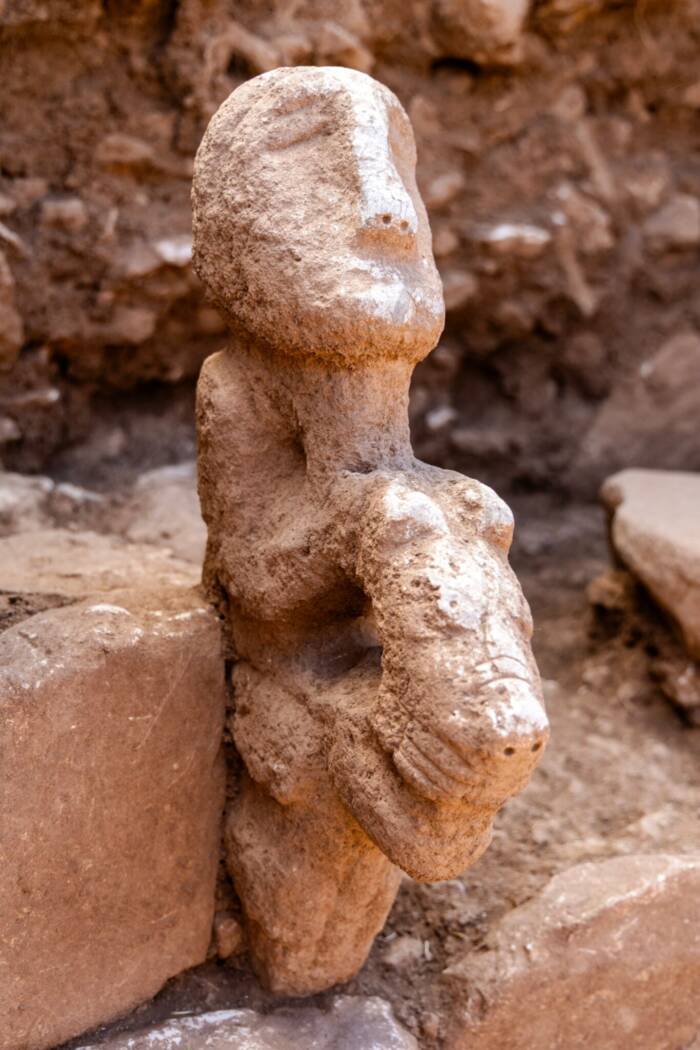
Turkish Ministry of Culture and TourismThis newly-found statue adds to the large collection of human and animal imagery that’s been found at the site.
The statue stands just over two feet tall. According to the announcement, the sculpture was found sitting on a bench or platform that ran along the wall of a circular ancient structure of unknown purpose that measured about ten feet in diameter and had a floor paved with flat stones.
Ersoy said in the statement that the sculpture was unique, but few details about it are known at this point. The object’s exact provenance and purpose will hopefully be revealed after further analysis.
But while most of the details about this particular artifact remain unknown, the place where it was found is one of the most well-studied prehistoric sites in the region.
Discovered in 1997, Karahan Tepe has long been one of Turkey’s most important and prolific archaeological sites. Established circa 9750 B.C.E. in what’s now the province of Şanlıurfa, Karahan Tepe is also one of the largest Neolithic sites in the region.
Excavations of the particular area where this statue was found began in 2019 — and these specific digs have proven to be especially fruitful.
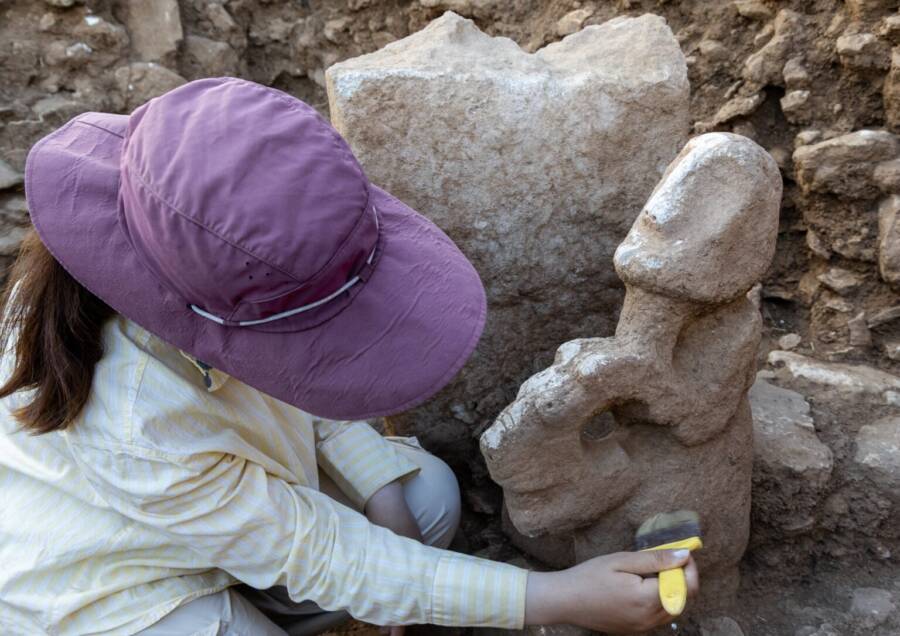
Turkish Ministry of Culture and TourismSome Neolithic scholars have proposed that leopards were symbols of guardianship or transformation.
Since 2019, archaeologists here have found several artifacts that depict interactions between humans and animals. In 2023, researchers found a roughly eight-foot statue of a man seated on a stone bench decorated with a leopard and vulture. More recently, archaeologists found a collection of small animal figurines at the site as well, including a fox, vulture, and wild boar.
This new sculpture of a man riding a leopard may now shed even more light on the meaning of animal symbolism for this Neolithic community.
The Prominence Of Leopard Imagery At This Prehistoric Site
The leopard in particular is certainly not a new symbol among the finds at Karahan Tepe.
Earlier excavations at Karahan Tepe have also found other sculptures that depict a kind of inverse of the recent find: a leopard riding a human on his back (or perhaps the leopard is a carcass that’s slung over the man’s back). According to the site’s excavation director Dr. Necmi Karul, three sculptures depicting that human-leopard relationship had been found at Karahan Tepe.
The fact that the newly-discovered statue depicts the opposite relationship may help researchers understand the meaning behind these sculptures for the hunter-gatherers living in this settlement thousands of years ago.
“Leopards were common feline predators in the region. They are vigorous, dangerous animals, so probably challenging game for skilled hunters. That might have added to their symbolic meaning,” Jens Notroff, a Neolithic archaeologist at the German Archaeological Institute who was not involved in the project, told Live Science.
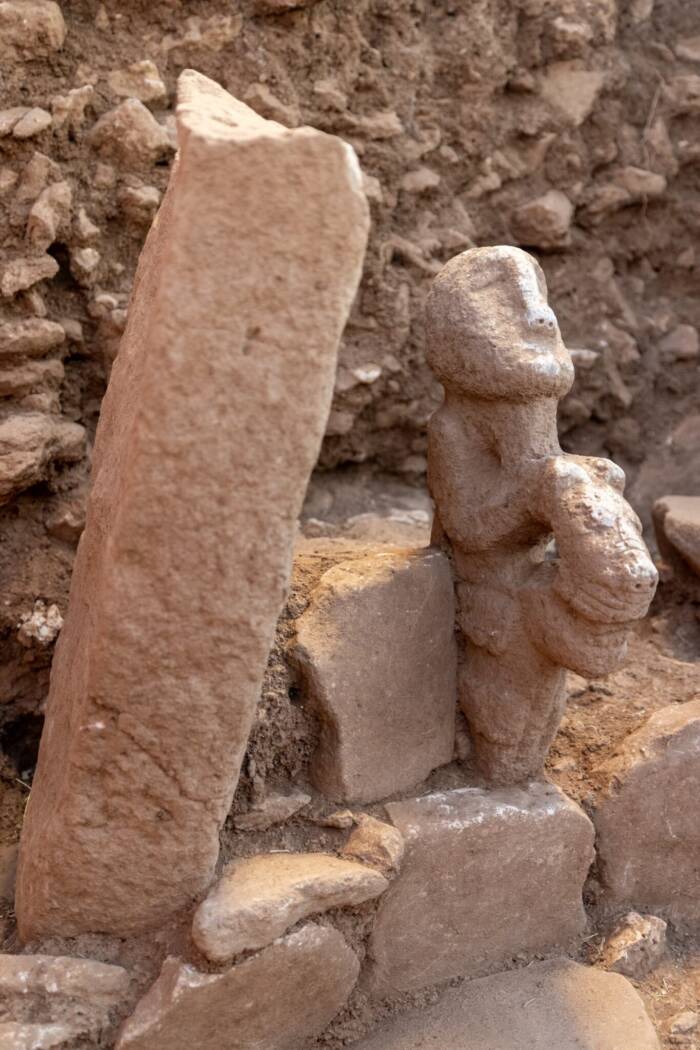
Turkish Ministry of Culture and TourismThe statue was found at Karahan Tepe, a Neolithic site that dates back to 9750 B.C.E.
Excavation director Karul has previously identified leopards as the most common animal motif found at Karahan Tepe, where they appear in reliefs as well as sculptures.

White Leaf Baby Food Pouches, Toddler Snack, Mango + Carrot + Banana + Pear | 24 Pack, Organic No Added Sugar, Non-GMO, BPA-Free Regeneratively Farmed, Squeeze Puree Smoothie Pouch for Adults & Children
$69.95 (as of October 18, 2026 01:00 GMT +00:00 - More infoProduct prices and availability are accurate as of the date/time indicated and are subject to change. Any price and availability information displayed on [relevant Amazon Site(s), as applicable] at the time of purchase will apply to the purchase of this product.)
Supa Ant 6x8ft. Welding Blanket Fireproof (Pack of 2) - Heavy Duty Weld Fire Blanket Tools - Welders Cover for Men Curtain with Gloves - Large Welding Gear for Welder Accessories
(as of October 18, 2026 01:00 GMT +00:00 - More infoProduct prices and availability are accurate as of the date/time indicated and are subject to change. Any price and availability information displayed on [relevant Amazon Site(s), as applicable] at the time of purchase will apply to the purchase of this product.)
1MORE Triple Driver in-Ear Earphones Hi-Res Headphones with High Resolution, Bass Driven Sound, MEMS Mic, in-Line Remote, High Fidelity for Smartphones/PC/Tablet - Silver
$61.59 (as of October 18, 2026 01:00 GMT +00:00 - More infoProduct prices and availability are accurate as of the date/time indicated and are subject to change. Any price and availability information displayed on [relevant Amazon Site(s), as applicable] at the time of purchase will apply to the purchase of this product.)
Fire Blanket - 1500F CE Certified Emergency Fire Blanket for Home & Kitchen | 500GSM Fabric & 0.5mm Thick - 100% Fiberglass Fire Extinguisher for Car,Warehouse Office - 5pc (40"x40") by Supa Ant
$92.95 (as of October 18, 2026 01:00 GMT +00:00 - More infoProduct prices and availability are accurate as of the date/time indicated and are subject to change. Any price and availability information displayed on [relevant Amazon Site(s), as applicable] at the time of purchase will apply to the purchase of this product.)