79 Ordinary Symptoms That Left Doctors Shocked and Speechless—What They Discovered Will Astound You

Have you ever caught yourself hesitating before making a simple decision, convinced that some alternate version of you is out there pulling the opposite lever in a cosmic game of “what if”? Like, if you don’t flick that light switch thrice—or gasp accidentally choose the wrong route around a pole—you might just send the universe spiraling into chaos? Yeah, me neither… until I read these jaw-dropping tales of people grappling with health symptoms they thought were totally normal, but that made doctors stop dead in their tracks. It turns out, what feels like your ordinary ache or quirky habit might actually be waving a giant red flag. So, how do you tell everyday quirks from those “please take me seriously” signals? Buckle up, you’re about to dive into some eye-opening, sometimes hilarious, and always human stories that prove the line between normal and alarming is thinner than you think.
 I told my therapist I think that sometimes when I walk around poles, cars, any time I have to make a decision between two things I think that the parallel version of me is making that opposite decision and if I choose the wrong one my grandma will pass away, my husband will cheat on me, I’ll lose the house. So I always have to pause and just feel which one will be right.
Yeah she said I have OCD. Apparently if you don’t flick a light switch three times, the oceans won’t dry up.
According to Brown University School of Public Health, a sign is something that can be seen by others. “For instance, a rash may be a sign of a skin condition, while an elevated blood sugar level may indicate diabetes,” explains the site. “It can be observed or measured by others, including your family and doctor.”
Symptoms cannot be seen or measured. They are only experienced by and apparent to the person who is experiencing them. “A ringing in the ear may be a symptom of tinnitus – but no one else can hear it,” the site notes. “Symptoms indicate when something is wrong in your body. It could be an illness, injury, or medical condition.”
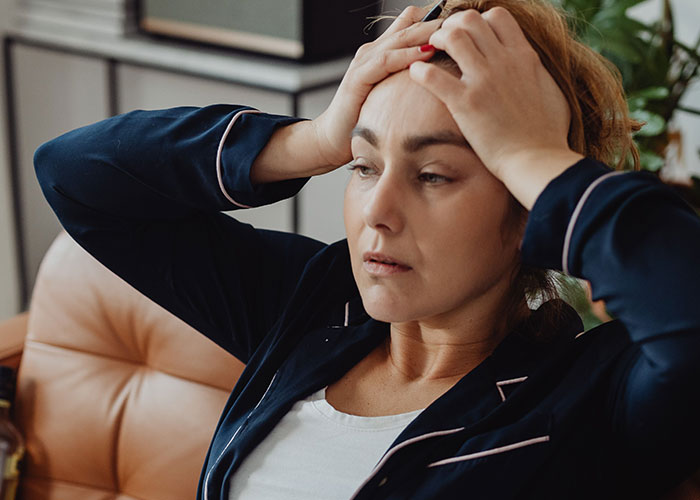 My intrusive thoughts. Fresh adult, right out of college, no career aspects, and the Dr. gave the usual “everyone has intrusive thoughts like what if I fail this interview. I have a toddler at home and worry all the time about her getting into things”.
I asked him what does he do to curb it, because it’s really difficult to drive with those. He asked what I meant. I explained “well like when you drive over a bridge and get the intrusive thought of what would happen if you swerved and landed in the water? Could I actually survive? How heartbroken my parents would be and would my books go to the right friends afterwards? Before I know it I’m crying behind the wheel! That’s dangerous!”
He prescribed me anxiety medication before I stopped talking.
 Since I couldn’t lock my bedroom door, I would close it and chuck pennies rhythmically and then my dad wouldn’t angrily burst in because he could hear that he’d get a penny to the forehead if he opened the door. I shared this as an example of how creative I am with problem solving. Therapist was like…. “So tell me more about your childhood…”.
Remitting symptoms are ones that improve or go away completely, relapsing symptoms those that were previously experienced and resolved, but return again, and chronic symptoms are long-lasting.
Certain symptoms list can indicate the possibility of a dangerous or life-threatening condition. And if you experience them, warns Brown University, you should seek immediate medical attention.
 That my period was so heavy at night I was wearing adult diapers to bed so I wouldn’t wake up in the prom scene from Carrie. I thought it was genius and she was horrified I was living with twice a month periods that were that bad.
She sent me to a gynecologist and last month I got my uterine ablation. It’s been so much better living without every other week of excruciating pain and extreme bleeding.
“If you feel like you can’t breathe, or can’t get enough air in your lungs, you should call 9-1-1,” reads Brown’s site. “Known as dyspnea, this could indicate several dangerous conditions, including asthma, heart issues, pneumonia, or a blood clot in the lungs.”
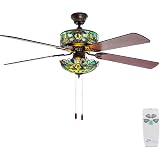
RIVER OF GOODS Stained Glass Magna Carta LED Ceiling Fan - 52" L x 52" W - Tiffany Style - Flush Mount Ceiling Fan with Remote - Teal
(as of September 1, 2026 00:34 GMT +00:00 - More infoProduct prices and availability are accurate as of the date/time indicated and are subject to change. Any price and availability information displayed on [relevant Amazon Site(s), as applicable] at the time of purchase will apply to the purchase of this product.)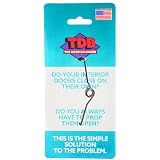
The Door Balancer Eliminates The Need for Door Props, Door Stops and Door Wedges
(as of September 1, 2026 00:34 GMT +00:00 - More infoProduct prices and availability are accurate as of the date/time indicated and are subject to change. Any price and availability information displayed on [relevant Amazon Site(s), as applicable] at the time of purchase will apply to the purchase of this product.)
Rhythm Superfoods Kale Chips, Zesty Nacho, Organic and Non-GMO, 2.0 Oz (Pack of 4), Vegan/Gluten-Free Superfood Snacks
(as of September 1, 2026 00:34 GMT +00:00 - More infoProduct prices and availability are accurate as of the date/time indicated and are subject to change. Any price and availability information displayed on [relevant Amazon Site(s), as applicable] at the time of purchase will apply to the purchase of this product.)
RIVER OF GOODS Coastal 52 Inch Wooden Bead LED Ceiling Fan, Brown
(as of September 1, 2026 00:34 GMT +00:00 - More infoProduct prices and availability are accurate as of the date/time indicated and are subject to change. Any price and availability information displayed on [relevant Amazon Site(s), as applicable] at the time of purchase will apply to the purchase of this product.)




















Post Comment