Harvest Moon 2026: Discover the Magical Moment It Peaks and Where to Witness It in the UK
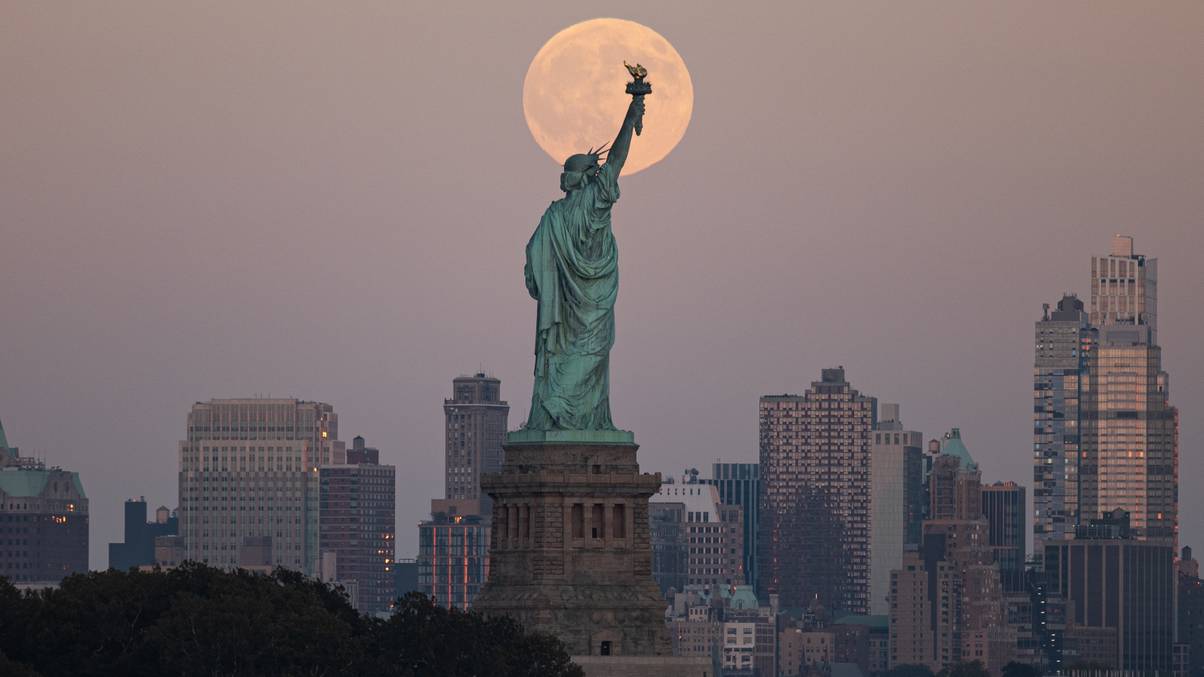
If you think the moon’s just a quiet nightlight in the sky, think again. This September, the Harvest Moon 2026 is dropping in like that surprise guest who brings the party vibes—and this one’s no wallflower. Sure, we had a dazzling blood moon in March and a sneaky lunar eclipse earlier this year, but the Harvest Moon? It’s the OG of moon phases, lighting up fields and folklore alike. Why this moon’s got farmers buzzing for centuries, when exactly you should lift your eyes to catch its glow, and what mystical mojo it’s packing—yeah, all that juicy stuff is coming your way. Ready to see the moon do more than just look pretty? Let’s dive in. LEARN MORE
If you’re hoping to catch the Harvest Moon 2026, then you’re in luck, because it’s happening this month.
Following the phases of the moon is guaranteed to churn out some unexpected sights, and cosy vibes. For example, we’ve recently had the ‘blood moon‘ in March, which was a fantastic sight for those were caught it as it rose in the sky.
There was also the first lunar eclipse of the year, which happens when the Moon moves into the Earth’s shadow and becomes obscured.
Now, there’s people out there who want to know all about the Harvest Moon, such as why is it called the Harvest Moon, when is the Harvest Moon going to be seen, and what is the Harvest Moon spiritual meaning that dates back hundreds of years.
Well, it’s a good thing those are all going to be answered right this second.
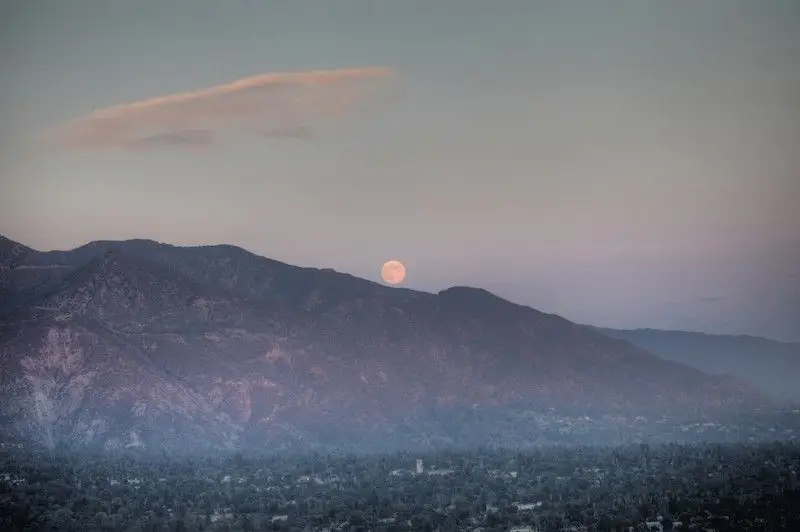
The 2016 Harvest Moon (Doug Ellison/NASA)
When is the Harvest Moon in 2026?
The moon event, which occurs once a year as we close in on the Autumn equinox, falls on Saturday, 26 September, reaching its full phase, or its ‘peak’, at 5.49pm BST, per Time and Date, but will rise at different times for different cities.
The ‘peak’ is in reference to the precise astronomical moment where the Moon is opposite the Sun, which isn’t always to time you should go out to see it for the best view.
For many, it could be anywhere from the six pm until sunset.
An example of this time difference is that the moon rises in London at approximately 6.27pm, but once it’s up in the sky, it’ll be full and at its best from Friday through Sunday, according to Royal Museums Greenwich.
What’s even more amazing is that Saturn will also be visible close to the Moon during the evening, so it’s like a two-for-one event.
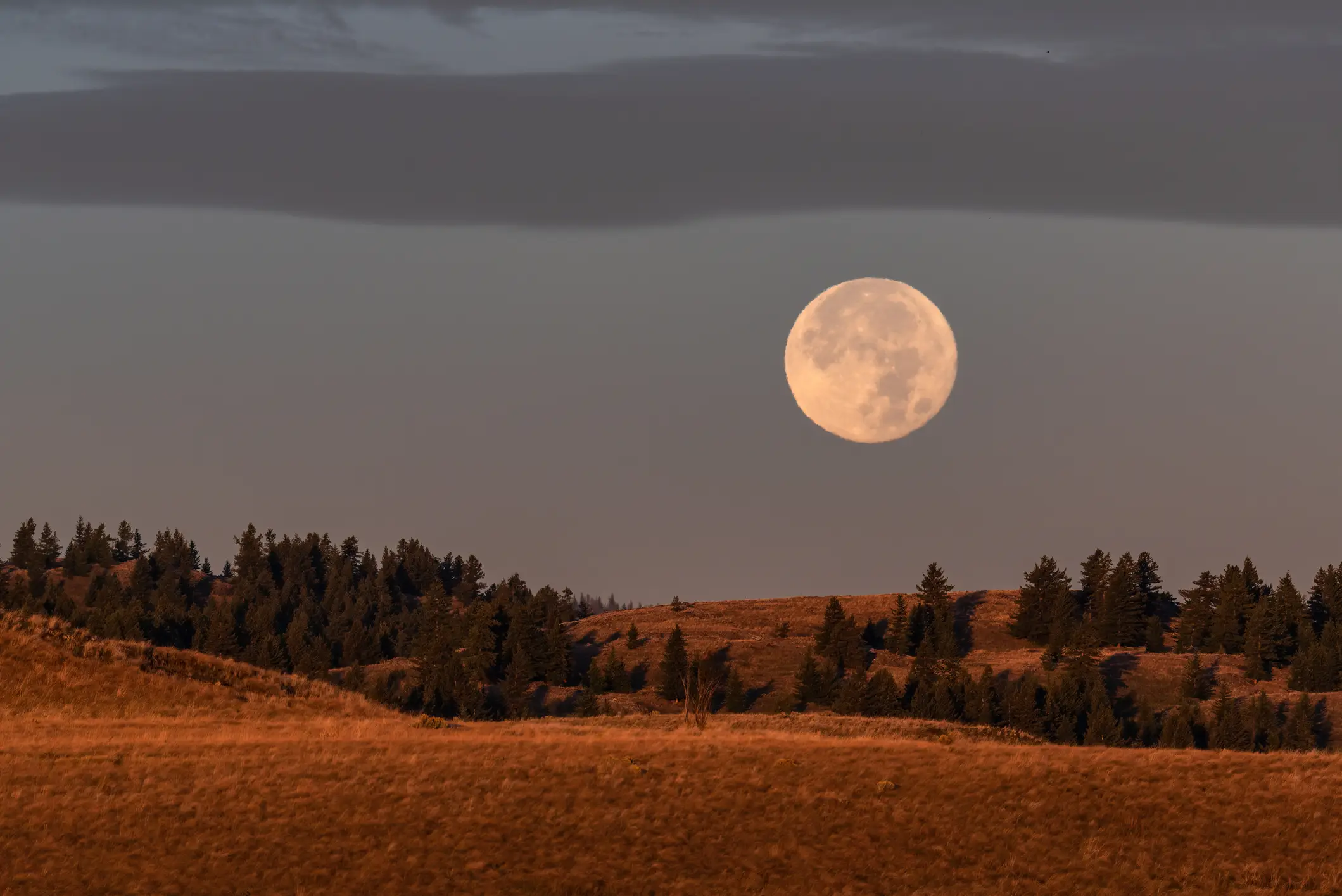
When will the Harvest Moon rise? (Getty Stock Images)
What time will the Harvest Moon rise in the UK?
If you want to try your hand at moongazing the Harvest Moon, there are a few different times you should plan your event, because depending on the city location, there will be set times for when it’ll be most visible.
With the moon rising in the east, your local moonrise should happen around these times, per Time and Date:
- London (6.52pm)
- Manchester (6.50pm)
- Birmingham (6.45pm)
- Cardiff (7pm)
- Belfast (7.05pm)
- Edinburgh (6.55pm)
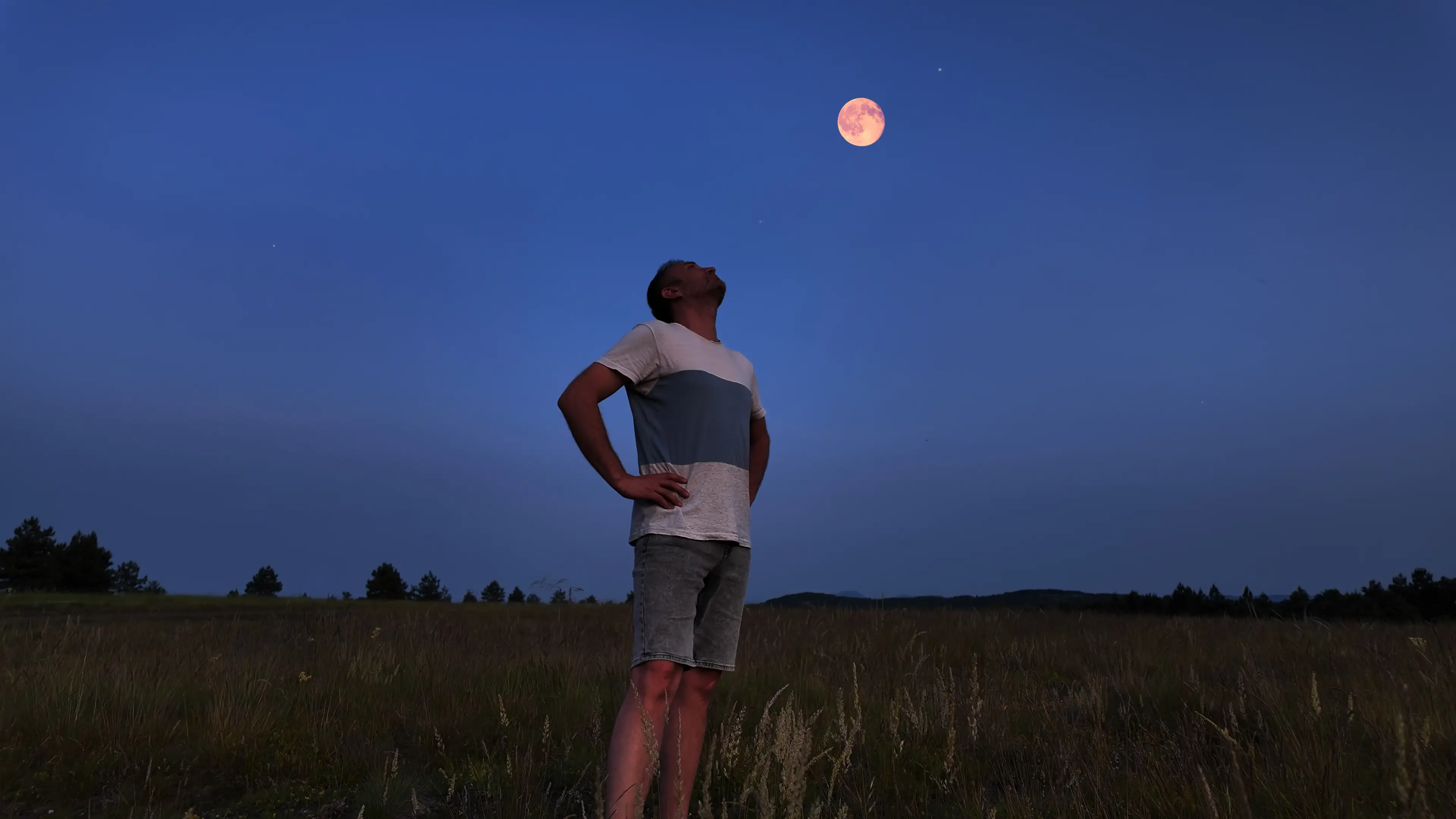
When can you see it? (Getty Stock Images)
Can you see the Harvest Moon on Friday or Sunday?
Yes. While that sounds like an annoying answer, it really is that simple.
That’s because the moon will come up on Friday, and will continue to be completely illuminated throughout the weekend until the phase is over.
However, the best time to see it, when it will be at its full phase, is Saturday.
So, if Friday or Saturday are cloudy, you can always hope to see it come Sunday.
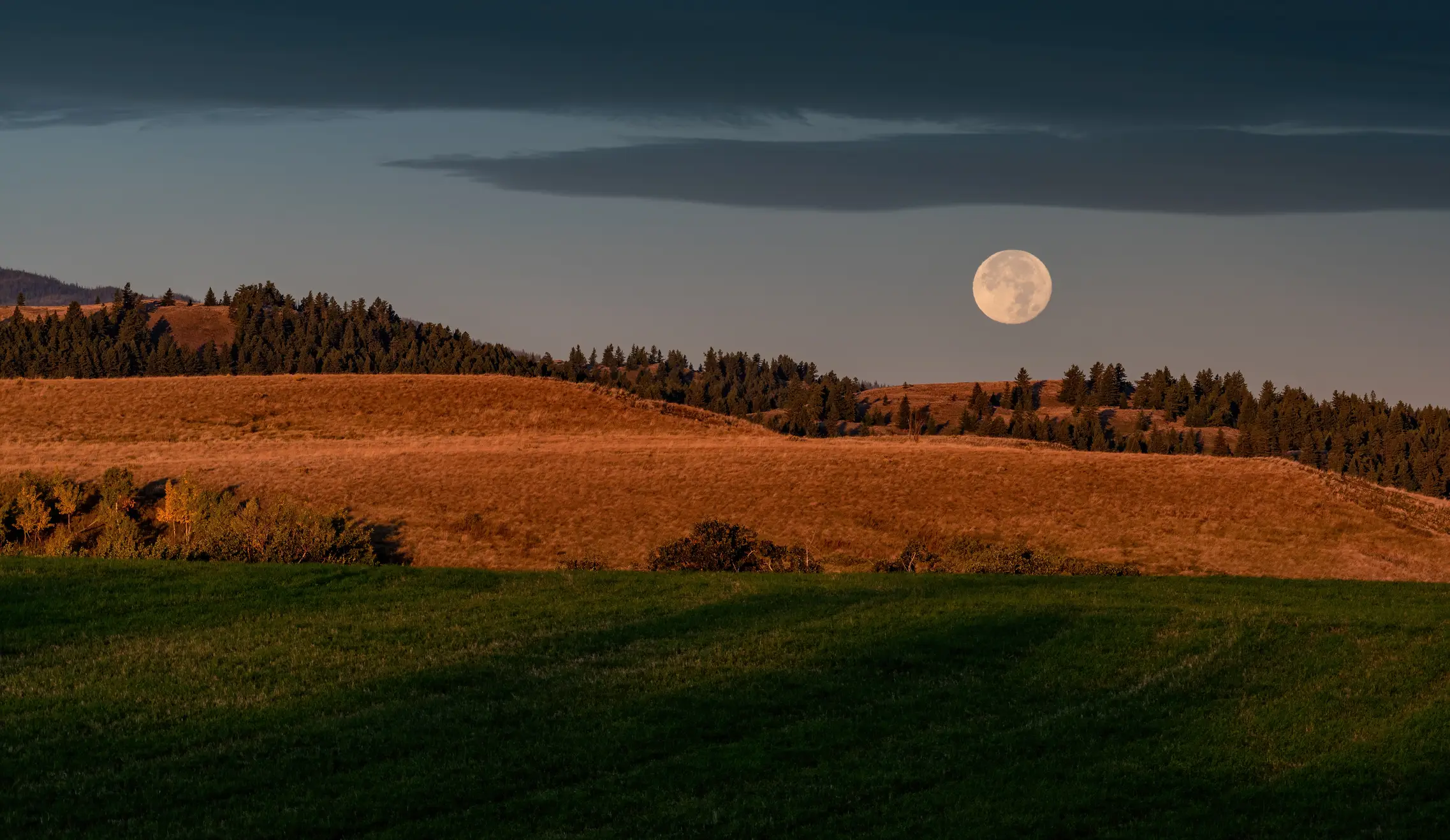
How can you see it? (Getty Stock Images)
How can you see the Harvest Moon from the UK?
If you’re keen on the idea of spending your night looking up at the giant, orange moon, then there’s a few ways you can do it. For example, you can do so by finding somewhere up high, and without anything obstructing your view to the east.
If you want to make sure you’re also not fighting for somewhere to sit if you choose to visit someplace that is highly populated, such as a public park or picnic area – then you should arrive before the local moonrise time to be in for a chance of claiming a seat.
Thankfully, because this isn’t a solar eclipse, you don’t have to bring anything to help with your viewing experience, and it’s totally safe to look directly at the full moon.
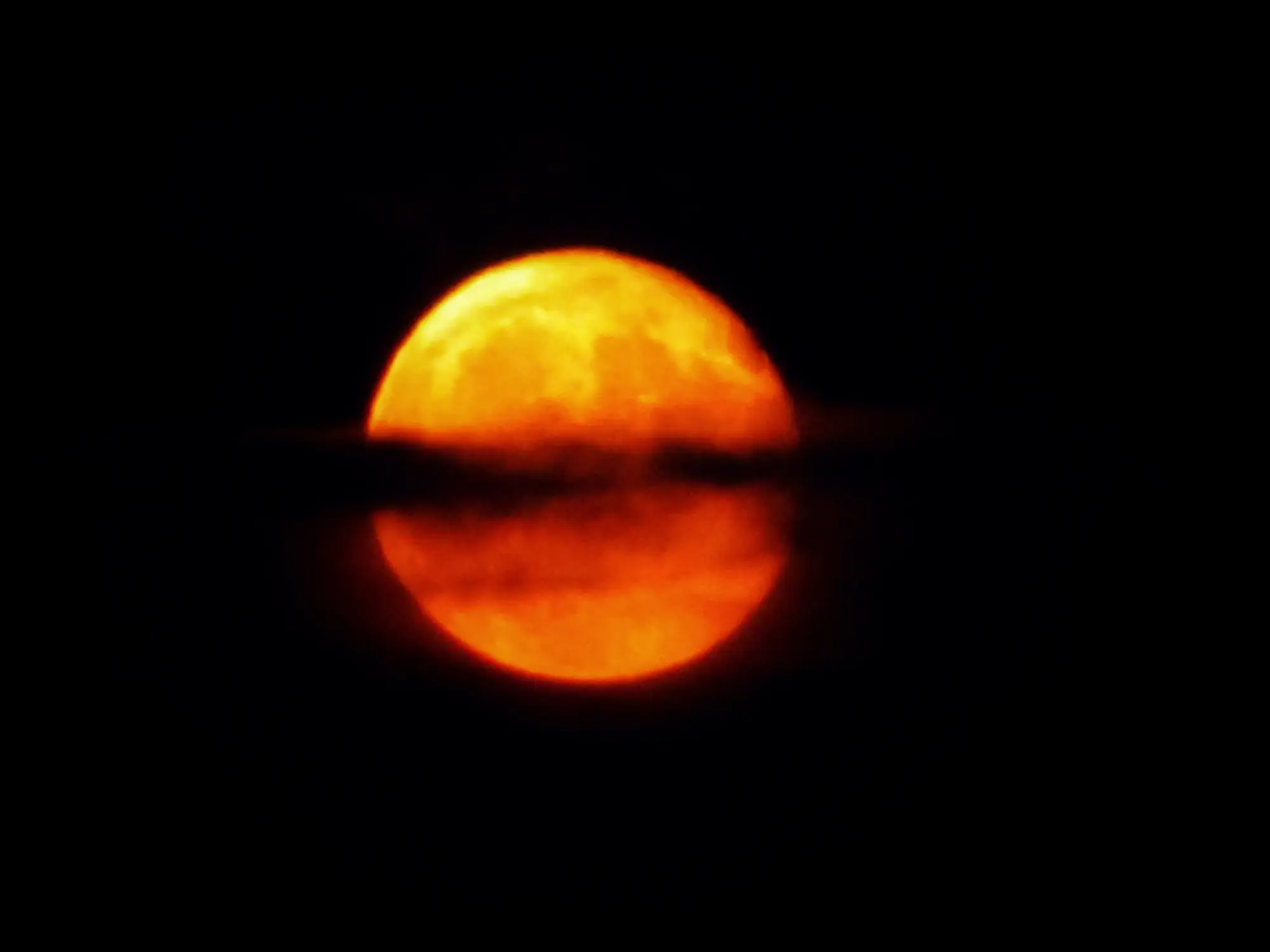
Check the weather (Getty Stock Images)
Will the weather be clear enough to see it?
According to the Met Office, there is a good chance you’ll get clear skies wherever you are. But as is always the case with UK weather, it could very well change on the day.
For London, it is predicted to be 22C, with ‘good’ visibility. Manchester should see 18C, with a five percent range of rain and ‘good’ visibility.
As for Birmingham, the Met Office states the potential for the same conditions as Manchester, while Cardiff may see 16C and a 10 percent coverage of rain. But again, there’s ‘good’ visibility there.
Belfast is predicted to have 15C weather, 30 percent rain coverage and ‘good’ visibility, and then Edinburgh could have 14C weather and a 20 percent rain coverage with ‘good’ visibility on Saturday.
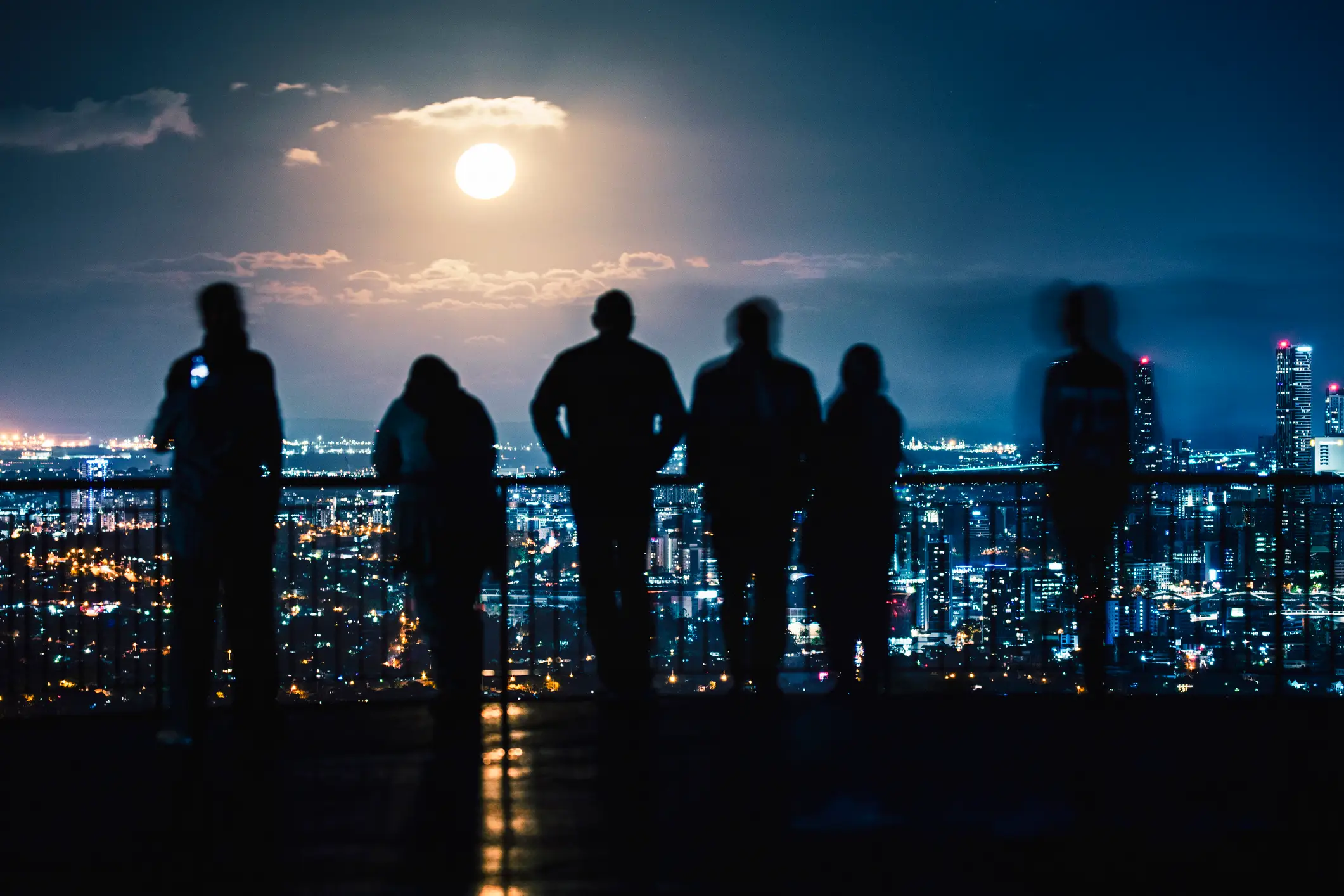
It’ll be close (Getty Stock Images)
Where will Saturn be?
The Harvest Moon and Saturn will be quite close together in the sky on Saturday, according to the BBC.
However, because of the size and distance away from the moon and Earth, the planet will look quite small, and could even be hard to spot under any other conditions that are not clear.
So, if you’re itching to see Saturn, binoculars can help with that.
If you want to see details, such as its rings, then a telescope is required.
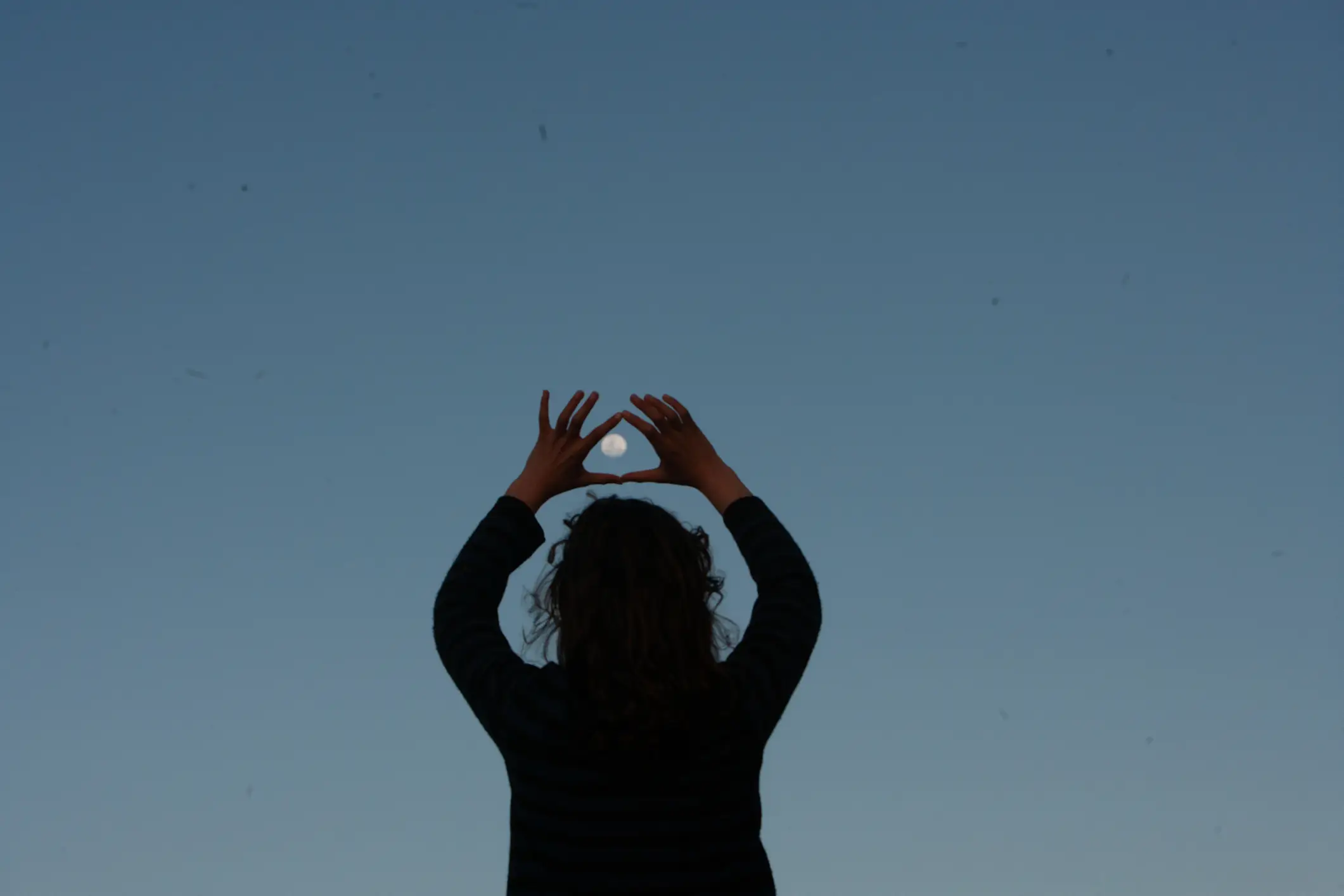
Get those angles (Getty Stock Images)
How can you photograph the Harvest Moon?
Taking a snap of the Harvest Moon isn’t as tricky as you might think, but you will need to avoid a few things to ensure you get the best clarity.
For example, avoiding using excessive zoom can stop it from looking grainy, and bringing a tripod or something flat to put your phone or camera on can stabelise the shot.
From there, you might want to snap it when it’s close to moonrise so you get that night dawn glow, and make sure you’re tapping on the moon on your screen to focus it and avoid the glow overpowering the shot.
Lowering the exposure can also help this, too.
Have a telephoto lens? That’ll make it look professional.
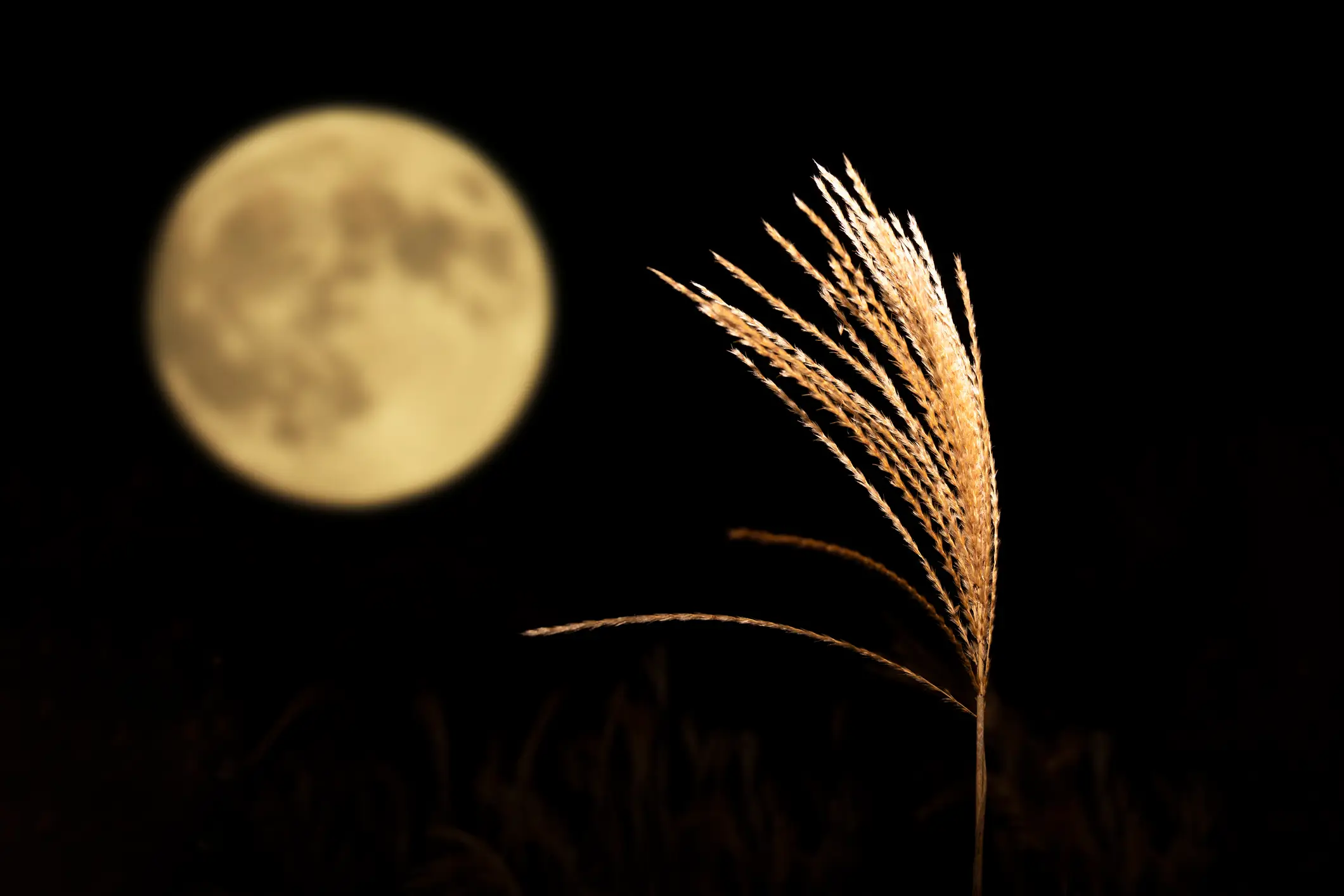
It’s for the harvest season (Getty Stock Images)
Why is it called the Harvest Moon?
It’s a good story. Basically, the Harvest Moon was given its name long ago because it was helpful to farmers working in the fields after sunset.
The orange glow was like a light, illuminating the fields after dark.
“For several evenings, the moon rises very soon after the sun sets, resulting in an abundance of bright moonlight early in the evening. Traditionally, this extra light aided farmers and crews in harvesting their summer-grown crops,” The Old Farmer’s Almanac explained.
The Harvest Moon is the closest to the Northern Hemisphere’s autumn equinox, and also doesn’t have to happen in September – it can be in October too. Around this point in the year, as more moons typically rise closer in dates, the name is more of a seasonal term, rather than a type of moon.
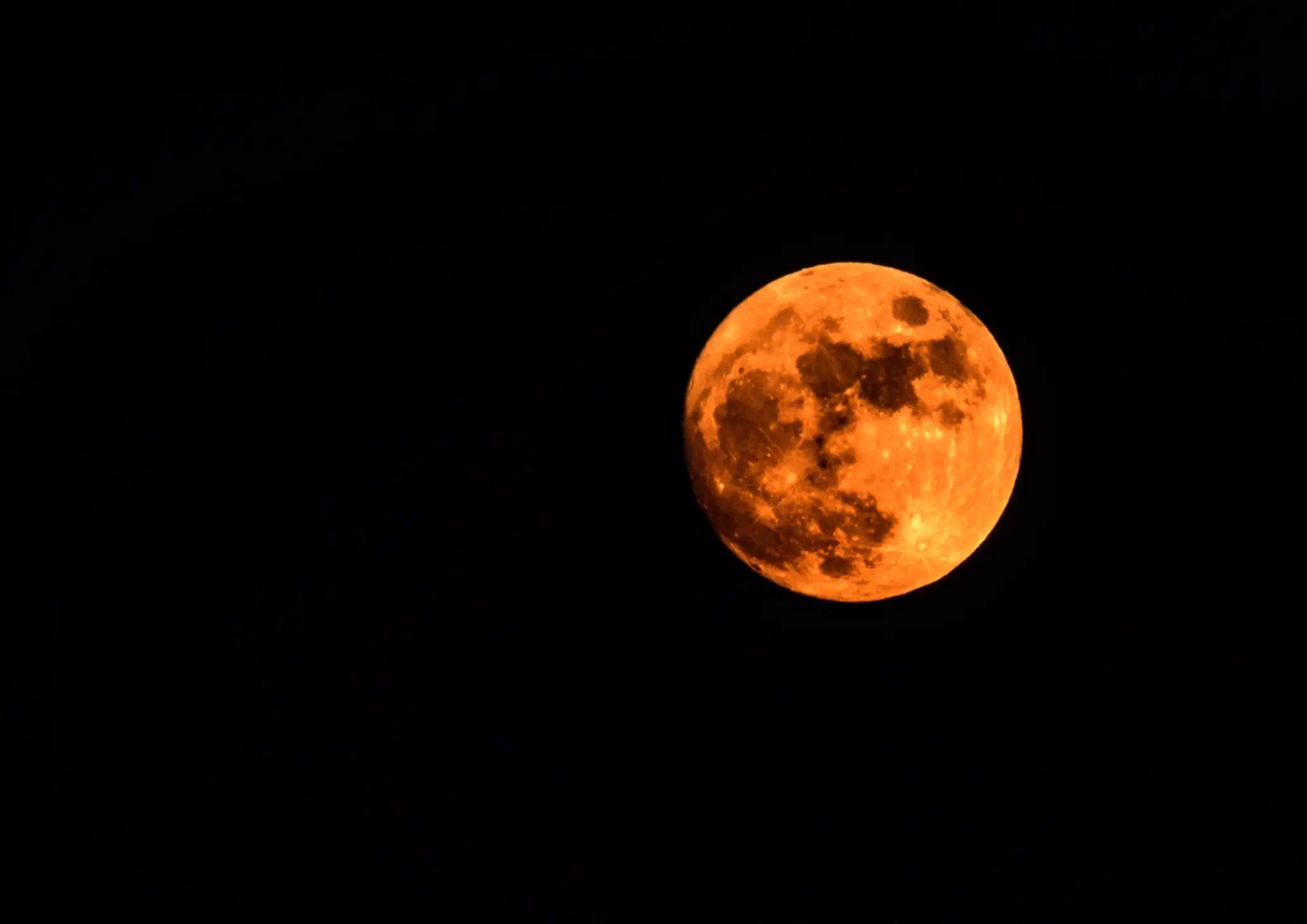
Is it more orange? (Getty Stock Images)
Why does the Harvest Moon look orange and bigger?
Okay, so while the moon itself isn’t bigger or more orange, what is happening is all to do with light.
As reported by the BBC, the moon will look more orange to the human eye because lunar light is filtered through more of the Earth’s atmosphere, as red light becomes denser as opposed to blue light being more scattered.
So, it takes on a more red-ish hue until it rises higher in the sky, where the blue is more abundant.
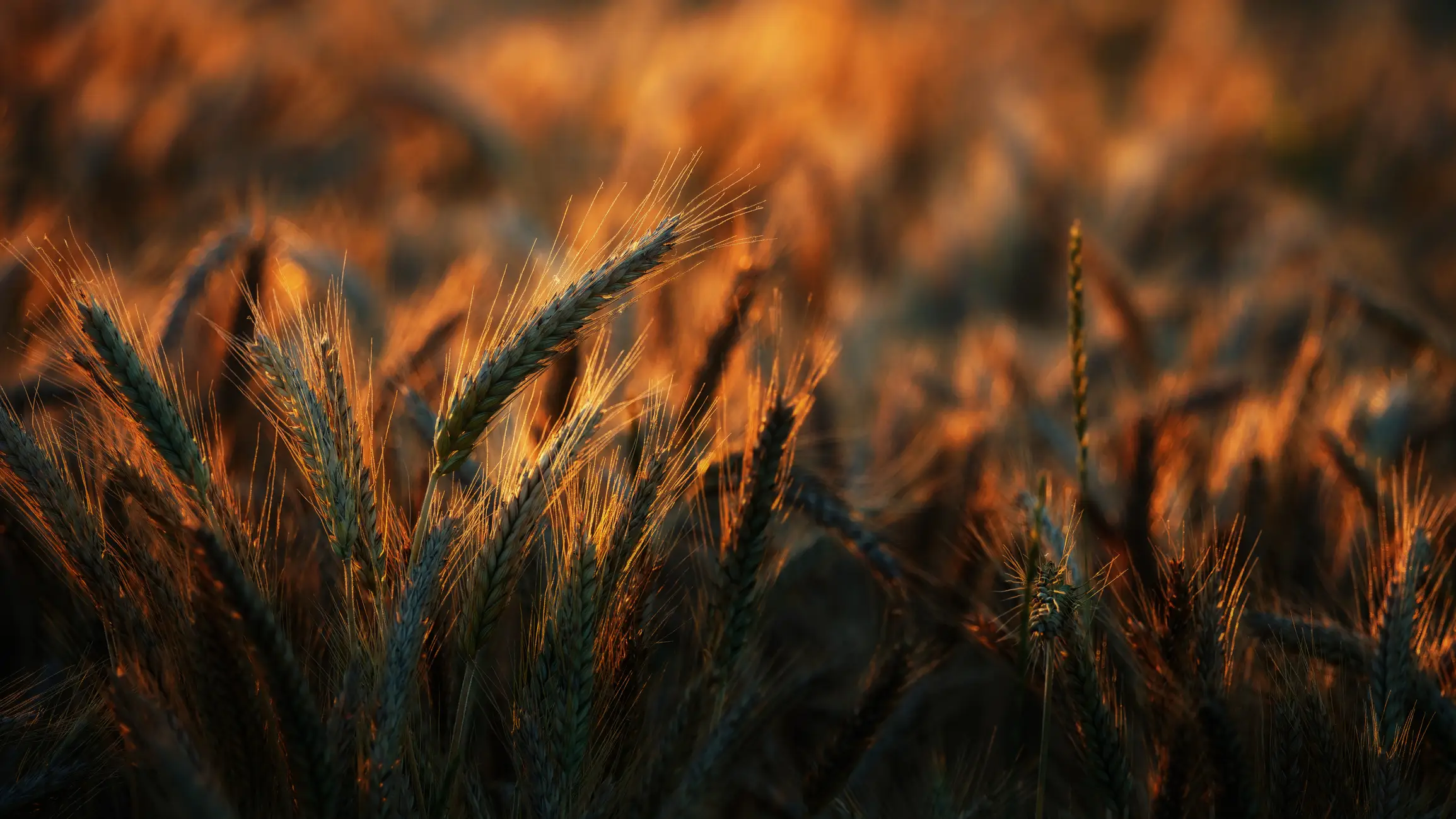
Enjoy a fruitful harvest (Getty Stock Images)
What does the Harvest Moon mean?
Per NASA, the significance of a Harvest Moon is historic, as it notes: “The term ‘harvest moon’ refers to the full, bright Moon that occurs closest to the start of autumn. The name dates from the time before electricity, when farmers depended on the Moon’s light to harvest their crops late into the night. The Moon’s light was particularly important during fall, when harvests are the largest.”
There’s also the fact that different traditions use different names for a full moon around this time. For example, the Corn Moon, which symbolises when corn is ready to harvest, per Time and Date.
Or there’s the Barely Moon, which goes along with the barley harvest.
Essentially, the Harvest Moon means to move from the summer, to Autumn, and its different harvesting properties.
Kinsa Smart,Fever, Digital Medical Baby, Kid and Adult Termometro - Accurate, Fast, FDA Cleared Thermometer for Oral, Armpit or Rectal Temperature Reading - QuickCare
$29.00 (as of September 23, 2026 00:49 GMT +00:00 - More infoProduct prices and availability are accurate as of the date/time indicated and are subject to change. Any price and availability information displayed on [relevant Amazon Site(s), as applicable] at the time of purchase will apply to the purchase of this product.)
RIVER OF GOODS Mid-Century Modern Transitional LED Bronze Chrome Ceiling Fan - 52" L x 52" W - Rich Barnwood/Light Driftwood Fan Blades - Metallic Ceiling Fan with Light and Fabric Shade
(as of September 23, 2026 00:49 GMT +00:00 - More infoProduct prices and availability are accurate as of the date/time indicated and are subject to change. Any price and availability information displayed on [relevant Amazon Site(s), as applicable] at the time of purchase will apply to the purchase of this product.)
Joking Hazard Enlarged Box Empty Box for Card Storage
$12.00 (as of September 23, 2026 00:49 GMT +00:00 - More infoProduct prices and availability are accurate as of the date/time indicated and are subject to change. Any price and availability information displayed on [relevant Amazon Site(s), as applicable] at the time of purchase will apply to the purchase of this product.)
Fire Blanket -Certified 1500F Extra Thick, Glow In The Dark Fireproof Emergency Supplies. 500gsm, 0.5mm Thick Fire Blankets Emergency For Home. 1pc Fire Safety Emergency Blanket 74"x74" By Supa Ant
$50.00 (as of September 23, 2026 00:49 GMT +00:00 - More infoProduct prices and availability are accurate as of the date/time indicated and are subject to change. Any price and availability information displayed on [relevant Amazon Site(s), as applicable] at the time of purchase will apply to the purchase of this product.)


















Post Comment