The Surprising Dating Mistakes You’re Making Before Even Saying Hello—Experts Reveal All

Swipe left, swipe right… it feels like finding love nowadays is just about the perfect swipe or that killer first date, right? But hold on a minute—what if the real magic, or disaster, starts way before you even meet someone special? Dr. Dan Rosenfeld, a savvy California-based dating coach with a Ph.D. in psychology, argues that how you live your single life quietly molds your future romantic escapades. Think about it—could those lonely nights and unhealed heartbreaks be setting you up for all the dating faux pas before you’ve even downloaded the next app? He peels back the curtain on four overlooked areas that might just help you spot what you really need, not just your usual “type,” before diving headfirst into romance. Curious? You might want to rethink what you thought you knew about dating. LEARN MORE
Swiping through profiles and meeting new people may seem like the obvious starting point for anyone hoping to find love in the modern era.
However, according to Dr. Dan Rosenfeld, the more important work may begin long before a promising connection comes along.
The California-based dating coach and author believes the way a person experiences singlehood can quietly shape their romantic choices, emotional responses, and the relationships they eventually form.
Highlights
- A psychologist believes the biggest dating mistakes may happen long before meeting a potential partner.
- Unresolved experiences can quietly shape new connections, influencing reactions and expectations in ways people may not recognize.
- A familiar romantic “type” may feel irresistible, but it could reveal something different about what truly brings happiness.
His advice centers on four often-overlooked areas that could help people better understand their needs and expectations before welcoming someone into their lives.
Learn to be alone before looking for companionship

For those hoping to find a romantic partner, being single can sometimes feel like something that needs fixing.
“Don’t date to escape loneliness. Instead, learn to be at peace while you’re alone,” the psychologist told Newsweek.


Rather than entering a relationship simply because being single feels uncomfortable, they can consider whether the other person genuinely fits into their life.
Rosenfeld’s approach is less about avoiding romance and more about examining the reasons behind seeking it.
Address unresolved emotional wounds before starting something new

Past relationships can leave emotional wounds that do not necessarily disappear when someone new enters the picture.
Therefore, Rosenfeld advised people to “heal before you date,” noting that unresolved trauma “often shows up as jealousy, avoidance or neediness in relationships.”
Those reactions can take different forms.

Rosenfeld argues that such reactions can create difficulties for both people involved.
Understanding attachment styles can reveal recurring relationship patterns

Rosenfeld also says understanding the psychological framework behind those behaviors matters.
Attachment theory, the idea that early bonds with caregivers can shape how people relate to partners as adults, has surged in popularity in recent years, from TikTok therapy content to bestselling relationship books.
Rosenfeld believes the attention surrounding the concept is warranted.

Recognizing where someone falls across these three attachment styles can shed light on everything from why certain partnerships repeatedly unravel to why a seemingly “perfect” match never quite feels satisfying.
Look beyond your usual type to understand what truly makes you happy

Knowing what someone wants in a partner may sound straightforward, but Rosenfeld believes there is an important difference between having a “type” and knowing what actually “makes you happy.”
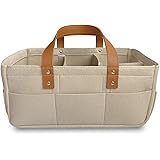
KiddyCare Diaper Caddy Organizer Cart for Nursery Baby Basket Gift for Boy/Girl | Diaper Caddy for Changing Table Basket Organizer with Dividers | Caddy for Baby Stuff Breast Pump Caddy - Regular
$9.95 (as of September 28, 2026 00:51 GMT +00:00 - More infoProduct prices and availability are accurate as of the date/time indicated and are subject to change. Any price and availability information displayed on [relevant Amazon Site(s), as applicable] at the time of purchase will apply to the purchase of this product.)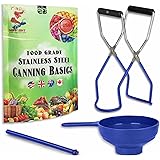
Supa Ant Canning Supplies Starter Kit (Food Grade) - Canning Kits Set for Beginners - 3 Pcs. Including Wide Mouth Jar Funnel, Magnetic Lid Lifter, Stainless Steel Jar Lifter (Assembled in USA) Blue
$11.99 (as of September 28, 2026 00:51 GMT +00:00 - More infoProduct prices and availability are accurate as of the date/time indicated and are subject to change. Any price and availability information displayed on [relevant Amazon Site(s), as applicable] at the time of purchase will apply to the purchase of this product.)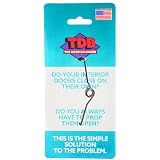
The Door Balancer Eliminates The Need for Door Props, Door Stops and Door Wedges
(as of September 28, 2026 00:51 GMT +00:00 - More infoProduct prices and availability are accurate as of the date/time indicated and are subject to change. Any price and availability information displayed on [relevant Amazon Site(s), as applicable] at the time of purchase will apply to the purchase of this product.)
RIVER OF GOODS LED Boho Ceiling Fan with Hand Woven Brown/Natural Rope - Macrame Knot Work and Hemp Rope Style Eclectic Cottage Decor - 52" L x 52" W - Rich Barnwood/Light Driftwood Fan Blades
(as of September 28, 2026 00:51 GMT +00:00 - More infoProduct prices and availability are accurate as of the date/time indicated and are subject to change. Any price and availability information displayed on [relevant Amazon Site(s), as applicable] at the time of purchase will apply to the purchase of this product.)





















Post Comment