Mysterious ‘American Covid’ Wave Sparks Alarming 50% Surge in Hospital Admissions—What’s Behind the Sudden Spike?

Just when you thought you could tuck away those hand sanitizers for good, along comes another chilly season—and with it, a fresh wave of Covid cases sweeping across the UK. Now, if you’re like me, you’ve probably lost count of how many times that pesky virus has gatecrashed your life since 2019. Hospital admissions are climbing again—up by 50 percent in just a week, according to the UK Health Security Agency—while positive tests in hospitals have nudged up too. London’s feeling the heat in particular, grappling with an 80 percent jump in Covid-related admissions. But here’s the twist: doctors say there’s less cause for panic this time around. So, what’s different about this latest surge, and should we be cracking the window open or just reaching for another sweater? Dive in to find out more about this ‘American Covid’ variant and how to navigate the season ahead. LEARN MORE.
Doctors have weighed in as a new wave of Covid is sweeping through the UK as we head towards winter.
By now most of us have picked up the Covid virus at least once since it began spreading across the world like wildfire back in 2019.
And as we move towards the colder months of the year, cases are on the rise again with recent stats from the UK Health Security Agency (UKHSA) showing a 50 percent rise in hospital admissions relating to Covid in just one week.
Alongside that, the number of positive hospital Covid tests has gone from 5.9 percent to seven percent.
According to the Daily Mail, the rise has been particularly felt in London, where Covid-related hospital admission has jumped by nearly 80 percent in a single week.

Doctors have weighed in on the rise of Covid cases (Christopher Furlong/Getty Images)
Thankfully, most medics agree that folks don’t need to be as concerned about the numbers as we all were four years ago.
Speaking to the Daily Mail, Dr Matthew Siggins, lecturer in immunity and infection biology at the University of Surrey, said the increase in cases was ‘not unexpected at this time of year’ and that the rise in admissions is ‘still classified as a baseline level’.
The rise in cases is driven by a strain known as XFG – dubbed ‘American Covid’ – which was first detected early last year and has since spread in both the US and UK.
General Practitioner Dr Renée Hoenderkamp told the Daily Mail that the symptoms she’s commonly seeing with recent Covid infections are sore throats, headaches, runny noses and fatigue.
Dr Hoenderkamp said the American Covid strain is ‘very flu-like’ and that the symptoms for most folks who pick it up will be mild.
However, that isn’t the case for everyone, with Professor Emma Wall, a clinical professor of infectious diseases at Queen Mary University of London, telling the publication that it will be more hard-going for some.
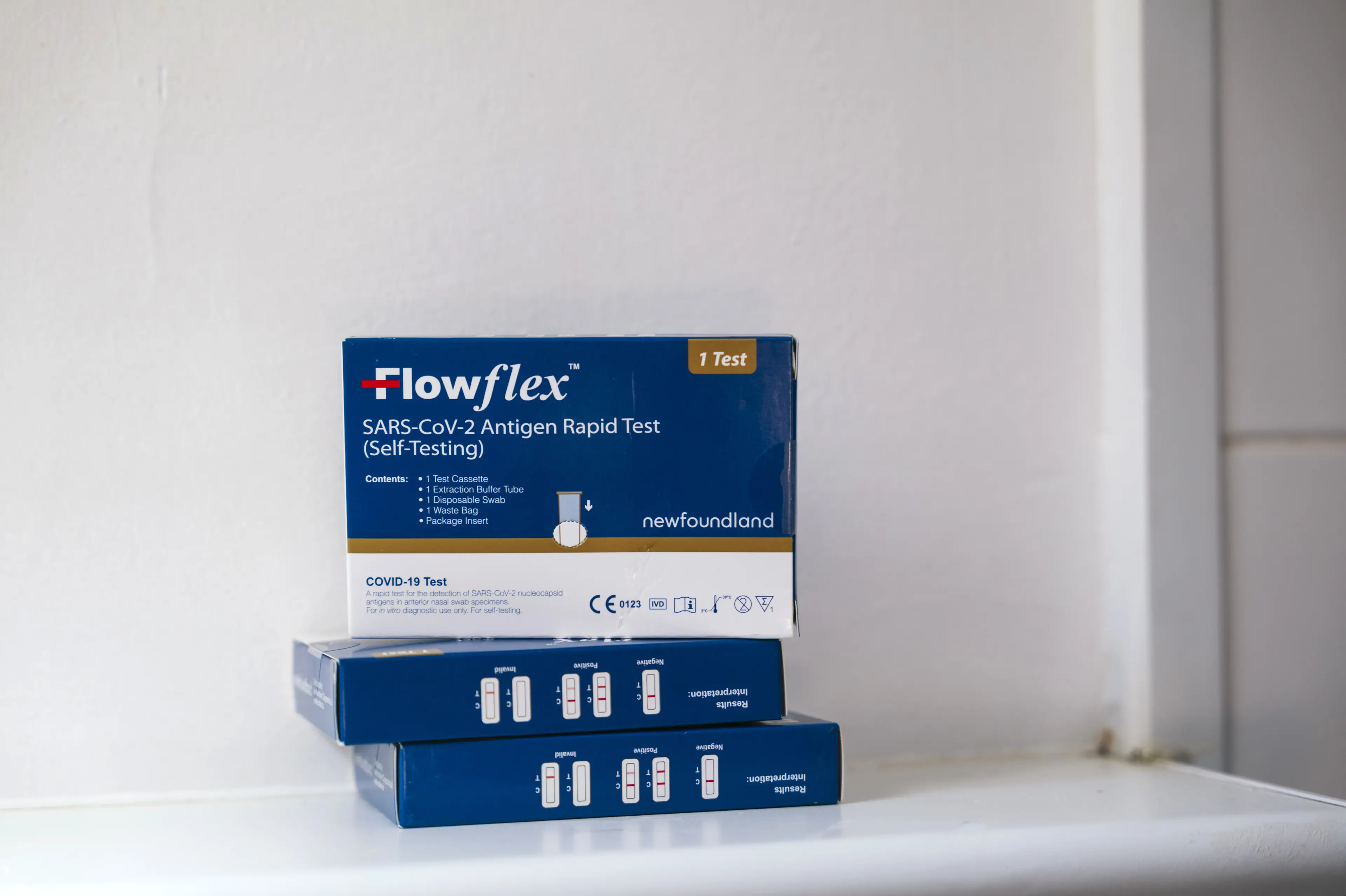
Covid case are on the rise again as we head into the colder months (Jose Sarmento Matos/Bloomberg via Getty Images)
She shared: “Some people will be floored by an infection while others remain asymptomatic, and we don’t yet completely understand the biology behind that.
“Some people have very effective T-cells that clear an infection before you know you’ve got it, while in others they can stimulate an inflammatory response to the infection that affects the whole body, which is probably part of what makes some people feel so ill.”
What to do if you get Covid this winter
If you do happen to find yourself struck down with Covid this autumn or winter, the NHS recommends people try to stay at home and limit contact with others if you have Covid symptoms and either a high temperature or you don’t feel well enough to go to work or carry out your usual activities.
“You can go back to your normal activities when you feel better or do not have a high temperature,” the guidelines say.
If you take a positive test, the NHS says to try and stay at home for five days after you have taken the test and avoid meeting people who are more likely to get seriously ill from infections, such as people with a weakened immune system, for 10 days.
Other than that, ensuring you get plenty of rest, drink lots of water, take paracetamol or ibuprofen if you need it, and turning the heating down can all help to make you feel better.
Joking Hazard by Cyanide & Happiness - 360+ Funny & Inappropriate Comic Cards, Hilarious Party Games | Includes Add-Your-Own-Words Cards
$24.95 (as of October 2, 2026 00:54 GMT +00:00 - More infoProduct prices and availability are accurate as of the date/time indicated and are subject to change. Any price and availability information displayed on [relevant Amazon Site(s), as applicable] at the time of purchase will apply to the purchase of this product.)
RIVER OF GOODS Coastal 52 Inch Wooden Bead LED Ceiling Fan, Brown
(as of October 2, 2026 00:54 GMT +00:00 - More infoProduct prices and availability are accurate as of the date/time indicated and are subject to change. Any price and availability information displayed on [relevant Amazon Site(s), as applicable] at the time of purchase will apply to the purchase of this product.)
Kinsa Smart,Fever, Digital Medical Baby, Kid and Adult Termometro - Accurate, Fast, FDA Cleared Thermometer for Oral, Armpit or Rectal Temperature Reading - QuickCare
$29.00 (as of October 2, 2026 00:54 GMT +00:00 - More infoProduct prices and availability are accurate as of the date/time indicated and are subject to change. Any price and availability information displayed on [relevant Amazon Site(s), as applicable] at the time of purchase will apply to the purchase of this product.)
1MORE Triple Driver In-Ear Headphones - Silver - Wired - Adult - In Ear - 18 grams - 90 days limited warranty
(as of October 2, 2026 00:54 GMT +00:00 - More infoProduct prices and availability are accurate as of the date/time indicated and are subject to change. Any price and availability information displayed on [relevant Amazon Site(s), as applicable] at the time of purchase will apply to the purchase of this product.)



















Post Comment