Roman Child’s 1,800-Year-Old Sarcophagus Packed With Mysterious Ancient Toys Unearthed in Romania
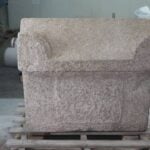
Ever wonder what a Roman kid’s toy box looked like… 1,800 years ago? Well, archaeologists just stumbled upon a seriously rare time capsule near the ancient city of Tomis in what’s now Romania — a sealed sarcophagus housing a young child’s remains, along with flower garlands, clay toys, and not one, but two bulla pendants, those iconic little amulets worn by freeborn Roman boys to keep bad juju at bay. Picture this: a tiny wooden coffin, nearly intact after all these centuries, filled with the sweet echoes of a childhood long passed — a rooster-shaped rattle, a horse on wheels, even coins and floral offerings that somehow survived the test of time. It’s like unearthing a snapshot of Roman family life, one that begs the question: what stories did these burial goods whisper about the child, their family, and the funerary customs of a bustling Black Sea trading hub? Buckle up, because this discovery is about to reshape how we peek into the souls of ancient Roman childhoods — or at least, that’s the hope as researchers carefully crack open this mysterious box.
The Roman-era sarcophagus held the remains of flower garlands, clay toys, and two bulla pendants that were typically worn by freeborn Roman boys.

Constanța Museum of National History and Archaeology/FacebookArchaeologists discovered a Roman child’s sarcophagus near the ancient city of Tomis in present-day Romania.
Archaeologists from the Constanța Museum of National History and Archaeology in Romania recently announced the discovery of a rare, sealed Roman-era sarcophagus belonging to a young child.
The team discovered the tomb at a necropolis near the ancient city of Tomis, which was located along the Black Sea. Although the researchers have not yet determined the age and gender of the child, they hope the range of burial goods — including toys, coins, and protective amulets — will reveal more about funerary rituals in the Roman city.
The Discovery Of The Roman Child’s Burial
The tomb was discovered around a mile from Tomis, along a road that led to the nearby city of Histria in ancient times, according to a social media post by the museum.

Constanța Museum of National History and Archaeology/FacebookResearchers uncovered the child’s skeletal remains encased in a well-preserved wooden coffin.
The Roman necropolis in Tomis was used during the second and third centuries C.E. According to Romanian news service Agerpres, archaeologist Constantin Bajenaru called the find “exceptional and extremely rare.”
The stone sarcophagus, fit for a child, was sealed with lead clamps and mortar. Due to the tomb’s fragile condition, the team opened the box in the controlled environment of the museum.
Beneath the lid, the researchers found the skeletal remains of a young child encased in an exceptionally well-preserved wooden coffin.

Constanța Museum of National History and Archaeology/FacebookThe child was buried with a clay rattling toy shaped like a rooster.
The team also found plant remains that were likely floral offerings for the child. The organic materials were remarkably intact considering that they were placed in the sarcophagus 1,800 years ago. Even individual leaves survived.
In addition, archaeologists unearthed various grave goods, including a coin, two clay toys, and two bulla pendants.

Constanța Museum of National History and Archaeology/FacebookArchaeologists also discovered a clay horse toy with two wheels.
One of the toys was a horse on wheels, and the second was shaped like a rooster and had rattling objects inside. This leads archaeologists to believe that the child was just a baby at the time of their death. Further analysis is currently ongoing to determine the age and sex of the deceased — and what the burial can tell us about ancient Roman funerary practices in Romania.
What This Find Could Reveal About Funerary Practices In Tomis
Experts have high hopes that this discovery will reveal more information about Tomis, a city that was founded in the sixth century B.C.E. by Greek colonists. Due to its position on the Black Sea, the settlement became a prominent center of commerce. By the late first century B.C.E., Tomis had fallen under Roman control, and it remained a key trade hub for the empire.
This rare child tomb discovered in Tomis’ necropolis offers insight into childhood and familial connections in the ancient city.

Constanța Museum of National History and Archaeology/FacebookThe research team hopes that further analysis of the sarcophagus will reveal more about funerary practices in Roman-era Tomis.
For instance, the two bulla pendants found in the tomb served as protective jewelry and were associated with Roman citizenship. They were traditionally worn by free boys, as opposed to enslaved children. The pendants were meant to protect the boys from evil spirits, and they were typically worn until the transition to adulthood.
Although the pendants may be a clue about the biological sex of the child, researchers have not yet confirmed these suspicions with scientific analysis of the skeletal remains. The child’s exact age at the time of their death is also undetermined, but they were likely younger than four years old.

Supa Ant Canning Supplies Starter Kit (Food Grade) - Canning Kits Set for Beginners - 3 Pcs. Including Wide Mouth Jar Funnel, Magnetic Lid Lifter, Stainless Steel Jar Lifter (Assembled in USA) Blue
$9.99 (as of November 3, 2026 01:06 GMT +00:00 - More infoProduct prices and availability are accurate as of the date/time indicated and are subject to change. Any price and availability information displayed on [relevant Amazon Site(s), as applicable] at the time of purchase will apply to the purchase of this product.)
1MORE Triple Driver In-Ear Headphones - Silver - Wired - Adult - In Ear - 18 grams - 90 days limited warranty
(as of November 3, 2026 01:06 GMT +00:00 - More infoProduct prices and availability are accurate as of the date/time indicated and are subject to change. Any price and availability information displayed on [relevant Amazon Site(s), as applicable] at the time of purchase will apply to the purchase of this product.)
Joking Hazard by Cyanide & Happiness - 360+ Funny & Inappropriate Comic Cards, Hilarious Party Games | Includes Add-Your-Own-Words Cards
$24.95 (as of November 3, 2026 01:06 GMT +00:00 - More infoProduct prices and availability are accurate as of the date/time indicated and are subject to change. Any price and availability information displayed on [relevant Amazon Site(s), as applicable] at the time of purchase will apply to the purchase of this product.)
Fire Cloak - 1500F CE Certified Emergency Fire Blanket for Home & Kitchen | 500GSM Fabric & 0.5mm Thick - Silicon Coated 100% Fiberglass Essentials in House, Warehouse Office - 39"L x 47"W by Supa Ant
$73.99 (as of November 3, 2026 01:06 GMT +00:00 - More infoProduct prices and availability are accurate as of the date/time indicated and are subject to change. Any price and availability information displayed on [relevant Amazon Site(s), as applicable] at the time of purchase will apply to the purchase of this product.)




















Post Comment