Hidden Secrets Unveiled: Underground Railroad Hideout Found Within New York’s Merchant’s House
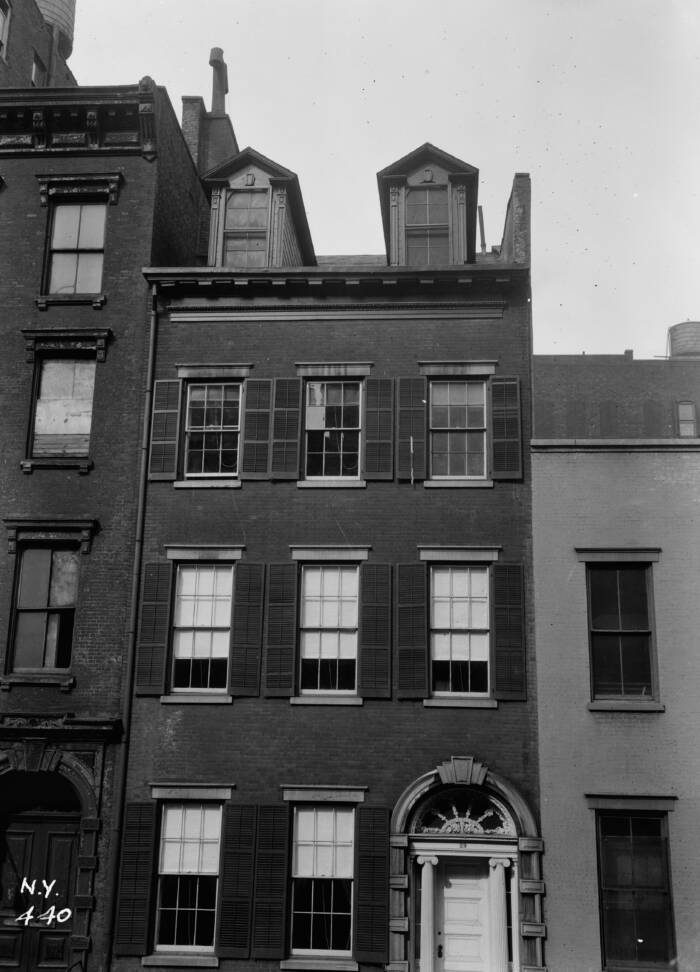
Ever wonder what secrets an old Manhattan rowhouse could be hiding behind its polished walls and spotless museum showcases? Turns out, the Merchant’s House Museum isn’t just a quaint peek into 19th-century life—it’s a hushed shrine to courage and cunning, built by abolitionist Joseph Brewster in 1832. Decades after Brewster’s hat business packed up, a secret passage was discovered inside a built-in dresser, sparking curiosity that eventually unveiled its chilling role as a stop on the Underground Railroad. Yep, while New York City might seem like a bustling metropolis today, back then it was a risky refuge for those fleeing slavery, and Brewster’s home was a clandestine safe haven in this perilous urban maze. Think of it: a hidden ladder descending into shadows, carrying the hopes of freedom seekers just a heartbeat away from danger. Intrigued? So am I. LEARN MORE
The Merchant’s House Museum in Manhattan was built by abolitionist Joseph Brewster in 1832 — and a secret passage behind its walls now appears to have been a stop on the Underground Railroad.
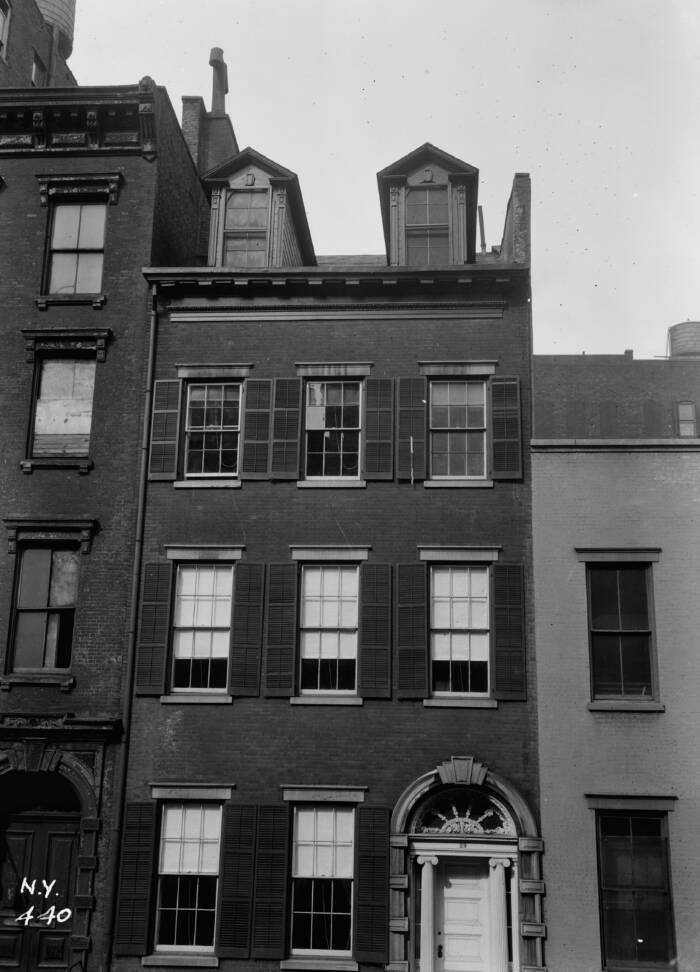
Public DomainThe Merchant’s House Museum in 1936, the year it opened to the public.
In 1832, Manhattan merchant Joseph Brewster built a rowhouse in the area now known as the East Village. This historic home was transformed into a museum a century later, whereupon curators learned of a secret passage connecting a second-story hallway to the basement, but they weren’t sure of its purpose.
Now, however, that hidden passageway has been linked to the Underground Railroad. Extensive research has revealed that Brewster was a fervent abolitionist, and historians believe that he built his home to serve as a safe haven for enslaved people trying to escape to the north during a time when even New York City wasn’t safe for fugitives seeking freedom.
The History Of The Merchant’s House Museum
Joseph Brewster was a wealthy hat merchant who built a towering residence on 4th Street in 1832. Three years later, he sold the house to the Tredwell family, who lived there for the next century. Then, in 1936, it opened to the public as a museum showcasing a perfectly preserved 19th-century rowhouse.
Because Brewster lived in the home for just three years, the Merchant’s House Museum mostly focused on the history and belongings of the Tredwells. However, some odd choices that Brewster made during the building’s construction have long piqued the curiosity of historians.
Pulling out the bottom drawer of a built-in dresser located in a hallway between two bedrooms on the home’s second story reveals a small opening cut into the floorboards. Inside is a ladder that descends 15 feet to what would have been a basement pantry at the time the rowhouse was built.
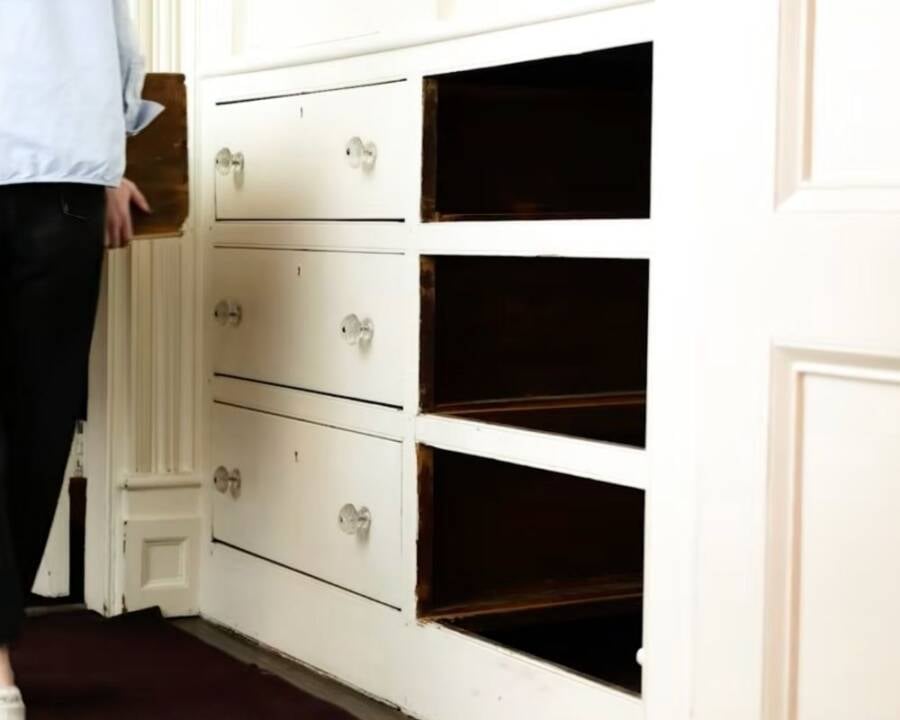
Merchant’s House Museum/YouTubeA built-in dresser conceals the hidden passageway that’s been linked to the Underground Railroad.
Emily Hill-Wright, the museum’s director of operations, told ABC 7, “The story goes in our institutional archives that painters came and they removed the drawers to paint. And that’s when the passage was discovered.” But for years, nobody knew why it was there.
At first, museum officials assumed that it may have been a laundry chute or a secret space for children to play in. But no similar houses from the time period had such passages.
Then, two years ago, museum historian Ann Haddad started looking into Joseph Brewster’s past – and made a discovery that explained everything.
The Discovery Of A Secret Underground Railroad Stop In New York City
Haddad’s research revealed that Brewster wasn’t just a successful merchant: He was an ardent abolitionist. He signed at least two anti-slavery petitions during his lifetime, and he used his wealth to found three anti-slavery churches. One of them, located just a few blocks away from the Merchant’s House Museum, was constructed with a false floor, per Brewster’s instructions. This suggests that the church may have been used to shelter freedom-seekers trying to flee northward via the Underground Railroad.
And Brewster’s own home was seemingly another stop along the way. The rowhouse’s original kitchen and pantry were renovated long ago, but they may have once opened into an alleyway behind the residence. The passage beneath the upstairs dresser could have provided both a short-term hiding place and secret escape path for any enslaved men, women, or children who were concealed in Brewster’s house.
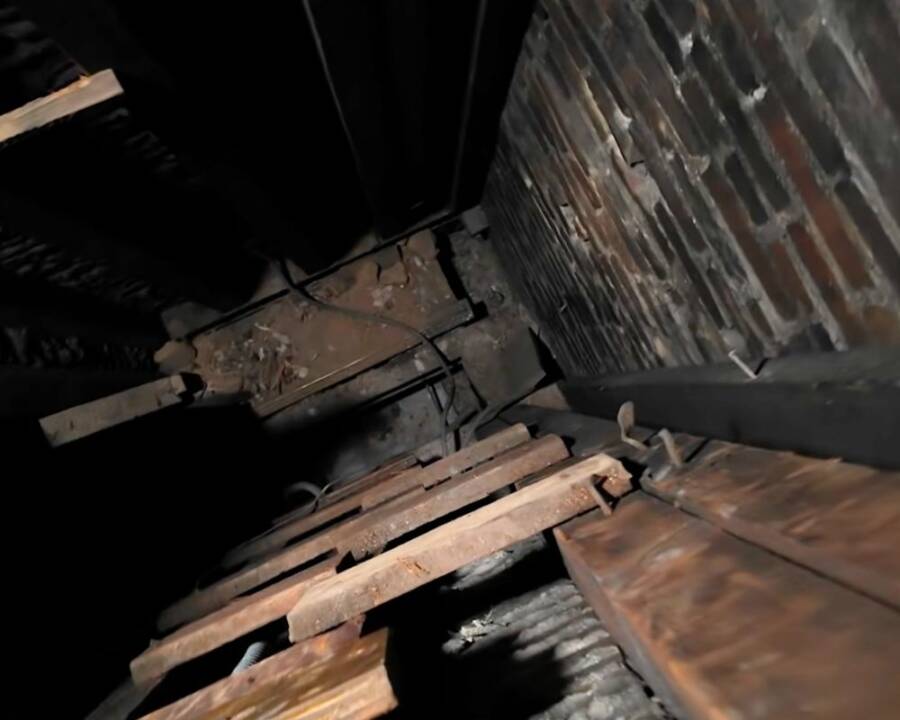
Merchant’s House Museum/YouTubeA makeshift ladder descends 15 feet from a bedroom area into what was once a basement pantry.
Although slavery was abolished in New York in 1827, New York City remained pro-slavery throughout the early 19th century, and fugitive slave catchers essentially had free rein in Manhattan.
“In New York, at the time, it was extremely dangerous for Black New Yorkers, but it was also dangerous for the people who assisted,” said Hill-Wright. “Freedom seekers really were risking their livelihoods and their lives. There are no other spaces that really still exist intact like this. And so that’s part of what makes this passage such an important find.”

Rhythm Superfoods Beet Chips Organic and Non GMO Vegan Gluten Free Snacks, Naked, 1.4 Ounce (Pack of 4)
(as of March 3, 2026 16:43 GMT +00:00 - More infoProduct prices and availability are accurate as of the date/time indicated and are subject to change. Any price and availability information displayed on [relevant Amazon Site(s), as applicable] at the time of purchase will apply to the purchase of this product.)
Rhythm Superfoods Cripsy Beet Chips, Salted, Organic and Non-GMO, Vegan/Gluten-Free Superfood Snacks, 1.4 Oz (Pack of 4)
(as of March 3, 2026 16:43 GMT +00:00 - More infoProduct prices and availability are accurate as of the date/time indicated and are subject to change. Any price and availability information displayed on [relevant Amazon Site(s), as applicable] at the time of purchase will apply to the purchase of this product.)
RIVER OF GOODS LED Boho Ceiling Fan with Hand Woven Brown/Natural Rope - Macrame Knot Work and Hemp Rope Style Eclectic Cottage Decor - 52" L x 52" W - Rich Barnwood/Light Driftwood Fan Blades
(as of March 3, 2026 16:43 GMT +00:00 - More infoProduct prices and availability are accurate as of the date/time indicated and are subject to change. Any price and availability information displayed on [relevant Amazon Site(s), as applicable] at the time of purchase will apply to the purchase of this product.)
RIVER OF GOODS Farmhouse LED Ceiling Fan - 52" L x 52" W - Metal Caged Fixture - Rich Barnwood/Light Driftwood Fan Blades
(as of March 3, 2026 16:43 GMT +00:00 - More infoProduct prices and availability are accurate as of the date/time indicated and are subject to change. Any price and availability information displayed on [relevant Amazon Site(s), as applicable] at the time of purchase will apply to the purchase of this product.)