Inside the Mind of the ‘Godfather of Looksmaxxing’: What Drew Him to a Controversial and Risky Trend?
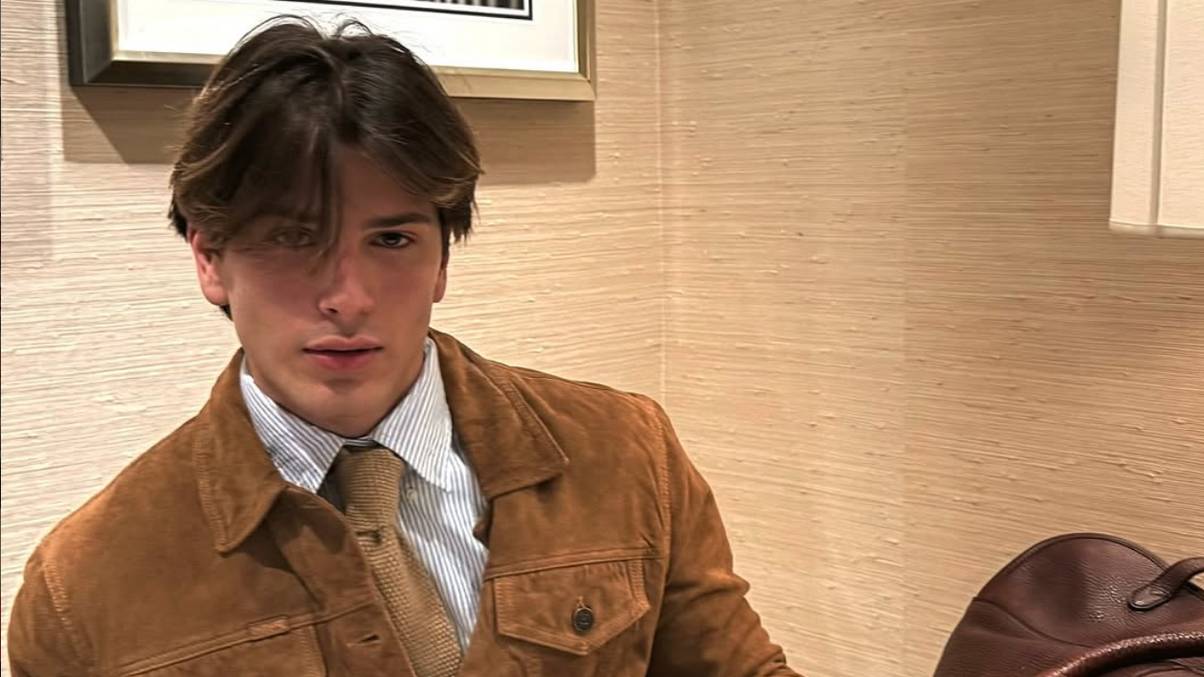
Ever wonder what it takes to become the self-proclaimed “Godfather of looksmaxxing”? Kareem Shami, better known as Syrian Psycho on TikTok and Instagram, isn’t just flexin’ his jawline and new haircut for the ’Gram—he’s got a story that’s part hustle, part heartbreak. From fleeing war-torn Syria to dodging bullies in Lebanon and then showing up on American shores as an eager university teen, Kareem’s journey into the looksmaxxing craze—where men try everything from mechanical jaw exercises to full-on plastic surgery—sprang from a deep need to rewrite his own narrative. Now, with over 2 million followers hanging on his every glow-up tip, this trend has drawn cheers and jeers alike, with experts cautioning that it might just be a slippery slope into dangerous territory. So, what happens when the quest for physical perfection meets the brutal reality of online pressures? Spoiler: It’s messier than a filter war on TikTok.
The self-declared ‘Godfather of looksmaxxing’ has revealed the reason he first got into the TikTok trend, which has been described as ‘damaging’ by some.
Kareem Shami lives the glamorous life of a social media influencer, having amassed more than 2 million followers across TikTok and Instagram, but life hasn’t always been this way.
The content creator regularly posts about the concept of ‘looksmaxxing,’ an online subculture in which men attempt to maximise their physical attraction through various different methods, including extremes like plastic surgery.
Now in his early 20s, Shami, who goes by the handle Syrian Psycho on social media, has shared his own transformation, through so-called softmaxxing, which included building a regimental workout routine to improve his physique, completing acne treatment, a new hairstyle and ‘mewing’ to define his jawline.

Shami has become a poster boy for looksmaxxing (@syrianpsycho/Instagram)
For Shami, the desire to change his appearance first stemmed from his experience fleeing war in Syria as a youngster and settling in Lebanon, where he was bullied for the way he looked.
“I was the only Syrian and was quite white-looking, despite being Arab,” he told the Guardian back in 2024. “I was deemed an outcast and it triggered something in me.”
After moving to the United States for university, the then-teen started making changes to improve his confidence, but he wasn’t familiar with the idea of looksmaxxing until 2022, when a video showing the difference in his appearance between the ages of 17 and 20 went viral.
Despite embracing the idea of looksmaxxing, the influencer says he rejects the ‘incel’ origins of the concept, in which ‘involuntary celibate’ heterosexual men blame women for their inability to find a romantic or sexual partner.
While Shami appears to have made changes to his physical appearance using softer methods, experts have warned the trend of looksmaxxing may be a danger to teenage boys and young men, acting as a gateway to the toxic manosphere.
Dr Stuart Murray, director of the Eating Disorders Program at the University of Southern California, has warned that the very specific way in which men are being encouraged to change their appearance could lead to very real psychological damage.
“If we fall into the trap of dissatisfaction and low self-esteem, if you’re diluting yourself down to a number or a skin tone, or an angular tilt of your face, it reduces your value as a person,” he told the BBC. We want men to focus on more sustainable ways to generate their self-esteem and identity.”
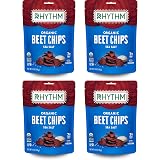
Rhythm Superfoods Cripsy Beet Chips, Salted, Organic and Non-GMO, Vegan/Gluten-Free Superfood Snacks, 1.4 Oz (Pack of 4)
(as of March 3, 2026 16:43 GMT +00:00 - More infoProduct prices and availability are accurate as of the date/time indicated and are subject to change. Any price and availability information displayed on [relevant Amazon Site(s), as applicable] at the time of purchase will apply to the purchase of this product.)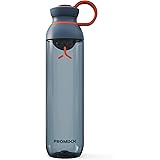
Promixx FORM Sports Water Bottle - Premium BPA Free Water Bottle for Fitness Sports & Outdoors - Sustainable Drinks Bottle with Measurement Markers and Leakproof Lid - 760ml / 26oz (Midnight Blue)
$19.99 (as of March 3, 2026 16:43 GMT +00:00 - More infoProduct prices and availability are accurate as of the date/time indicated and are subject to change. Any price and availability information displayed on [relevant Amazon Site(s), as applicable] at the time of purchase will apply to the purchase of this product.)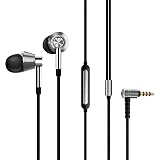
1MORE Triple Driver in-Ear Earphones Hi-Res Headphones with High Resolution, Bass Driven Sound, MEMS Mic, in-Line Remote, High Fidelity for Smartphones/PC/Tablet - Silver
(as of March 3, 2026 16:43 GMT +00:00 - More infoProduct prices and availability are accurate as of the date/time indicated and are subject to change. Any price and availability information displayed on [relevant Amazon Site(s), as applicable] at the time of purchase will apply to the purchase of this product.)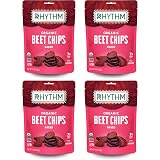
Rhythm Superfoods Beet Chips Organic and Non GMO Vegan Gluten Free Snacks, Naked, 1.4 Ounce (Pack of 4)
(as of March 3, 2026 16:43 GMT +00:00 - More infoProduct prices and availability are accurate as of the date/time indicated and are subject to change. Any price and availability information displayed on [relevant Amazon Site(s), as applicable] at the time of purchase will apply to the purchase of this product.)