Inside the Wild World: What a Polar Bear’s GoPro Reveals Will Shock You
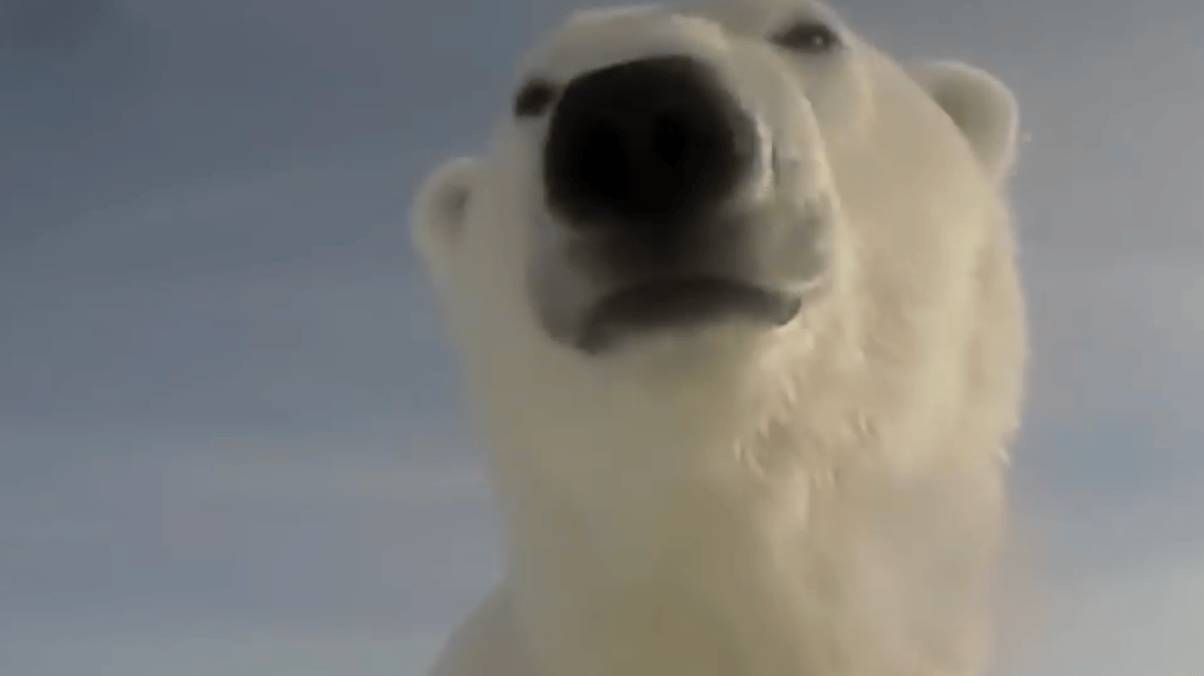
Ever wondered what a day in the life of a polar bear looks like — without the awkward presence of humans tagging along with giant cameras? Yeah, me too. Turns out, these Arctic giants aren’t just cute fluffy monsters; they’re also secretive ambush artists who can wait nearly half a day at a seal’s breathing hole. But getting up close with one? Not exactly a picnic, unless your idea of fun involves possibly becoming dinner. That’s why some genius researchers strapped GoPro cameras onto polar bears themselves, capturing jaw-dropping, behind-the-scenes footage that reveals their true hustle on the ice—hunting, chilling, and living the frozen dream. This tech-savvy approach not only keeps humans safe but also unearths fresh insights on the bears’ energy game and social life, stuff we hadn’t seen in decades. Curious how these colossal creatures keep themselves fed and fierce in the world’s chilliest office? Dive into this wild ride of frozen reality filmed by the bears themselves. LEARN MORE.
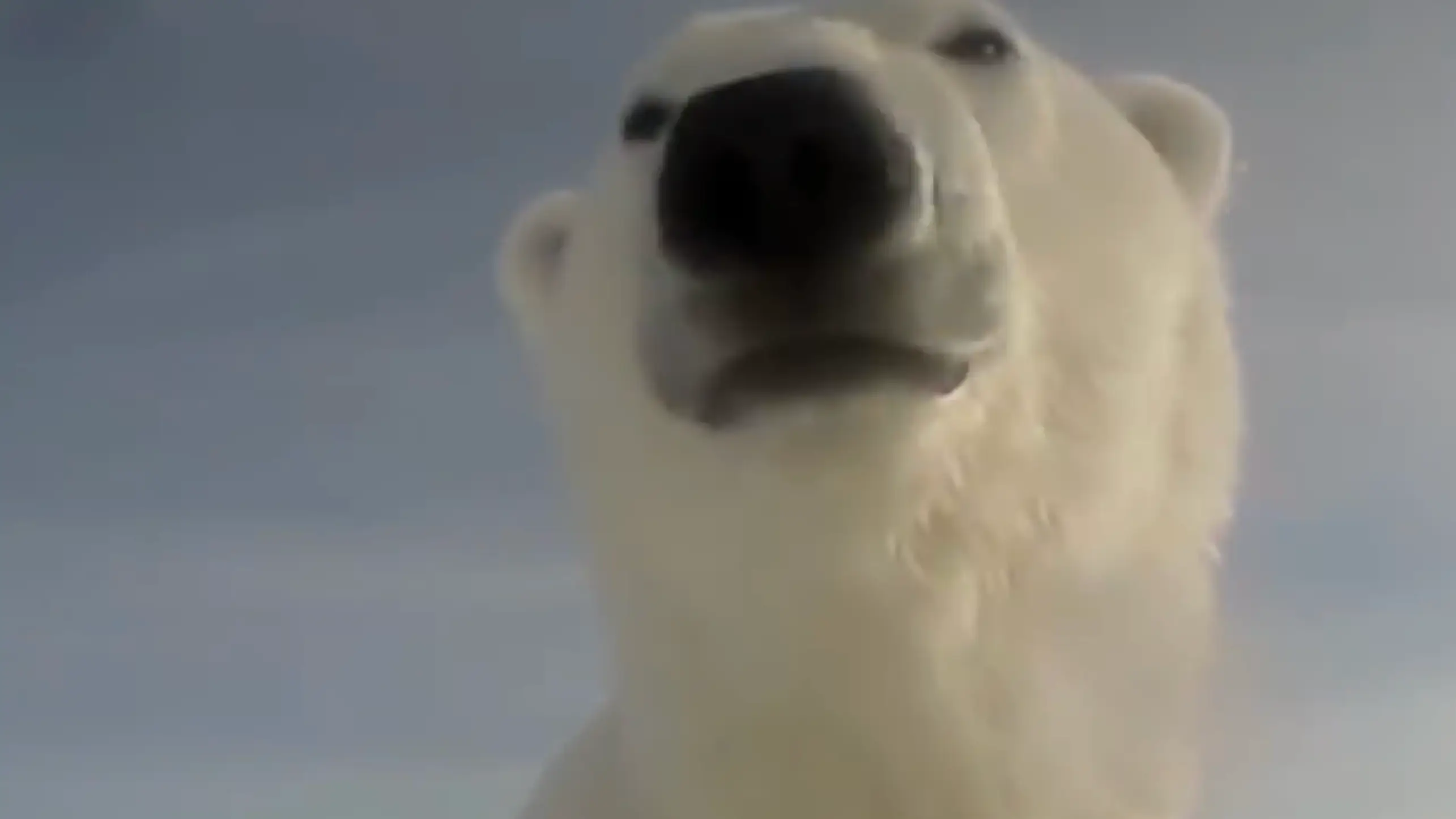
Getting close to polar bears is a dangerous business as they’re man-eating machines, which makes it difficult for researchers to observe them in their natural habitat.
Fortunately, fitting them with a GoPro means the bears can film their own slice of life footage without putting people in danger and that’s exactly what a team of researchers from the US Geological Survey did.
The footage from 2014 shows the magnificent animals going about their day in the wild, as before that point most of what had been known about polar bears came from a study conducted over 40 years earlier.
By fitting polar bears with camera collars, a team led by Anthony Pagano were able to see how they hunted, ate and rested in the frozen conditions they called home.
Or they would call home if polar bears were capable of speech.
Pagano explained that his team was studying ‘polar bear energy expenditure’, because these big beasts need to eat a lot to sustain their powerful form and hunting habits.
The scientist explained the polar bears roamed in areas as cold as -30C which meant researchers had a tough time getting out there for an extended period of time.
He said: “There’s very little information that exists on the basic behaviours of these animals on the sea ice.
“So the video camera collars actually provide us actual insight into what the bears are doing on the sea ice, what their typical activity patterns are.
“How active they are on the sea ice, how often they are actually catching seals, how often they are actually spending on trying to catch seals and how often they’re actually encountering other bears and other behaviours that they might exhibit on the sea ice that for us as researchers we have very few opportunities to actually see.”
“Help…” (USGS)
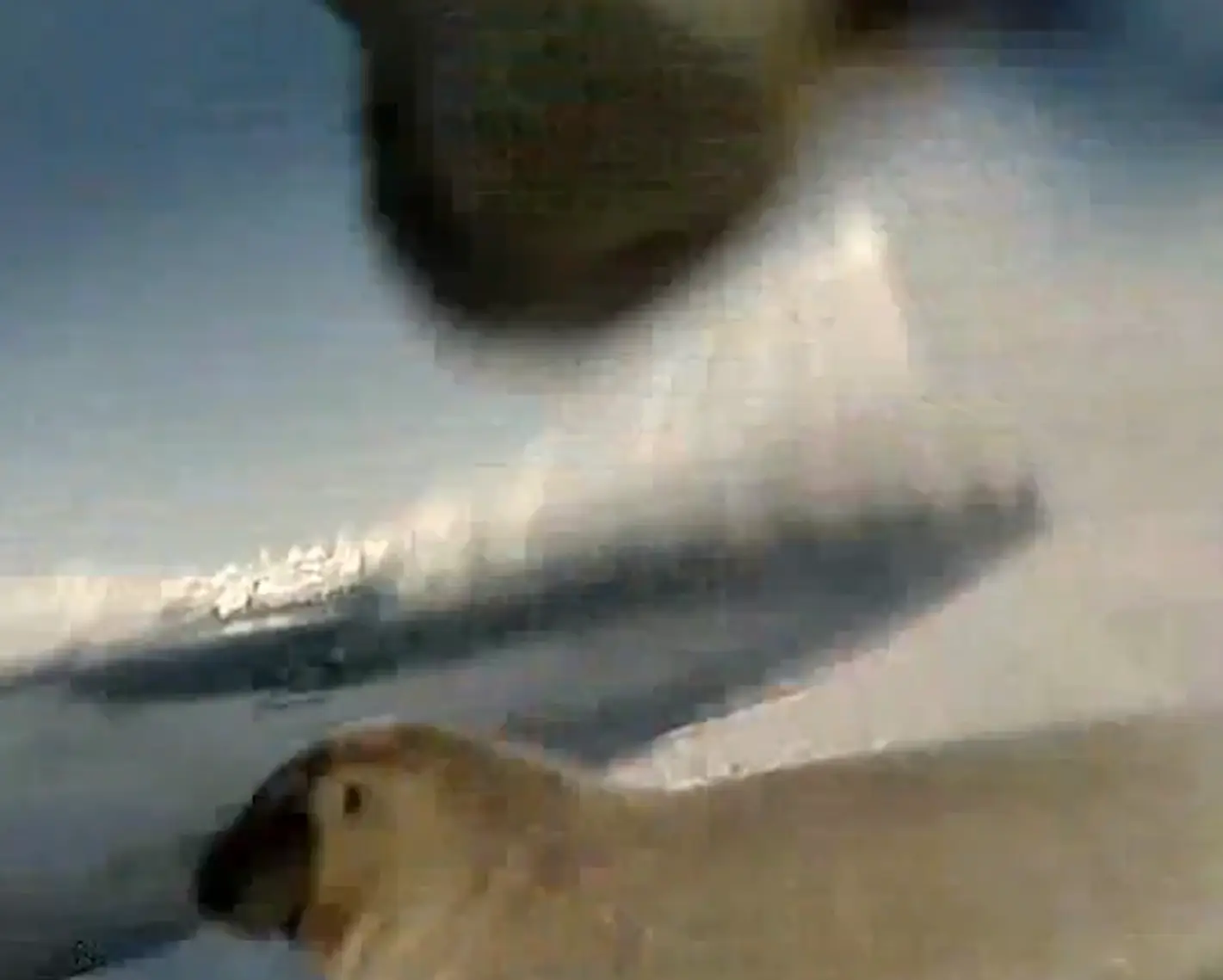
Polar bears are, as Pagano explained, ‘ambush predators’ that hang around areas they think seals are in and wait by breathing holes and rest there for as long as ‘almost half a day’ waiting for a seal to come up for air.
In the footage they got they saw what it looked like when a polar bear caught sight of a seal as the animal charged in for the kill.
He said: “It’s really quite fascinating to learn the basic behaviours of these animals and how they are using the sea ice environment.
“How dynamic the sea ice environment is and how they’re behaviour might change from year to year based on the sea ice conditions that they are experiencing.”
Featured Image Credit: USGS
Topics: Animals, Science, Technology, Environment
RIVER OF GOODS Farmhouse LED Ceiling Fan - 52" L x 52" W - Metal Caged Fixture - Rich Barnwood/Light Driftwood Fan Blades
(as of February 19, 2026 16:09 GMT +00:00 - More infoProduct prices and availability are accurate as of the date/time indicated and are subject to change. Any price and availability information displayed on [relevant Amazon Site(s), as applicable] at the time of purchase will apply to the purchase of this product.)
Fire Blanket - 1500F CE Certified Emergency Fire Blanket for Home and Kitchen. 500GSM Fabric & 0.5mm Thick - 100% Fiberglass Fire Extinguisher for Car,Warehouse Office - 5pc (40x40 inches) by Supa Ant
(as of February 19, 2026 16:09 GMT +00:00 - More infoProduct prices and availability are accurate as of the date/time indicated and are subject to change. Any price and availability information displayed on [relevant Amazon Site(s), as applicable] at the time of purchase will apply to the purchase of this product.)
Joking Hazard Enlarged Box Empty Box for Card Storage
$12.00 (as of February 19, 2026 16:09 GMT +00:00 - More infoProduct prices and availability are accurate as of the date/time indicated and are subject to change. Any price and availability information displayed on [relevant Amazon Site(s), as applicable] at the time of purchase will apply to the purchase of this product.)
The Door Balancer Eliminates The Need for Door Props, Door Stops and Door Wedges
$7.99 (as of February 19, 2026 16:09 GMT +00:00 - More infoProduct prices and availability are accurate as of the date/time indicated and are subject to change. Any price and availability information displayed on [relevant Amazon Site(s), as applicable] at the time of purchase will apply to the purchase of this product.)




















Post Comment