Michael Burry’s £840 Million Bet Signals Impending Global Financial Catastrophe—Are We Ready?

So, Michael Burry—you know, the guy Christian Bale famously played in The Big Short—is throwing down another massive wager, this time a whopping £840 million, betting that the glittering AI bubble about to pop could rattle the global economy. Last year, he pegged big names like Palantir and Nvidia, both deep in the AI game, as ripe for a burst, warning us all that this tech frenzy might just be a house of cards. Now, he’s sounding the alarm again, comparing Nvidia’s sky-high purchase commitments to the pre-dot-com bubble madness — a red flag that’s hard to ignore. Sure, Nvidia’s been rolling in record profits lately, but what if the AI gold rush runs dry and those fat margins start shrinking? It begs the question: Are we all just sipping Kool-Aid while standing on the edge of a tech cliff? Predicting these things is like trying to herd cats—risky and likely to make a fool outta even the savviest investors. Curious to know why Burry’s gut feeling might just shake up your portfolio? LEARN MORE.
Michael Burry of The Big Short fame (he was the one played by Christian Bale) has given another warning linked to his £840 million bet on something happening which could seriously dent the world economy.
Last year he put on a big bet that there was an artificial intelligence bubble in the market and he reckoned it was going to burst, so he placed an £840 million bet against software company Palantir and chipmaker Nvidia which both work heavily with AI.
Burry previously warned that OpenAI was ‘doomed and haemorrhaging cash‘, saying even billions worth of investment into it wouldn’t be enough to keep things going, and the warnings have continued.
In a Substack post from a couple of days ago (26 February) Burry claimed activity from Nvidia looked to him like the way Cisco Systems was behaving just before the dot-com bubble burst.
He said the company’s purchase obligations were at $95.2 billion, a massive increase on the $16.1 billion they were this time last year, meaning they were committed to lots of supply before knowing the full extent of the demand.
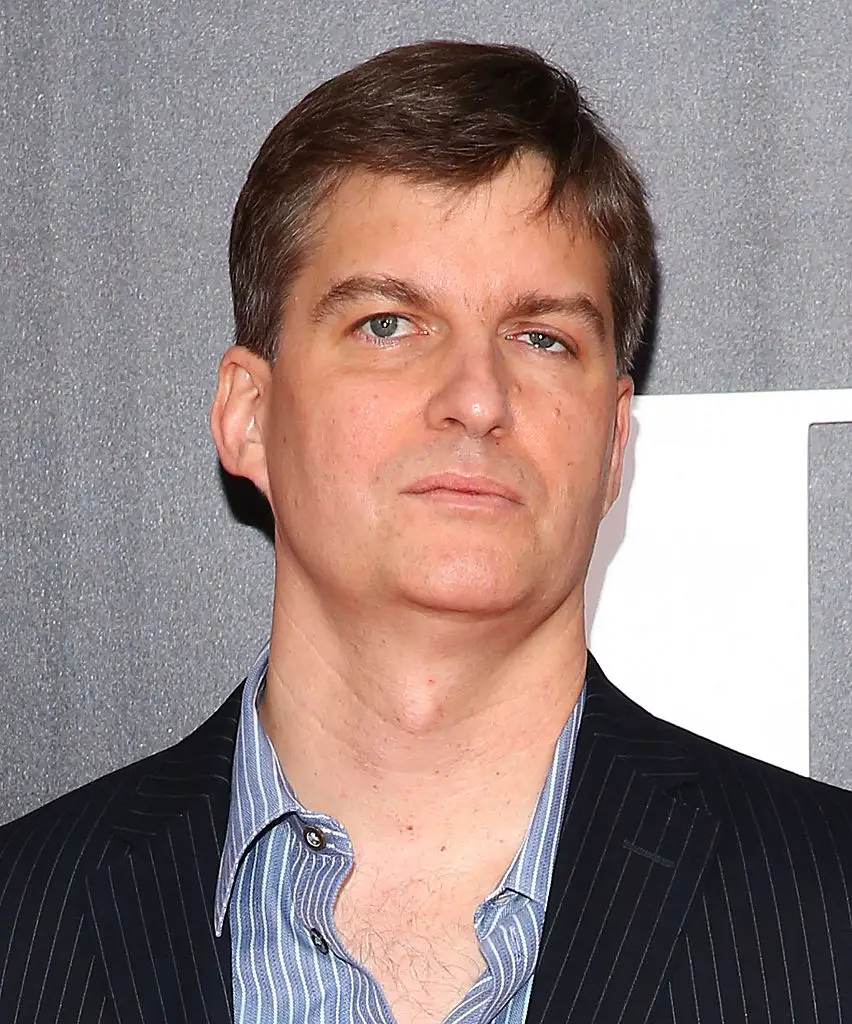
Michael Burry has bet that an AI bubble is going to burst (Astrid Stawiarz/Getty Images)
“What is happening now is not temporary,” Burry wrote of the behaviour he saw from Nvidia, describing it as ‘not business as usual’ but instead a big ‘risk’.
“It is no export shock. It is not even external. This is coming from within the business plan.”
So what does this all mean and why does Burry think it’s a problem?
If the demand in the future doesn’t meet all the supply Nvidia has been spending money on then they’re in trouble, they’d have a lot to sell and not enough buyers to make it worthwhile.
Burry claimed that Nvidia’s profit margins, which are very good, would ‘revert quickly with a shift in demand’ if that happened.
However, Nvidia did just recently post record revenues for the 2026 financial year so there are some things going well for the company, and just because one man who predicted the 2008 crash says something is going to fall apart it doesn’t guarantee it.
He bet against Nvidia, and thinks if future demand for AI falls off they’ll be in trouble (Jonathan Raa/NurPhoto via Getty Images)
According to the Wall Street Journal, Nvidia’s profits are up 94 percent which might alleviate the fear of a bubble that’s ready to burst.
Still, there have been concerns about the idea of an AI bubble for a while, with a huge amount of investment being poured into the sector from people who will want to see their cash back and then some.
Investors keep putting their money into AI which is inflating the market and if they end up not having much to show for it in the end that’s a lot of capital tied up on bad deals.
A lot of companies have taken to using AI and lots of money is going into AI start-ups, Futurism reports, but they added that around 95 percent of attempts to make generative AI do something worthwhile for a business met with failure.
Predicting the future is a risky business as events are always likely to make a fool out of forecasts, and being right about one big thing doesn’t mean you’ll be right about other things too.
Rhythm Superfoods Cripsy Beet Chips, Salted, Organic and Non-GMO, Vegan/Gluten-Free Superfood Snacks, 1.4 Oz (Pack of 4)
(as of March 3, 2026 16:43 GMT +00:00 - More infoProduct prices and availability are accurate as of the date/time indicated and are subject to change. Any price and availability information displayed on [relevant Amazon Site(s), as applicable] at the time of purchase will apply to the purchase of this product.)
Promixx FORM Sports Water Bottle - Premium BPA Free Water Bottle for Fitness Sports & Outdoors - Sustainable Drinks Bottle with Measurement Markers and Leakproof Lid - 760ml / 26oz (Midnight Blue)
$19.99 (as of March 3, 2026 16:43 GMT +00:00 - More infoProduct prices and availability are accurate as of the date/time indicated and are subject to change. Any price and availability information displayed on [relevant Amazon Site(s), as applicable] at the time of purchase will apply to the purchase of this product.)
White Leaf Provisions Organic Purees / Baby Food Pouches - Fruits, Veggies & Grains, Toddler snack, Regeneratively Farmed, No Added Sugar, Non-GMO, BPA-Free Pouches 3.17 oz (Pack of 24, Mango + Carrot + Banana + Pear)
$70.37 (as of March 3, 2026 16:43 GMT +00:00 - More infoProduct prices and availability are accurate as of the date/time indicated and are subject to change. Any price and availability information displayed on [relevant Amazon Site(s), as applicable] at the time of purchase will apply to the purchase of this product.)
RIVER OF GOODS Mid-Century Modern Transitional LED Bronze Chrome Ceiling Fan - 52" L x 52" W - Rich Barnwood/Light Driftwood Fan Blades - Metallic Ceiling Fan with Light and Fabric Shade
(as of March 3, 2026 16:43 GMT +00:00 - More infoProduct prices and availability are accurate as of the date/time indicated and are subject to change. Any price and availability information displayed on [relevant Amazon Site(s), as applicable] at the time of purchase will apply to the purchase of this product.)