Plunge Into the Unknown: 10 American Lakes Hiding Depths No One Has Ever Explored
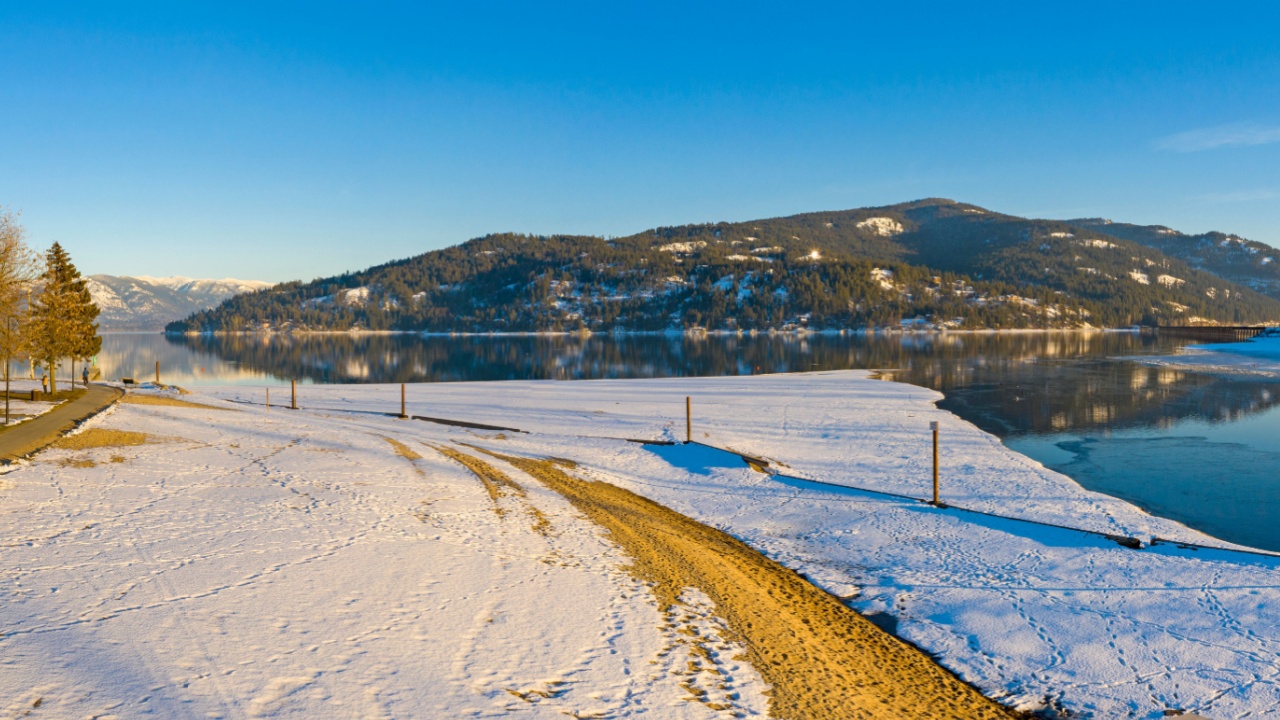
6. Lake Pend Oreille, Idaho

Image Credit: U.S. Army Corps of Engineers, Public Domain/Wiki Commons.
Located in the Idaho Panhandle, Lake Pend Oreille is a remnant of a massive Ice Age flood. This deep, glacially carved lake is so profound that the U.S. Navy uses it for testing submarines and sonar equipment. The Acoustic Research Detachment based there takes advantage of the lake’s depth and acoustic properties, which mimic oceanic conditions.
Despite its use for advanced naval research, much of the lake’s ecosystem and geology at its deepest points remain areas of active scientific study. The combination of clear, cold water and extreme depth creates a unique environment.
7. Lake Michigan

Image Credit: Deposit Photos.
The third largest of the Great Lakes, Lake Michigan, has a complex underwater topography. Its northern and southern basins have different characteristics, with the deepest point located in the Chippewa Basin. This area contains underwater hills and valleys formed by glacial activity.
Like Lake Superior, its floor is home to a multitude of well-preserved shipwrecks. It also features a series of underwater rock formations, including a circular stone arrangement discovered in the Grand Traverse Bay area that has prompted much speculation. The lake’s vastness continues to yield new finds.
8. Flathead Lake, Montana

Image Credit: Deposit Photos.
The largest natural freshwater lake west of the Mississippi River, Flathead Lake in Montana, is another product of glacial carving. The lake is known for its remarkably clean water, a result of being fed by the pristine rivers of the surrounding mountain ranges.
While not as deep as some others on this list, its considerable depth and size support a rich ecosystem. The lakebed contains sediment layers that hold clues to the region’s past climate. There are also local legends of a “Flathead Lake Monster,” a story that adds a layer of folklore to the deep, blue waters.
9. Yellowstone Lake, Wyoming

Image Credit: Deposit Photos.
Situated high in the mountains of Yellowstone National Park, Yellowstone Lake sits atop one of the world’s largest supervolcanoes. The lakebed is an active geothermal area, with geysers, hot springs, and fumaroles hidden beneath the water’s surface. A “bulge” on the lake floor has been rising and falling, indicating movement in the magma chamber below.
Research submersibles have explored these hydrothermal vents, finding unique chemical and biological communities. The dynamic and potentially hazardous nature of this underwater world makes it a compelling but challenging place to study.
10. Lake Clark, Alaska

Image credit: Shutterstock.
Set within the rugged wilderness of Lake Clark National Park, this turquoise-colored lake is fed by glaciers. It fills a long, deep valley carved by ice, similar to Lake Chelan. Its remote location and the challenging Alaskan weather make extensive exploration difficult.
The lake’s bottom is a collection of glacial silt and rock, and its ecosystem is adapted to the cold, nutrient-rich water. Its depth, combined with its isolation, means that it remains one of the more pristine and less-studied large lakes in the United States.
Mystery and Wonder

Image Credit: Deposit Photos.
These deep lakes are more than just geographical features; they are archives of natural history and hubs of scientific inquiry. Exploring their floors is not about finding monsters, but about understanding the powerful geological forces that shape our planet. Each submersible dive and sonar scan helps piece together a puzzle that began millennia ago, reminding us that some of the greatest frontiers for discovery are not in distant galaxies, but right beneath the surface of the water.
Rhythm Superfoods Cripsy Beet Chips, Salted, Organic and Non-GMO, Vegan/Gluten-Free Superfood Snacks, 1.4 Oz (Pack of 4)
(as of March 3, 2026 16:43 GMT +00:00 - More infoProduct prices and availability are accurate as of the date/time indicated and are subject to change. Any price and availability information displayed on [relevant Amazon Site(s), as applicable] at the time of purchase will apply to the purchase of this product.)
Joking Hazard Deck Enhancement #1 - Expansion Pack for Fun Party Games by Cyanide & Happiness, 100 New Hilarious Comic Cards | Perfect for Game Night
$10.00 (as of March 3, 2026 16:43 GMT +00:00 - More infoProduct prices and availability are accurate as of the date/time indicated and are subject to change. Any price and availability information displayed on [relevant Amazon Site(s), as applicable] at the time of purchase will apply to the purchase of this product.)
1MORE Triple Driver in-Ear Earphones Hi-Res Headphones with High Resolution, Bass Driven Sound, MEMS Mic, in-Line Remote, High Fidelity for Smartphones/PC/Tablet - Silver
(as of March 3, 2026 16:43 GMT +00:00 - More infoProduct prices and availability are accurate as of the date/time indicated and are subject to change. Any price and availability information displayed on [relevant Amazon Site(s), as applicable] at the time of purchase will apply to the purchase of this product.)
Fire Blanket - 1500F CE Certified Emergency Fire Blanket for Home and Kitchen. 500GSM Fabric & 0.5mm Thick - 100% Fiberglass Fire Extinguisher for Car,Warehouse Office - 2pc (47x47 inches) by Supa Ant
$53.45 (as of March 3, 2026 16:43 GMT +00:00 - More infoProduct prices and availability are accurate as of the date/time indicated and are subject to change. Any price and availability information displayed on [relevant Amazon Site(s), as applicable] at the time of purchase will apply to the purchase of this product.)