Scientists Uncover Shocking Clues That Could Rewrite the Story of Life’s Birth on Earth
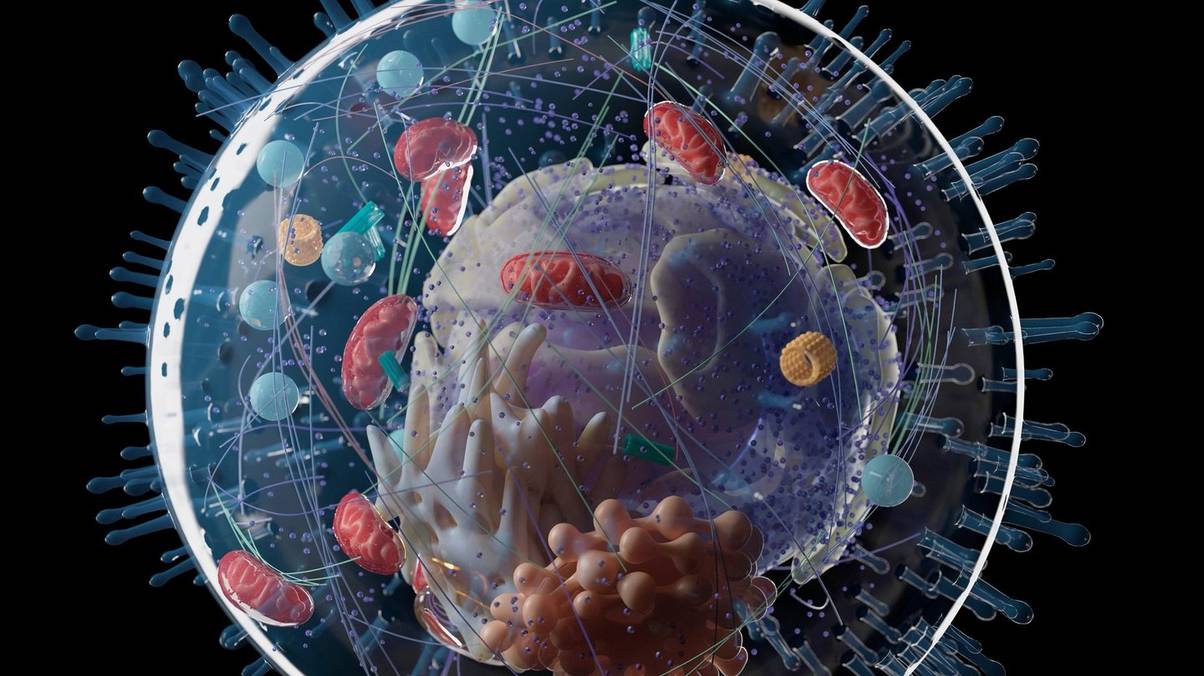
So, here’s a curveball for you: what if the origin of complex life isn’t just a tale of ancient microbes playing hide-and-seek in oxygen-free mud, but rather a story of tiny ancestors who were casually breathing oxygen like it was nobody’s business? Scientists have been scratching their heads for ages, trying to pin down exactly how plants, animals, and all that jazz evolved from cellular soup. But thanks to some sharp minds at the University of Texas at Austin, we might just need to rewrite the textbook on how our eukaryotic cells — you know, the ones with mitochondria, aka the little powerhouses in every cell — came to be. Forget the drama of cosmic chicken-or-egg debates; this breakthrough hints that our microbial predecessors were way more sophisticated in oxygen use than we ever imagined. Could it be that the complex life we see today actually had ancestors who were cool with a bit of fresh air? Mindblowing. Dive deeper into this revelation and prepare to have your mind twisted—in a good way! LEARN MORE.
Researchers investigating the origin of complex life on Earth might have just made a major breakthrough.
The origin of humanity and the planet Earth is probably debated more than whether the chicken or the egg came first, with some choosing to believe that the big bang is what created life, whereas others go down a more religious route.
Charles Darwin of course penned the theory of evolution when it comes to humans but scientists have been more stumped when it comes to deducing exactly how plants, fungi and animals have evolved over the millennia.
Technological advancements mean that we’re regularly making new scientific discoveries but a new study from the University of Texas at Austin might just change what we know about the cells that make up the DNA inside mitochondria, aka the powerhouse of the cell.
Essentially, there are two different major cell types, namely eukaryotes which, as Im’ sure you’ll remember from high school biology, are filled to the brim with internal structures like nuclei and mitochondria.
Then there’s the humble prokaryotes, which manage just fine by themselves.

It might just change a long-held belief (Getty Stock)
These eukaryotes cells make up pretty much everything we can see with the naked eye, otherwise known as complex life, whereas prokaryotes include bacteria and another group of single-celled organisms called archaea.
It’s long been accepted that complex life emerged from an archaeal cell, specifically a type called an Asgard archaeon, which swallowed a bacterium and eventually changed into what we recognise as the mitochondria today.
Research has previously suggested that they thrive in a poorly oxygenated environment, but now the new research from the University of Texas suggests otherwise, as it found that Asgard archaea regularly use or tolerate oxygen.
Speaking to IFLScience, study lead Brett Baker said: “One of the big questions in biology and evolution of life on the planet is what events led to the formation of complex life (plants and animals). This study provides new clues about the lifestyle of our microbial ancestors, and we think they could breathe oxygen like us!”

It marks a big breakthrough in what we know about cells (Getty Stock)
The research saw them analyse samples from shallow water sediments which helped them to realise that interactions similar to the ones thought to have originated eukaryotic life are still observable today.
Author Kathryn Appler added: “This massive sequencing effort nearly doubled the number of genomes from the closest known archaeal relatives of the host that gave rise to eukaryotes, providing a more comprehensive view of their ecology and metabolism.”
Baker concluded: “Most Asgards alive today have been found in environments without oxygen. But it turns out that the ones most closely related to eukaryotes live in places with oxygen, such as shallow coastal sediments and floating in the water column, and they have a lot of metabolic pathways that use oxygen. That suggests that our eukaryotic ancestor likely had these processes, too.”
Promixx FORM Sports Water Bottle - Premium BPA Free Water Bottle for Fitness Sports & Outdoors - Sustainable Drinks Bottle with Measurement Markers and Leakproof Lid - 760ml / 26oz (Midnight Blue)
$19.99 (as of February 20, 2026 16:10 GMT +00:00 - More infoProduct prices and availability are accurate as of the date/time indicated and are subject to change. Any price and availability information displayed on [relevant Amazon Site(s), as applicable] at the time of purchase will apply to the purchase of this product.)
White Leaf Provisions Organic Purees / Baby Food Pouches - Fruits, Veggies & Grains, Toddler snack, Regeneratively Farmed, No Added Sugar, Non-GMO, BPA-Free Pouches 3.17 oz (Pack of 24, Mango + Carrot + Banana + Pear)
$78.95 (as of February 20, 2026 16:10 GMT +00:00 - More infoProduct prices and availability are accurate as of the date/time indicated and are subject to change. Any price and availability information displayed on [relevant Amazon Site(s), as applicable] at the time of purchase will apply to the purchase of this product.)
RIVER OF GOODS Farmhouse LED Ceiling Fan - 52" L x 52" W - Metal Caged Fixture - Rich Barnwood/Light Driftwood Fan Blades
(as of February 20, 2026 16:10 GMT +00:00 - More infoProduct prices and availability are accurate as of the date/time indicated and are subject to change. Any price and availability information displayed on [relevant Amazon Site(s), as applicable] at the time of purchase will apply to the purchase of this product.)
Supa Ant 6x8ft. Welding Blanket Fireproof (Pack of 2) - Heavy Duty Weld Fire Blanket Tools - Welders Cover for Men Curtain with Gloves - Large Welding Gear for Welder Accessories
(as of February 20, 2026 16:10 GMT +00:00 - More infoProduct prices and availability are accurate as of the date/time indicated and are subject to change. Any price and availability information displayed on [relevant Amazon Site(s), as applicable] at the time of purchase will apply to the purchase of this product.)


















Post Comment