Shockwaves Rock Music World: Hidden Secrets in Kurt Cobain’s Autopsy Spark Chilling Murder Conspiracy
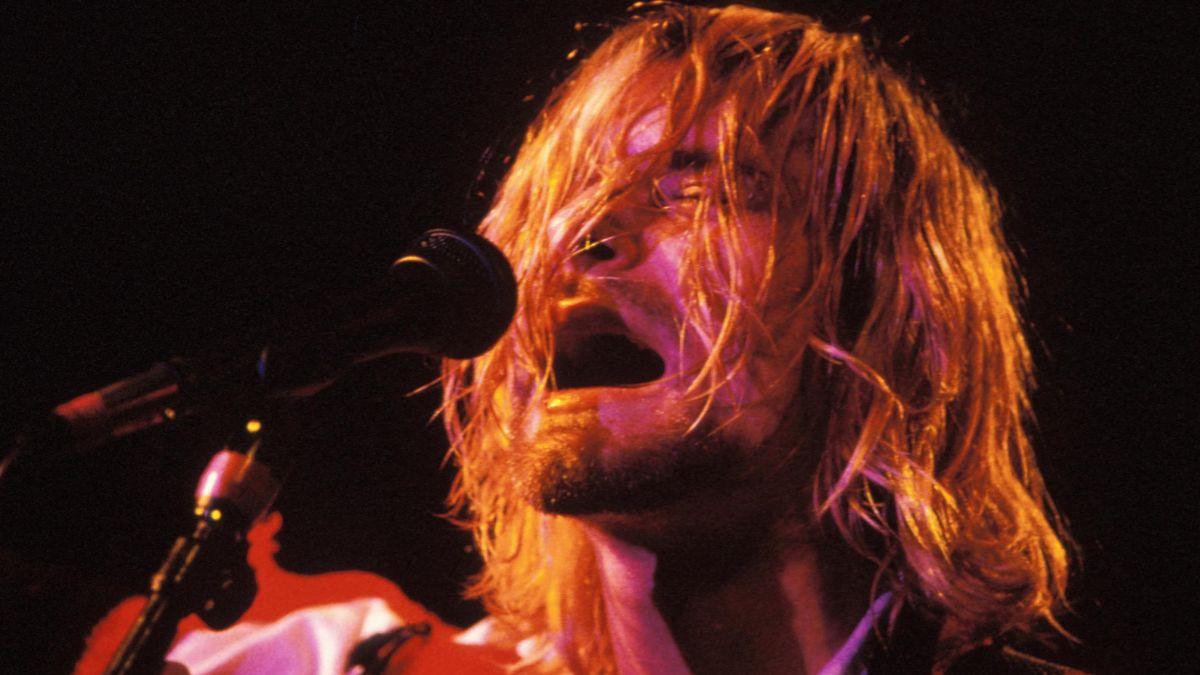
Kurt Cobain’s tragic death back in ’94 was chalked up as a suicide—a heartbreaking end to a rock legend’s life. But what if there’s more to the story than we’ve been told all these years? Recently uncovered autopsy files and a band of private forensic detectives have shaken the very foundation of that verdict, suggesting Cobain’s death might not have been self-inflicted after all. From mysterious bloodstains that refuse to fit the official narrative to puzzling toxicology reports that question whether he could’ve even pulled the trigger—this new investigation begs the question: Could the grunge icon’s final chapter be a cover-up? I mean, who moves a bleeding rockstar’s body after the fact, and why? It’s enough to make you rethink everything you thought you knew about that infamous day in Seattle. Ready to dive down this rabbit hole of rock, mystery, and mayhem?
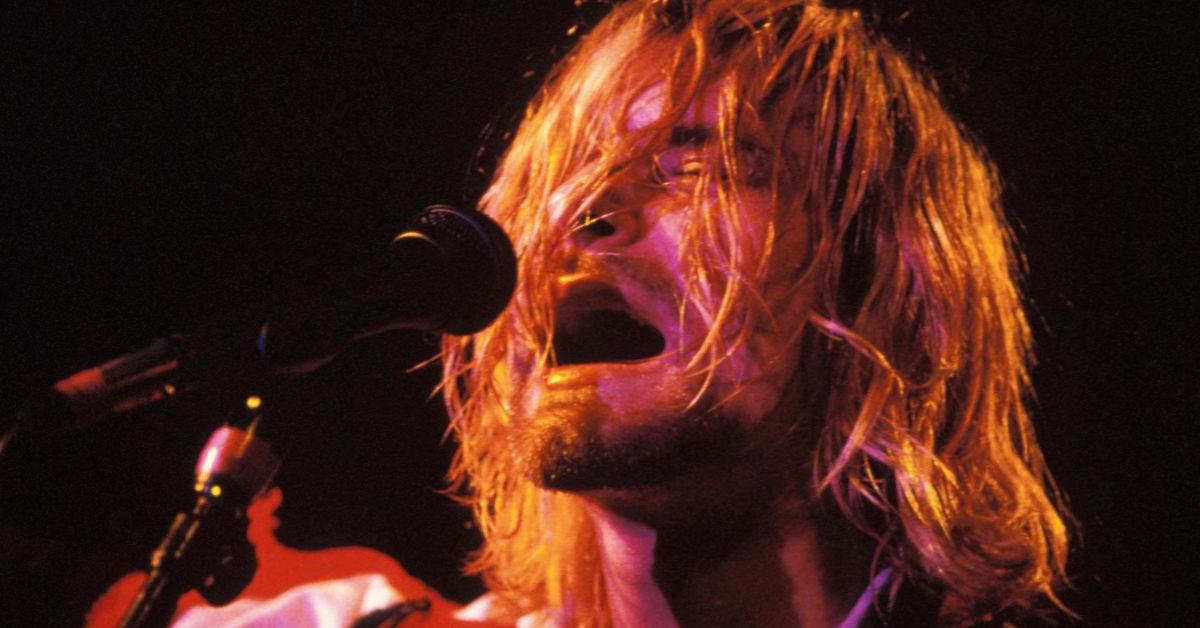
Cobain was found on April 8, 1994, slumped in the atrium above the detached garage of his Seattle home.
The autopsy, signed by chief medical examiner Dr. Donald Reay on June 20, 1994, was never publicly released. But now, a group of independent forensic researchers say they have obtained and analyzed the full report alongside crime scene records, concluding that elements of the case are inconsistent with suicide.
Seattle Police have long maintained the original finding.
In a peer-reviewed study published in November, Burnett argued the irregular stain pattern was consistent with transfer bloodstains and not with blood pooling beneath a body. He said the absence of similar staining on Cobain’s sock and shoe suggested contact with a bloodied hand or surface.
Burnett also pointed to blood on Cobain’s shirt.
“Cobain was bleeding onto his shirts,” he said. According to the analysis, blood from the troubled rocker’s mouth, nose, and left ear should have flowed onto the face and floor if the body had remained in place.
Instead, the pattern suggests the upper body may have been lifted, causing blood to flow onto the shirt.
The report claims: “After the intraoral shotgun discharge, Cobain’s body was moved, either from a different location in the greenhouse before the staging of his body or, more likely, he was carried up the exterior stairs at the side of the garage to the greenhouse.”
Their report states: “Intravenous administration of a heroin dose sufficient to result in a blood morphine level of 1.52mg/L would likely lead to intoxication and sedation too quickly to allow for the series of events in the suicide scenario.”
It adds a syringe imprint “seems unlikely to have been administered by Cobain, and could therefore be consistent with the action by an assailant.”
The autopsy details the catastrophic head wound by stating: “ENTRANCE WOUND: Located on the superior hard palate 1/2 inch posterior to the anterior incisors is a 3/4 inch x 1-1/4 inch oval-shaped entrance shotgun wound defect.”
Approximately 30 small BB lead-type shot and a distorted plastic shotgun shell wad were recovered from the cerebral hemispheres. Investigators found no evidence of a struggle beyond broken glass from the atrium entry.
A spokesperson for the Seattle Police Department insisted, “Kurt Cobain died by suicide in 1994. This continues to be the position held by the Seattle Police Department.”

RIVER OF GOODS Coastal 52 Inch Wooden Bead LED Ceiling Fan, Brown
(as of February 19, 2026 16:09 GMT +00:00 - More infoProduct prices and availability are accurate as of the date/time indicated and are subject to change. Any price and availability information displayed on [relevant Amazon Site(s), as applicable] at the time of purchase will apply to the purchase of this product.)
RIVER OF GOODS Coastal 52 Inch Wooden Bead LED Ceiling Fan, Cream
(as of February 19, 2026 16:09 GMT +00:00 - More infoProduct prices and availability are accurate as of the date/time indicated and are subject to change. Any price and availability information displayed on [relevant Amazon Site(s), as applicable] at the time of purchase will apply to the purchase of this product.)
UNiTE Protein Bar, 10g Protein, 200 Calories, Variety Pack, Real Ingredients, No Artificial Sweeteners or Flavors, Gluten & Soy Free, High Protein, Women Owned, 1.59 Oz Bars (12 Pack)
(as of February 19, 2026 16:09 GMT +00:00 - More infoProduct prices and availability are accurate as of the date/time indicated and are subject to change. Any price and availability information displayed on [relevant Amazon Site(s), as applicable] at the time of purchase will apply to the purchase of this product.)
Supa Ant Silicone Fire Cloak for Fireproof Suit Emergency Blanket for Home and Kitchen - Emergency Poncho as Heat Shield Blanket -Fire Resistant Hoodie-Escape Suit with Cape and Hood (70x55 in.-Large)
$83.99 (as of February 19, 2026 16:09 GMT +00:00 - More infoProduct prices and availability are accurate as of the date/time indicated and are subject to change. Any price and availability information displayed on [relevant Amazon Site(s), as applicable] at the time of purchase will apply to the purchase of this product.)















Post Comment