Sony Insider Reveals Shocking Cost of James Franco Film Scandal
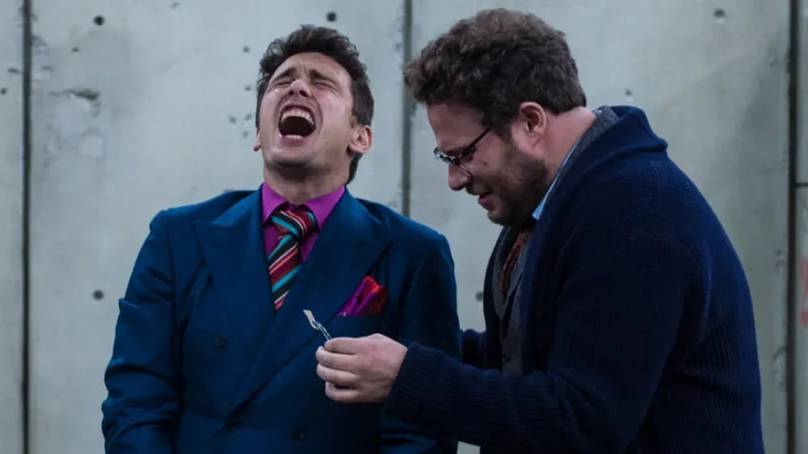
Ever have one of those moments where you ask yourself—what on earth possessed me to think that was a good idea? Imagine if your questionable decision didn’t just give you a headache, but also managed to bring the wrath of a Supreme Leader, an entire hacking collective, and, yes, the not-so-subtle scorn of Barack Obama raining down on your head . Hollywood may be built on drama, but Michael Lynton, the former CEO of Sony Pictures, might just take the cake for real-life plot twists. As he reflects on green-lighting the infamous James Franco and Seth Rogen comedy “The Interview,” I can’t help but marvel: How wild does your workplace have to be before a joke about assassinating Kim Jong-Un spirals into an international incident? If you thought your office politics were spicy, wait till you dive into this tale of bravado, regret, and a party that went way, way off script . Ready to find out what happens when comedy literally threatens world peace? LEARN MORE.
A former CEO of Sony has opened up about the significant mistake he made when green-lighting a James Franco comedy.
While they might say that comedy is tragedy plus time, the plot of this particular movie didn’t prove to be the smartest idea, as its cinema release was cancelled and saw the company receive a number of threats.
Even Barack Obama wasn’t too happy with Michael Lynton, the former CEO of Sony Pictures Entertainment, due to the security risks involved with the main plot point.
For those of you who aren’t a fan of niche James Franco films from the mid 2010s, I am of course, talking about The Interview.
The film sees Franco and Seth Rogen handed the chance to interview North Korean leader Kim Jong-Un, played by Randall Park.
The CIA then take over and decide to use it as an opportunity to assassinate the Supreme Leader, which certainly didn’t go down to well, with Rogen later reflecting on his role in one of the most controversial films of all time.
Obama asked Lynton, “What were you thinking when you made killing the leader of a hostile foreign nation a plot point? Of course that was a mistake.”
Writing in a new memoir, Lynton has now reflected on the mistake and shared more about what happened after Sony was hacked in November 2014, in a huge data breach which saw the company and cinemas threatened by a group who described the film as ‘terrorism.
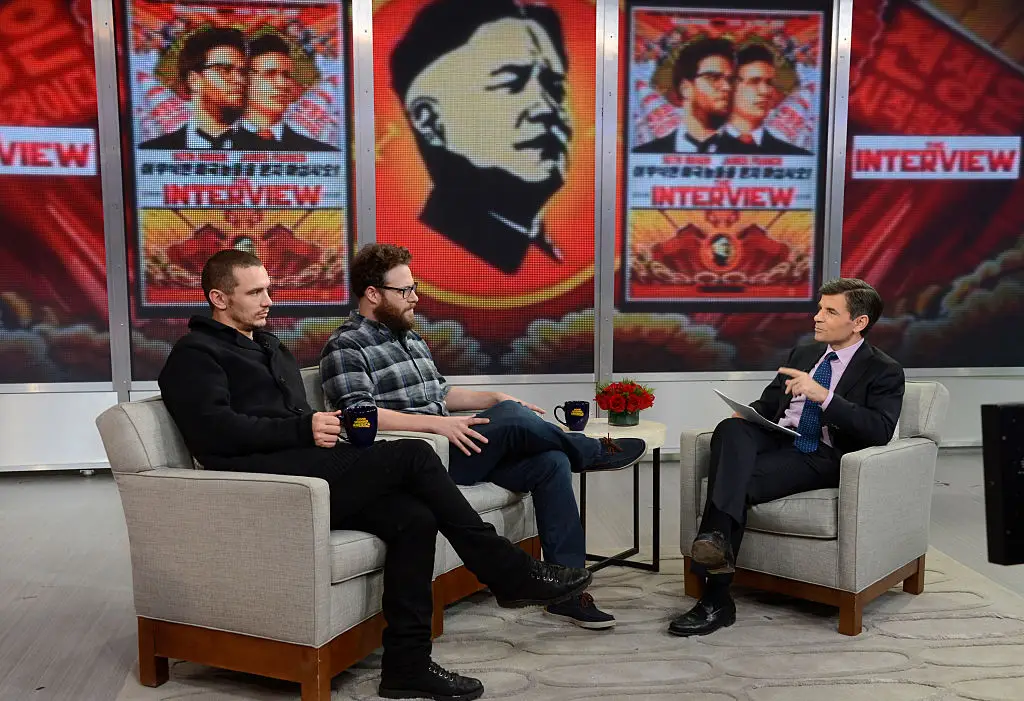
The plot was certainly a bit risky (Ida Mae Astute/Disney General Entertainment Content via Getty Images)
Lynton writes: “Not long after the hack, a mysterious website appeared, inviting journalists to type ‘Die Sony’ into any internet browser, where they could find tens of thousands of leaked emails. Emails in which studio executives criticised movie stars. Emails that had sensitive employment contracts.
“Then the hackers started releasing employee health records and Social Security numbers. They published pirated versions of upcoming movies such as ‘The Karate Kid.’ They even released the confidential script of the new James Bond movie. That’s the ultimate Hollywood sacrilege.
“As part of the leaked documents, my daughters’ health records flashed across the internet.”
He also reflects on his decision to green-light the film despite warnings, and how he ended up paying dearly for the mistake.
“Just for a moment, I wanted to join the badass gang that made subversive movies. For a moment, I wanted to hang — as an equal — with the actors. I had grown tired of playing the responsible adult, of watching the party from the outside while I played Risk….The party got out of hand, and the company, its employees, my family and I all paid dearly,” Lynton says.
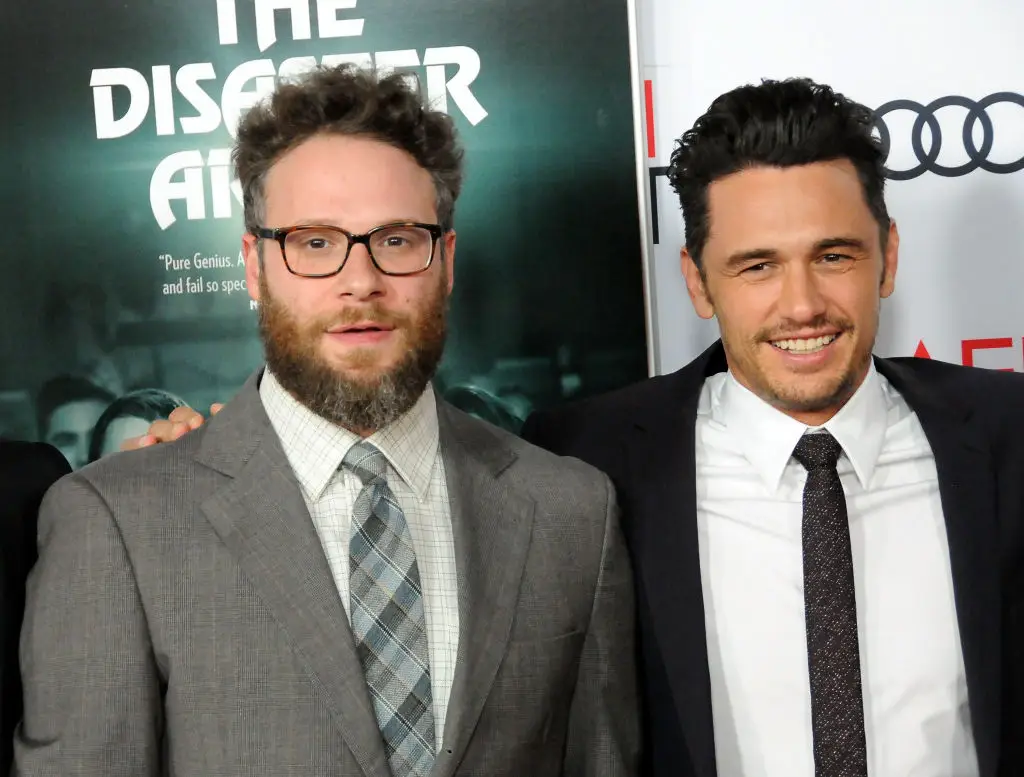
The pair have seemingly steered clear of international threats in recent years (Barry King/Getty Images)
The former Sony boss also writes that “two other factors complicated the situation.
“First, Amy Pascal, my co-chairperson at Sony, and Stacey Snider, the chairwoman at Universal Studios, while friends, had a 20-year rivalry. Second, Rogen felt that he had to make each movie more and more outrageous to keep his audience engaged. So when either Stacey or Amy refused to greenlight a film because it was too offensive, the other agreed to make it. And guess what? It was inevitably a hit.”
“Sony found itself in the difficult position of not being able to say no, and Rogen found himself in the enviable position of getting approval for almost anything that he chose to present,” adds Lynton, who greenlit the film immediately after a favourable table read of the script.
Despite all this, it’s fairly easy to watch the action comedy film to this day, with most streaming services offering it for a small fee.

RIVER OF GOODS Stained Glass Bird Accent Lamp - 8" W x 13.5" H - Tiffany Style Table Lamps for Home, Office Desk, Bedroom, Nightstand - Blue Jay Decor
(as of February 20, 2026 16:10 GMT +00:00 - More infoProduct prices and availability are accurate as of the date/time indicated and are subject to change. Any price and availability information displayed on [relevant Amazon Site(s), as applicable] at the time of purchase will apply to the purchase of this product.)
The Door Balancer Eliminates The Need for Door Props, Door Stops and Door Wedges
$7.99 (as of February 20, 2026 16:10 GMT +00:00 - More infoProduct prices and availability are accurate as of the date/time indicated and are subject to change. Any price and availability information displayed on [relevant Amazon Site(s), as applicable] at the time of purchase will apply to the purchase of this product.)
Rhythm Superfoods Cripsy Beet Chips, Salted, Organic and Non-GMO, Vegan/Gluten-Free Superfood Snacks, 1.4 Oz (Pack of 4)
(as of February 20, 2026 16:10 GMT +00:00 - More infoProduct prices and availability are accurate as of the date/time indicated and are subject to change. Any price and availability information displayed on [relevant Amazon Site(s), as applicable] at the time of purchase will apply to the purchase of this product.)
RIVER OF GOODS Coastal 52 Inch Wooden Bead LED Ceiling Fan, Cream
(as of February 20, 2026 16:10 GMT +00:00 - More infoProduct prices and availability are accurate as of the date/time indicated and are subject to change. Any price and availability information displayed on [relevant Amazon Site(s), as applicable] at the time of purchase will apply to the purchase of this product.)
















Post Comment