Teen Boy Faces Century Behind Bars: The Shocking Verdict That Has Everyone Talking
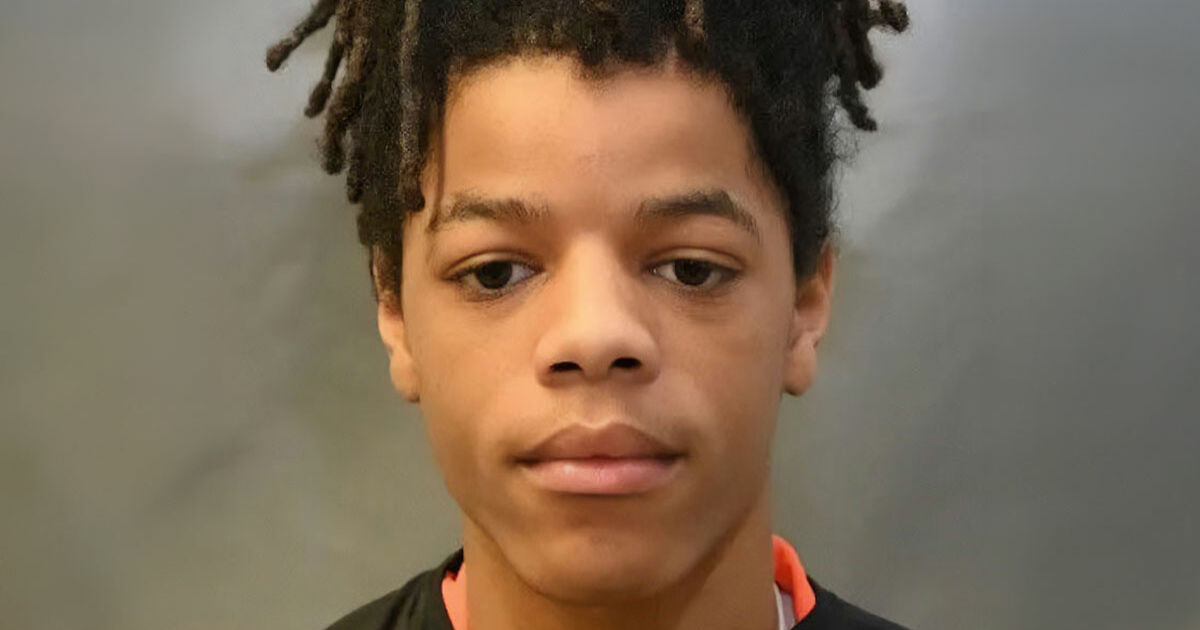
Larry was not the only defendant to receive a lengthy prison sentence.
Critics questioned whether the minor’s race played a role in his “unusually harsh” 100-year sentence
Image credits: Kindel Media/Pexels (not the actual photo)
His 19-year-old co-defendant, Rashawn Samuels, was sentenced to 125 years in prison, including 62 and a half years for m**der and another 62 and a half years under the same criminal organization enhancement.
Another co-conspirator, 19-year-old Kyree Craver, previously received a 90-year sentence for his role in the fatal attack.
Larry’s sentence quickly sparked debate online, with many users arguing that adult offenders convicted of similarly serious crimes have received significantly shorter prison terms.
One person wrote, “This justice system is so confusing.”
Image credits: Maia Fotografia/Pexels (not the actual photo)
Another added, “The move to apply the harshest of penalties to Black offenders speaks to the racial biases, racism, and inequality within the criminal justice system.”
“What he did was wrong, but 100 years when adults receive 25-30 years for the same crimes. This is cruel and unusual punishment…”
Another comment read, “100 yrs???? This is crazy! When adults don’t get that type of sentence.”
Others expressed, “He’s about to enter a world he’ll wish he never saw.”
Despite the 100-year sentence, Indiana law allows Larry to request a judicial review after serving 20 years
Image credits: Ron Lach/Pexels (not the actual photo)
Although Larry was sentenced as an adult, Indiana law provides a limited opportunity for offenders who were under 18 at the time of their crimes to seek a future review of their sentence.
Because he was 14 years old when the crime occurred, he will be eligible to petition the court for a judicial review after serving at least 20 years in prison.
Unlike a traditional appeal, which challenges potential legal errors made during the trial, the review allows a judge to reconsider the remainder of a juvenile offender’s sentence based on factors such as rehabilitation, conduct while incarcerated, and overall personal growth.
However, the review does not guarantee a reduced sentence or early release.
Instead, it simply gives the court the discretion to determine whether any modification is appropriate after weighing Larry’s progress against the severity of the crime and the impact on the victims and their families.
The provision exists because Indiana law recognizes that juveniles are developmentally different from adults, even when they are convicted of violent offenses in adult court.
“Wake up people this is becoming an issue. That’s definitely a racially biased sentence,” one user wrote
Total votes ·
Thanks! Check out the results:
Total votes ·
Subscribe to Access
Exclusive Polls

Thank you! You’ve successfully subscribed to newsletters!
RIVER OF GOODS Coastal 52 Inch Wooden Bead LED Ceiling Fan, Brown
(as of October 7, 2026 00:56 GMT +00:00 - More infoProduct prices and availability are accurate as of the date/time indicated and are subject to change. Any price and availability information displayed on [relevant Amazon Site(s), as applicable] at the time of purchase will apply to the purchase of this product.)
White Leaf Baby Food Pouches, Toddler Snack, Mango + Carrot + Banana + Pear | 24 Pack, Organic No Added Sugar, Non-GMO, BPA-Free Regeneratively Farmed, Squeeze Puree Smoothie Pouch for Adults & Children
$69.95 (as of October 7, 2026 00:56 GMT +00:00 - More infoProduct prices and availability are accurate as of the date/time indicated and are subject to change. Any price and availability information displayed on [relevant Amazon Site(s), as applicable] at the time of purchase will apply to the purchase of this product.)
RIVER OF GOODS Stained Glass Bird Accent Lamp - 8" W x 13.5" H - Tiffany Style Table Lamps for Home, Office Desk, Bedroom, Nightstand - Blue Jay Decor
(as of October 7, 2026 00:56 GMT +00:00 - More infoProduct prices and availability are accurate as of the date/time indicated and are subject to change. Any price and availability information displayed on [relevant Amazon Site(s), as applicable] at the time of purchase will apply to the purchase of this product.)
PROMIXX FORM Sports Water Bottle - Premium BPA Free Water Bottle for Fitness Sports & Outdoors - Sustainable Drinks Bottle with Measurement Markers and Leakproof Lid - 760ml / 26oz (Midnight Blue)
$17.79 (as of October 7, 2026 00:56 GMT +00:00 - More infoProduct prices and availability are accurate as of the date/time indicated and are subject to change. Any price and availability information displayed on [relevant Amazon Site(s), as applicable] at the time of purchase will apply to the purchase of this product.)