The Dangerous Chemical Reaction I Ignored—And What Almost Happened Next

Ever found yourself whipping up your own magical cleaning potion, mixing whatever’s under the sink without a second thought? I was there too—spritzing away with a concoction of bleach and ammonia like a cleaning wizard in my own right. That is, until my mother-in-law caught a whiff and practically staged an intervention over the “chemical cocktail” I was brewing. So, what’s the real deal? Is mixing these household titans really just a case of a strong smell—or a full-on hazardous disaster waiting to happen? Buckle up, because this isn’t your grandma’s cleaning tip. Turns out, when bleach and ammonia collide, they don’t just hang out peacefully—they summon a toxic, eye-watering gas called chloramine that can seriously mess with your health. Ready to unravel the messy truth and learn how to keep your cleaning habits safe (and your lungs happy)? LEARN MORE.
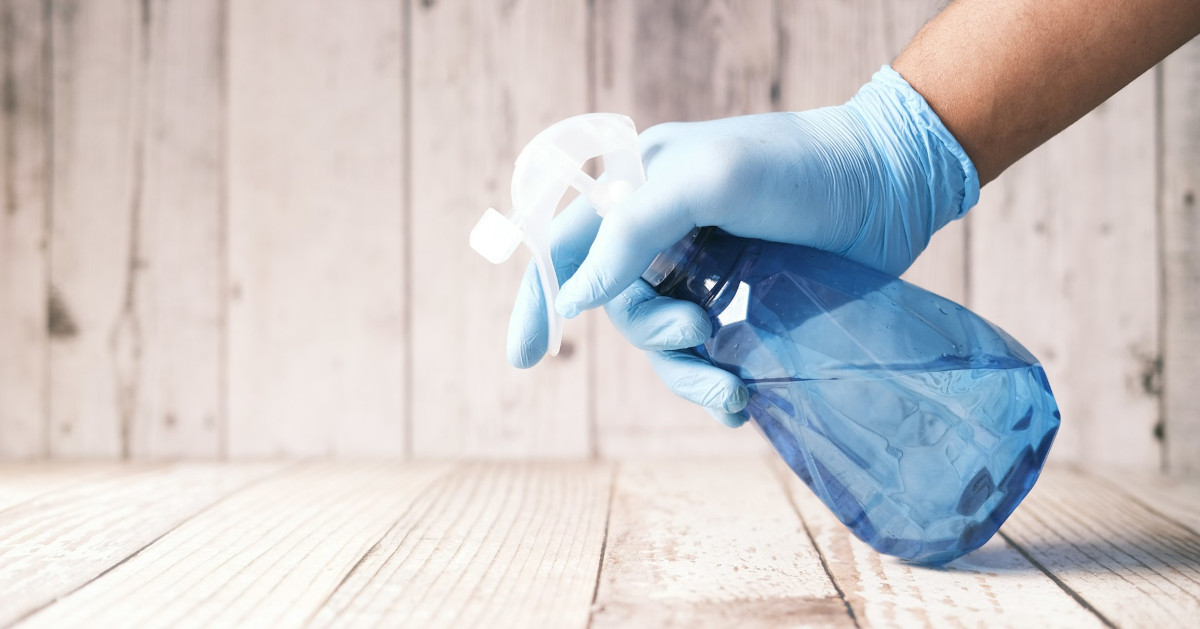
Photo by Towfiqu barbhuiya on Unsplash
My cleaning routine usually involves making a few sprays of my own because I want something powerful that will cut through grease and grime. My MIL was visiting and saw me mix bleach and ammonia. She said the chemical smell was too strong and harshly criticized me for mixing these.
Is there a real danger here?
Bleach + Ammonia
There is a danger to mixing bleach and ammonia, but many people don’t know this. It all has to do with the chemical reactions that are likely to occur.
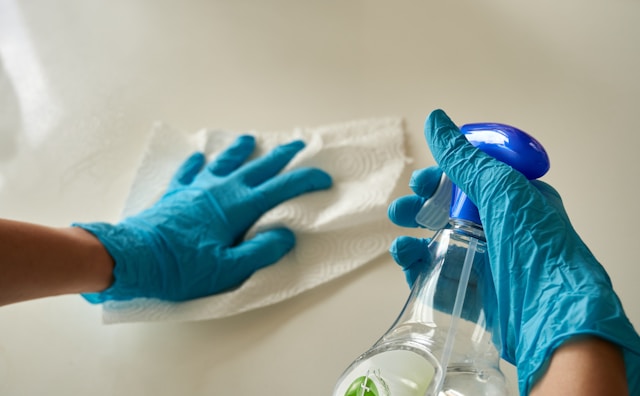
Both bleach and ammonia are powerful on their own. Then they get mixed together, a toxic gas known as chloramine is produced. It can pose various health risks.
Toxic Fumes Occur
Chloramine gas, when formed, is toxic. It can lead to such problems as:
- Irritated eyes
- Severe respiratory distress
- Watery eyes
- Chest pain
- Nausea
If exposed to the toxic chemical reaction long enough, it can even cause damage to the respiratory tract!
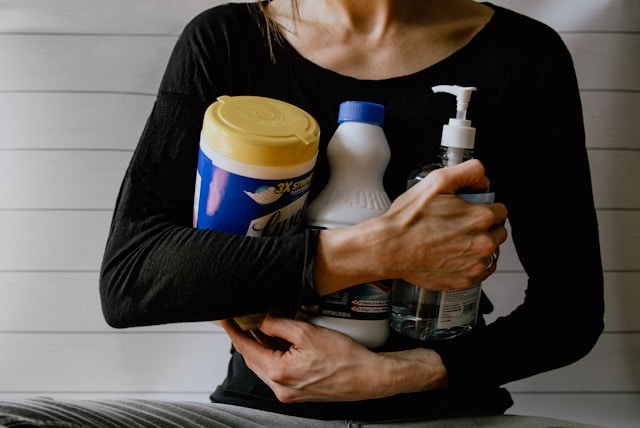
Photo by Kelly Sikkema on Unsplash
Added Dangers
Often, people mix the chemicals without knowing of the dangerous chemical reaction. Then, they start cleaning in a room where there isn’t sufficient ventilation. The more you inhale, the more serious the conditions can be. Plus, it can exacerbate other health problems, such as asthma.
Mixing ammonia and bleach doesn’t lead to a more powerful cleaning agent.
Here are a few best practices:
- Read the labels
- Create plenty of ventilation
- Contact local poison control if you’ve experienced exposure and serious symptoms.
While it can be scary to learn that you created a toxic chemical reaction, there are plenty of products that you can mix – like vinegar and baking soda. If you’re not sure what chemicals you can mix, it’s best to stick with a store-bought cleaning product (and don’t mix it with anything).
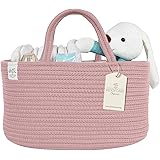
KiddyCare Diaper Caddy Organizer for Baby Nursery Basket with Handle Lid Nursing Caddy with Changing Table Organizer Cart Newborn Caddy Rosy (Floral Print) X-Large
$16.50 (as of March 3, 2026 16:43 GMT +00:00 - More infoProduct prices and availability are accurate as of the date/time indicated and are subject to change. Any price and availability information displayed on [relevant Amazon Site(s), as applicable] at the time of purchase will apply to the purchase of this product.)
RIVER OF GOODS Stained Glass Bird Accent Lamp - 8" W x 13.5" H - Tiffany Style Table Lamps for Home, Office Desk, Bedroom, Nightstand - Blue Jay Decor
(as of March 3, 2026 16:43 GMT +00:00 - More infoProduct prices and availability are accurate as of the date/time indicated and are subject to change. Any price and availability information displayed on [relevant Amazon Site(s), as applicable] at the time of purchase will apply to the purchase of this product.)
RIVER OF GOODS Mid-Century Modern Transitional LED Bronze Chrome Ceiling Fan - 52" L x 52" W - Rich Barnwood/Light Driftwood Fan Blades - Metallic Ceiling Fan with Light and Fabric Shade
(as of March 3, 2026 16:43 GMT +00:00 - More infoProduct prices and availability are accurate as of the date/time indicated and are subject to change. Any price and availability information displayed on [relevant Amazon Site(s), as applicable] at the time of purchase will apply to the purchase of this product.)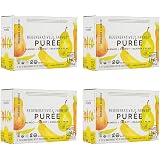
White Leaf Provisions Organic Purees / Baby Food Pouches - Fruits, Veggies & Grains, Toddler snack, Regeneratively Farmed, No Added Sugar, Non-GMO, BPA-Free Pouches 3.17 oz (Pack of 24, Mango + Carrot + Banana + Pear)
$70.37 (as of March 3, 2026 16:43 GMT +00:00 - More infoProduct prices and availability are accurate as of the date/time indicated and are subject to change. Any price and availability information displayed on [relevant Amazon Site(s), as applicable] at the time of purchase will apply to the purchase of this product.)