The Hidden Secrets Behind the Bridal Veil: Tradition or Transformation?

So, you’re knee-deep in wedding plans, juggling venue bookings, flower choices, and suddenly it hits you — to veil or not to veil? It’s one of those classic bridal dilemmas that’s more complicated than it sounds. After all, that delicate piece of fabric carries centuries of baggage — from Ancient Rome’s evil-spirit warding cloth to Victorian England’s status symbol. But today? Well, a veil can be anything from a regal statement to a potential wind hazard at an outdoor bash. And heck, with all the fierce feminism around, some brides skip it altogether. Whether you want to cling to tradition or make a statement that’s uniquely you, understanding this timeless accessory’s quirky history and modern tweaks can make your choice a lot easier… and a heck of a lot more fun. LEARN MORE

Planning a wedding is both exciting and stressful. You’ll have to make a lot of decisions throughout the process, ranging from choosing a venue to what flowers you want in your bouquet. Another decision you’ll have to make is whether you want to maintain the age-old tradition of wearing a veil.
If you’re not sure whether you want a veil, it’s important to understand its origins and significance, as well as some modern variations, so you can make a more informed decision.
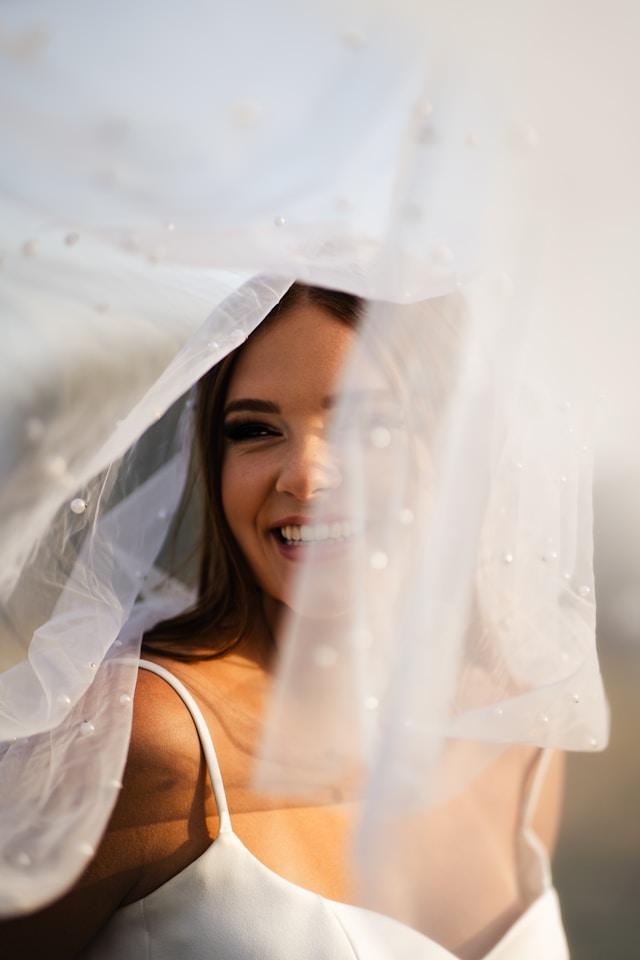
Photo by Brayden Prato on Unsplash
The Origins of the Bridal Veil
Brides have been wearing veils for thousands of years. In Ancient Rome, brides wore red or yellow veils to ward off evil spirits. In Medieval Europe, they were worn to symbolize the chastity and purity of the veil. In Victorian England, white veils became a symbol of wealth, status, and virginity.
Often, the veil was also used to shield the bride’s face from envious or malicious glances.
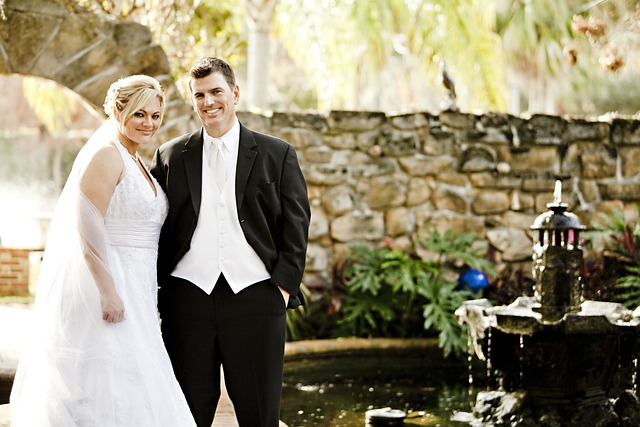
Photo by Christine Sandu on Unsplash
Modern Trends
Veils can vary in size and color. Some are also embellished with jewels, lace, and more, so that they fit the bride’s individual personality.
Here are a few things to consider:
- Choose a veil that coordinates with the dress.
- Be practical – you may want to forego the veil entirely if the wedding is outdoors and you’re afraid it will blow away.
- If you’re a feminist and don’t believe in being “given away,” you can opt out of the veil.
Veil Alternatives
There are also alternatives to wearing a veil that may suit the mood/theme of your wedding:
Headbands or Tiaras
Elegant and timeless, headbands or tiaras add sparkle and structure, perfect for brides who want a regal touch without a veil.
Floral Crowns
Made with fresh or faux blooms, floral crowns create a romantic, bohemian look that’s ideal for outdoor or garden weddings.
Hair Vines and Combs
These delicate accessories beautifully weave into hairstyles, offering subtle shimmer with crystals, pearls, or small flowers.
Other alternatives to veils include hairpins, fascinators, birdcage veils, headwraps or scarves, and wide-brimmed hats.
It’s Up to You
In the end, planning a wedding means balancing tradition with personal expression. Among the many choices you’ll make—like the venue, flowers, or attire—deciding whether to wear a veil is a deeply personal one. By understanding the veil’s origins, symbolism, and modern alternatives, you can confidently choose a look that feels meaningful and authentic to you on your special day.
Joking Hazard Deck Enhancement #1 - Expansion Pack for Fun Party Games by Cyanide & Happiness, 100 New Hilarious Comic Cards | Perfect for Game Night
$10.00 (as of March 3, 2026 16:43 GMT +00:00 - More infoProduct prices and availability are accurate as of the date/time indicated and are subject to change. Any price and availability information displayed on [relevant Amazon Site(s), as applicable] at the time of purchase will apply to the purchase of this product.)
Joking Hazard Enlarged Box Empty Box for Card Storage
$12.00 (as of March 3, 2026 16:43 GMT +00:00 - More infoProduct prices and availability are accurate as of the date/time indicated and are subject to change. Any price and availability information displayed on [relevant Amazon Site(s), as applicable] at the time of purchase will apply to the purchase of this product.)
Fire Blanket - 1500F CE Certified Emergency Fire Blanket for Home and Kitchen. 500GSM Fabric & 0.5mm Thick - 100% Fiberglass Fire Extinguisher for Car,Warehouse Office - 2pc (47x47 inches) by Supa Ant
$53.45 (as of March 3, 2026 16:43 GMT +00:00 - More infoProduct prices and availability are accurate as of the date/time indicated and are subject to change. Any price and availability information displayed on [relevant Amazon Site(s), as applicable] at the time of purchase will apply to the purchase of this product.)
RIVER OF GOODS Farmhouse LED Ceiling Fan - 52" L x 52" W - Metal Caged Fixture - Rich Barnwood/Light Driftwood Fan Blades
(as of March 3, 2026 16:43 GMT +00:00 - More infoProduct prices and availability are accurate as of the date/time indicated and are subject to change. Any price and availability information displayed on [relevant Amazon Site(s), as applicable] at the time of purchase will apply to the purchase of this product.)