The Secret Processes That Strip Caffeine and Alcohol—Revealed!
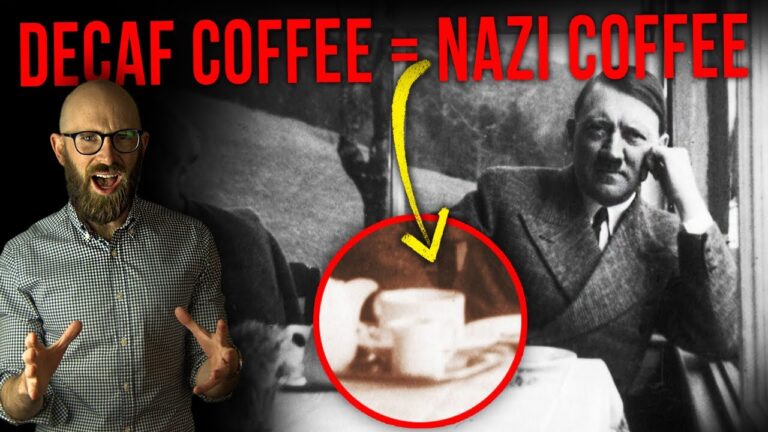
Kaffee HAG proved an instant success, with its innovative product, advertised as beneficial for the heart and nerves, meshing well with the various health and natural food movements of the 1910s and 20s. However, the company received a particular boost in the 1930s from an unexpected source: the Nazis. As part of their Lebensreform or “life reform” movement – intended to preserve the health and vitality of the Aryan Race, the Nazis promoted a more natural, “clean” lifestyle that eschewed supposed “poisons” like refined sugar, alcohol, tobacco, meat, and caffeine. Nazi propaganda railed against the dangers of caffeine, creating the perfect environment for Kaffee HAG to promote its products. At the 1937 Reichsausstellung Schaffendes Volk, a festival celebrating the accomplishments of the German people, over a dozen cantinas served Kaffee HAG decaffeinated coffee; while at the 1936 Nuremberg Rally the company supplied Kaba, a chocolate milk drink, to over 42,000 members of the Hitler Youth. The irony, of course, is that while the Nazis were decrying caffeine as poison, German soldiers and even many civilians were being actively supplied with Pervitin – a form methamphetamine – in order to ward off fatigue and boost performance both on and off the battlefield. Furthermore, Roselius’s decaffeination process left behind traces of benzene which, as a known carcinogen, was likely more dangerous to drinkers’ health than caffeine. For this reason, the modern direct decaffeination process uses safer solvents such as dichloromethane or ethyl acetate.
And despite his steadfast support of Hitler and his many attempts to join the Nazi party, Ludwig Roselius was never accepted as a party member for a number of reasons. For example, in 1932 – just prior to the Nazis’ rise to power – Kaffee HAG advertised its coffee as being Kosher and stated that:
“Anyone who drinks Kaffee HAG is dear and important to us. Which political affiliation or creed he is, is for us completely irrelevant.”
Furthermore, Roselius was a Freemason, supported various artists known to be members of the Communist Party, and patronized architectural projects frowned upon by the Nazi party. And while Third Reich health policies certainly played a large role in Sanka’s success in Germany, some historians have pointed out that similar Nazi campaigns against tobacco and alcohol were largely unsuccessful. Sanka’s appeal, they argue, lay more in its status as a luxury product, costing three times as much as regular coffee.
Nor did Kaffee HAG’s affiliation with the Nazis affect its popularity elsewhere. Indeed, Sanka is still sold around the world to this day, being a subsidiary brand of the Kraft Heinz multinational food corporation. Interestingly, in addition to being the first successful brand of decaf coffee, Sanka played another, influential role in modern coffee culture. To help its product stand out, Kaffee HAG sold Sanka in glass jars with distinctive bright-orange labels. During the First World War, the American subsidiary of Kaffee HAG was confiscated by the Office of Alien Property Custodian and turned into an independent American company, which in 1932 was purchased by General Foods. To help promote its new product, General Foods distributed coffee pots to cafes and restaurants across the country with handles or lids painted bright orange. This practice made it so easy for waitstaff to distinguish between regular and decaf coffee and became so ubiquitous that to this day orange coffee pots are universally associated with all decaf coffee – not just Sanka. And for more on another popular beverage that originated in the Third Reich, please check out our previous video How World War II Created One of the World’s Most Popular Soft Drinks.
In 1933, just as Ludwig Roselius and Kaffee HAG were starting to cosy up to the Nazi Party, a new decaffeination process known as the Swiss Water Method was developed which did not use any toxic organic solvents – only water. Originally invented by the Swiss Coffee S.A. company, the process was not truly perfected for another 5 decades, being finally introduced to the market in 1988 by the Swiss Water Decaffeinated Coffee Company of Burnaby, British Columbia, Canada. The Swiss Water Process is based around a substance called green coffee extract or GCE, produced by soaking green coffee beans in hot water and passing the resulting raw coffee through a series of activated charcoal filters to scrub out the caffeine molecules. The decaffeination process begins by soaking green coffee beans in GCE. As the GCE is hypotonic or deficient in caffeine compared to the beans, caffeine will leach out of the beans into the GCE. However, as the concentration of other compounds in the GCE is identical to that in the beans, those components stay put. Once equilibrium has been reached, the GCE is drained away, scrubbed of caffeine, and the process repeated. The Swiss Water Process takes around 8-10 hours start-to-finish and can remove 99.9% of the caffeine from coffee beans without the use of chemicals while preserving the beans’ original flavour profile. Coffee decaffeinated via this process is thus often marketed as more “natural”, “organic”, and “healthy” than other brands. However, because water is used in the early stages of the process, coffee decaffeinated using the indirect organic solvent method is also often marketed as “water-processed” – so buyer beware!
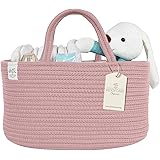
KiddyCare Diaper Caddy Organizer for Baby Nursery Basket with Handle Lid Nursing Caddy with Changing Table Organizer Cart Newborn Caddy Rosy (Floral Print) X-Large
$16.50 (as of March 3, 2026 16:43 GMT +00:00 - More infoProduct prices and availability are accurate as of the date/time indicated and are subject to change. Any price and availability information displayed on [relevant Amazon Site(s), as applicable] at the time of purchase will apply to the purchase of this product.)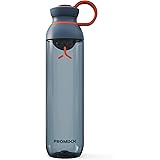
Promixx FORM Sports Water Bottle - Premium BPA Free Water Bottle for Fitness Sports & Outdoors - Sustainable Drinks Bottle with Measurement Markers and Leakproof Lid - 760ml / 26oz (Midnight Blue)
$19.99 (as of March 3, 2026 16:43 GMT +00:00 - More infoProduct prices and availability are accurate as of the date/time indicated and are subject to change. Any price and availability information displayed on [relevant Amazon Site(s), as applicable] at the time of purchase will apply to the purchase of this product.)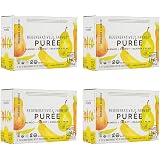
White Leaf Provisions Organic Purees / Baby Food Pouches - Fruits, Veggies & Grains, Toddler snack, Regeneratively Farmed, No Added Sugar, Non-GMO, BPA-Free Pouches 3.17 oz (Pack of 24, Mango + Carrot + Banana + Pear)
$70.37 (as of March 3, 2026 16:43 GMT +00:00 - More infoProduct prices and availability are accurate as of the date/time indicated and are subject to change. Any price and availability information displayed on [relevant Amazon Site(s), as applicable] at the time of purchase will apply to the purchase of this product.)
RIVER OF GOODS Coastal 52 Inch Wooden Bead LED Ceiling Fan, Cream
(as of March 3, 2026 16:43 GMT +00:00 - More infoProduct prices and availability are accurate as of the date/time indicated and are subject to change. Any price and availability information displayed on [relevant Amazon Site(s), as applicable] at the time of purchase will apply to the purchase of this product.)
















Post Comment