The Secret Processes That Strip Caffeine and Alcohol—Revealed!
Meanwhile, across the Atlantic, the development of de-alcoholized beer was largely spurred by the passing of the 1919 Volstead Act, which made the sale and consumption of “intoxicating liquors for beverage purposes” illegal in the United States. The Act defined “intoxicating liquors for beverage purposes” as those containing more than 0.5% alcohol by content – a cutoff which rankled alcohol producers. 0.5%, they complained, was less than the alcohol content of sauerkraut and not based on any scientific data on intoxication. In reality, legislators had simply borrowed this figure from the Internal Revenue Service, which used it to distinguish taxable beverages from non-taxable ones. Yet despite mass protests by alcohol producers and labour organizations – including a 20,000-man march down New York’s Fifth Avenue on July 4, 1919 – the Government held firm, and in the face of Prohibition breweries, wineries, and distilleries were forced to take creative measures in order to stay in business. Many major breweries, including Schlitz, Anheuser-Busch, Pabst, and Miller responded by producing “near beers” or “malt beverages” like Bevo, Pablo, Vivo, and Famo, which were regular beer which had been boiled to bring the alcohol content below the 0.5% limit. Amusingly, near beer was often surreptitiously delivered to customers with a separate package containing the alcohol which had been boiled off, which could be re-inserted into the beer using a syringe to create so-called “needle beer.” Yet while near beer was likely better than nothing for thirsty Americans, the flavour that resulted from the de-alcoholization process left much to be desired, leading one dissatisfied customer to quip: “Whoever called it near beer was a poor judge of distance!”
Other Prohibition dodges were even more brazen. In addition to near beer, many breweries produced malt extract, which, while perfectly legal in itself, could easily be mixed with water and yeast to produce home-brew beer. Similarly, Fruit Industries Ltd, a front company of the California Vineyardist Association, sold bricks of grape concentrate called Vine-Glo. Though officially intended for making grape juice, the Vine-Glo bricks came packaged with an oddly specific – and very cheeky – warning:
“After dissolving the brick in a gallon of water, do not place the liquid in a jug away in the cupboard for twenty days, because then it would turn into wine.”
With the repeal of Prohibition in 1933, the market for non-alcoholic wine and beer suddenly dried up – not to be revived for another four decades. In the 1970s, Texas-based oil worker Manny Zelzer spent a great deal of time travelling to and from the Middle East. There, many of his friends colleagues had developed a taste for American beer, and asked him to bring some back from home. However, due to Islamic prohibitions, many Middle Eastern countries had banned the production or importation of alcohol. Zelzer got around this problem by boiling his favourite brands to remove the alcohol before importing them. This de-alcoholized beer proved so popular that Zelzer soon launched his own brand, Texas Select, which by the 1980s was being sold across the Middle East and in countries such as Japan, Canada, and Korea. This was followed in 1990 by the launch of O’Doul’s, still one of the most popular non-alcoholic beers on the market. While initially slow to catch on, non-alcoholic beers and wines steadily grew in popularity thanks to growing public concerns over the negative health impacts of alcohol. Health concerns also spurred the development of low-calorie light beers, which tend to have a lower alcohol as well as carbohydrate content. Today, the non-alcoholic drinks market is worth over $11 billion worldwide.
One of the major reasons non-alcoholic wine and beer took so long to become popular is their poor reputation when it comes to taste. Unlike caffeine, ethanol is difficult to remove without stripping out beneficial flavour compounds like esters, flavonoids, and monoterpenes; or increasing the concentration of unpleasant-tasting compounds like tannins and acids. Furthermore, alcohol itself contributes enormously to the texture and flavour profile of these beverages, and can leave them tasting bland and watered-down when removed. This problem is most prominent in wine, which on average contains around 12% alcohol by volume. Beer, by contrast, contains on average 5% alcohol by volume and is comparatively easier to de-alcoholize without affecting flavour. Furthermore, beer typically contains other flavourings like hops which can potentially mask any flavour deficiencies produced by the de-alcoholization process.
Today, several different methods are used to lower or eliminate the alcohol in wine, beer, and cider. These techniques are classified according to when in the production process they are applied: pre-fermentation, fermentation, or post-fermentation.
Reducing alcohol content pre-fermentation involves reducing the amount of sugar in the grape juice or mash which the yeast can convert into ethanol. This can be done in a variety of ways. For example, trimming the vine leaves at various points in the growing process or harvesting the grapes early can reduce the amount of sugar that accumulates in the grapes themselves. Even simpler, the grape must or juice can be diluted with water prior to fermentation to reduce the sugar concentration. However, this act is actually illegal in many major wine-producing nations including Australia, France, Germany, New Zealand, and South Africa. Alternatively, the juice or mash can be passed through microfilters or treated with special enzymes like glucose oxidase to remove some of the sugar. Of course, some sugar must be retained otherwise fermentation cannot occur. During fermentation itself, alcohol production can be reduced by halting fermentation early or by using of alternative, non-Saccharomyces cerevisiae or NS yeasts which generate less ethanol than traditional yeast varieties. However, most wines and beers produced using these techniques still fall above the 0.5-1.2% alcohol concentration required to be classified as low-alcohol or alcohol-free, while the few that meet this requirement are typically inferior in taste. For this reason, most non-alcoholic wines and beers are produced by removing the alcohol after fermentation.
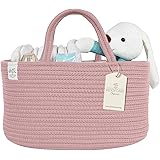
KiddyCare Diaper Caddy Organizer for Baby Nursery Basket with Handle Lid Nursing Caddy with Changing Table Organizer Cart Newborn Caddy Rosy (Floral Print) X-Large
$16.50 (as of March 3, 2026 16:43 GMT +00:00 - More infoProduct prices and availability are accurate as of the date/time indicated and are subject to change. Any price and availability information displayed on [relevant Amazon Site(s), as applicable] at the time of purchase will apply to the purchase of this product.)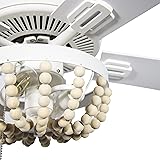
RIVER OF GOODS Coastal 52 Inch Wooden Bead LED Ceiling Fan, Cream
(as of March 3, 2026 16:43 GMT +00:00 - More infoProduct prices and availability are accurate as of the date/time indicated and are subject to change. Any price and availability information displayed on [relevant Amazon Site(s), as applicable] at the time of purchase will apply to the purchase of this product.)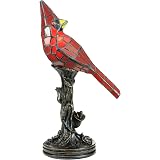
RIVER OF GOODS Stained Glass Bird Accent Lamp - 8" W x 13.5" H - Tiffany Style Table Lamps for Home, Office Desk, Bedroom, Nightstand - Blue Jay Decor
(as of March 3, 2026 16:43 GMT +00:00 - More infoProduct prices and availability are accurate as of the date/time indicated and are subject to change. Any price and availability information displayed on [relevant Amazon Site(s), as applicable] at the time of purchase will apply to the purchase of this product.)
Supa Ant Silicone Fire Cloak for Fireproof Suit Emergency Blanket for Home and Kitchen - Emergency Poncho as Heat Shield Blanket -Fire Resistant Hoodie-Escape Suit with Cape and Hood (70x55 in.-Large)
$83.99 (as of March 3, 2026 16:43 GMT +00:00 - More infoProduct prices and availability are accurate as of the date/time indicated and are subject to change. Any price and availability information displayed on [relevant Amazon Site(s), as applicable] at the time of purchase will apply to the purchase of this product.)
















Post Comment