The Surprising Truth Behind 1950s Pregnancy Tests Involving Live Frogs—And Why They Worked Better Than You Think
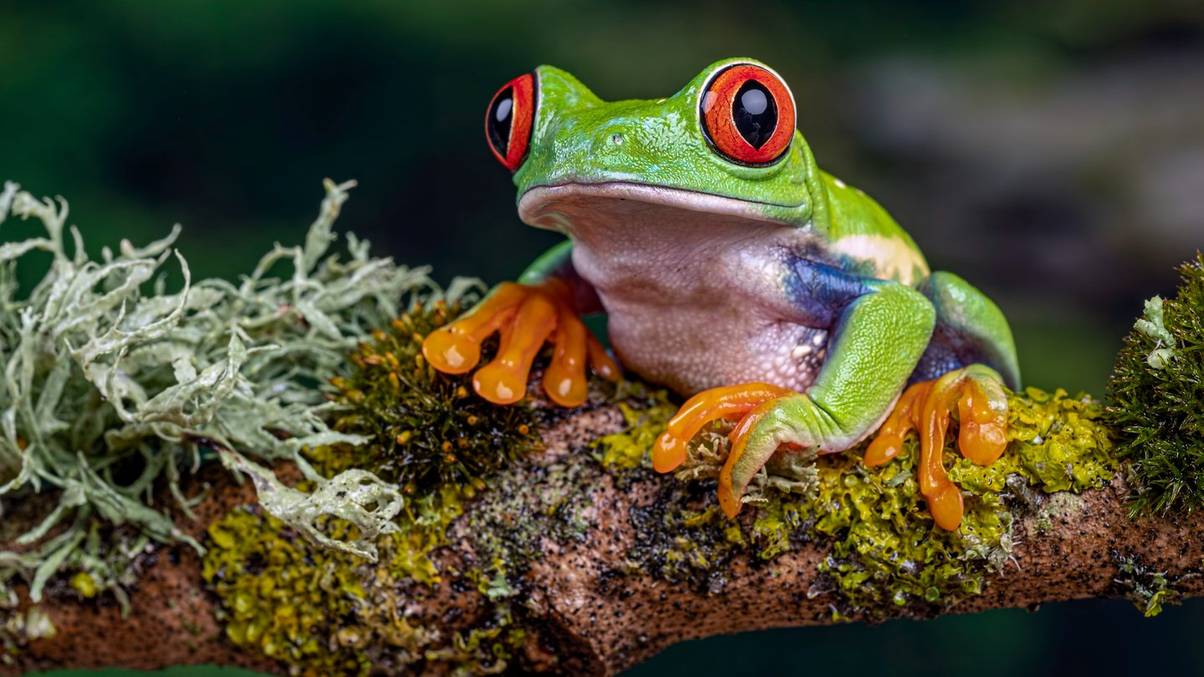
Imagine this: instead of reaching for a pregnancy test stick, doctors once turned to frogs. Yep, frogs. Not to catch flies or hop around your backyard, but as bona fide, egg-laying detectors of pregnancy. It sounds bonkers, but it worked — injecting a female African clawed frog’s leg with a woman’s urine would prompt the frog to ovulate if she was expecting. How wild is that? Before the dawn of the 1970s’ plastic sticks, the “Hogben test” exploited this slimy secret, turning these amphibians into the ultimate tiny life-savers. Science and nature teamed up in the most unexpected way, proving that sometimes truth is stranger—and way more fun—than fiction. So next time you think pregnancy tests have come a long way, just picture a pond full of frogs waiting for their cue.
There was a very strange tradition back in history where people used frogs to correctly identify if a patient was pregnant – and it worked in the weirdest way.
Science is amazing, and the way that the bodies of frogs work is equally as cool.
The slimy little creatures are more than just household pets and fly catchers – they’re nature’s pregnancy detectors, too.
According to Smithsonian Magazine, women conducted the ‘Hogben test’ before traditional pregnancy tests were created in the 1970s.
That’s right, 50 years ago and beyond, people were using urine and frogs to figure things out, but to clarify, they weren’t urinating on the frogs.
Instead, female African clawed frogs were being imported and injected with urine into their hind legs before being put back in their cages.
If the frog ovulated and bore eggs, the patient was pregnant.

Replace the stick with a frog and you’ll be transported to the 50s (Getty Stock Images)
If not, better luck next time.
So, how does this work? Well, apparently the chorionic gonadotropin pregnancy hormone in the human body kickstarts ovulation in frogs.
In 1938, Dr Edward R. Elkan wrote about the test in the British Medical Journal, dubbing it the ‘xenopus pregnancy test’. “The discovery of what is now known as the xenopus pregnancy test is based on experiments conducted by Hogben (1930, 1931), who observed that hypophysectomy produced ovarian retrogression, and the injection of anterior pituitary extracts ovulation, in the female South African clawed toad.”
The reason why it became such a great method was because previously they’d do the same to mice, but would then have to dissect them to check for changes in their ovaries.
However, ‘toads were reusable and could be conveniently kept in aquaria’.
He added: “Among the 295 tests which I have done so far and in which 2,112 frogs were used I have not seen one clear positive that did not indicate a pregnancy. There were a few negative results which when repeated after a fortnight became positive, but I do not think that these can be regarded as failures.”
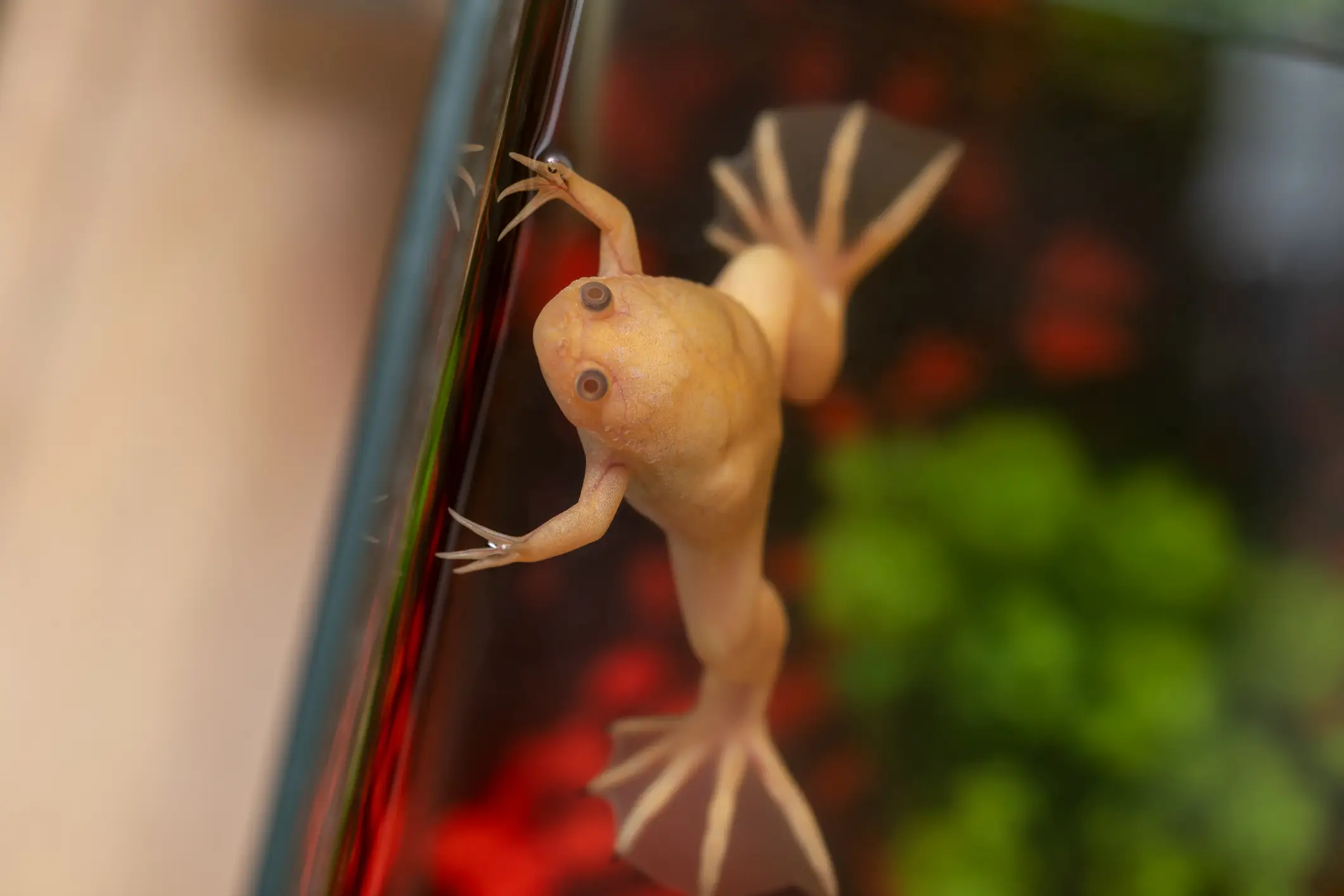
The frogs interact with female pregnancy hormones (Getty Stock Images)
But this isn’t the only strange pregnancy method that has been used before the invention of the stick.
Ancient Egyptians, for example, used to urinate on wheat and barley to test. If it sprouted, it meant they were pregnant. If not, they’ve probably ruined their dinner.
Fire Blanket - 1500F CE Certified Emergency Fire Blanket for Home and Kitchen. 500GSM Fabric & 0.5mm Thick - 100% Fiberglass Fire Extinguisher for Car,Warehouse Office - 2pc (47x47 inches) by Supa Ant
$53.45 (as of February 16, 2026 16:08 GMT +00:00 - More infoProduct prices and availability are accurate as of the date/time indicated and are subject to change. Any price and availability information displayed on [relevant Amazon Site(s), as applicable] at the time of purchase will apply to the purchase of this product.)
The Door Balancer Eliminates The Need for Door Props, Door Stops and Door Wedges
$7.99 (as of February 16, 2026 16:08 GMT +00:00 - More infoProduct prices and availability are accurate as of the date/time indicated and are subject to change. Any price and availability information displayed on [relevant Amazon Site(s), as applicable] at the time of purchase will apply to the purchase of this product.)
Rhythm Superfoods Cripsy Beet Chips, Salted, Organic and Non-GMO, Vegan/Gluten-Free Superfood Snacks, 1.4 Oz (Pack of 4)
(as of February 16, 2026 16:08 GMT +00:00 - More infoProduct prices and availability are accurate as of the date/time indicated and are subject to change. Any price and availability information displayed on [relevant Amazon Site(s), as applicable] at the time of purchase will apply to the purchase of this product.)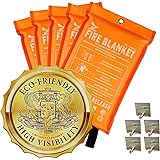
Fire Blanket - 1500F CE Certified Emergency Fire Blanket for Home and Kitchen. 500GSM Fabric & 0.5mm Thick - 100% Fiberglass Fire Extinguisher for Car,Warehouse Office - 5pc (40x40 inches) by Supa Ant
(as of February 16, 2026 16:08 GMT +00:00 - More infoProduct prices and availability are accurate as of the date/time indicated and are subject to change. Any price and availability information displayed on [relevant Amazon Site(s), as applicable] at the time of purchase will apply to the purchase of this product.)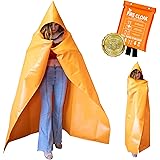





















Post Comment