The Untold Legacy of the Stonewall Riots: How One Night Sparked a Revolution in Gay Rights
Think a dingy dive bar can launch a revolution? Neither did anyone inside the Stonewall Inn on that fateful June night in 1969. With botched bootleg booze and the absence of fire exits, it hardly screamed “historic landmark.” Yet, beneath its flickering lights in Greenwich Village, a community craving freedom was about to clash with the law in a way that would put gay rights on the map forever. And here’s the kicker — this wasn’t some mass-organized event. It exploded spontaneously when a single shot glass shattered glass ceilings and ignorance alike. So, how did a mob-backed, unlicensed watering hole become the crucible for one of the most pivotal uprisings in LGBTQ history? Buckle up, because this is more than just a bar fight — it’s the story of grit, identity, and the sheer refusal to be shoved back in the closet.
New York’s Stonewall riots of 1969 saw members of the LGBTQ community clash with police in what’s widely considered as a flashpoint for the gay rights movement.
The Stonewall riots put gay rights on the map — but when the first shot glass was thrown, nobody involved knew they were going to alter the course of history.
Welcome To The Stonewall Inn
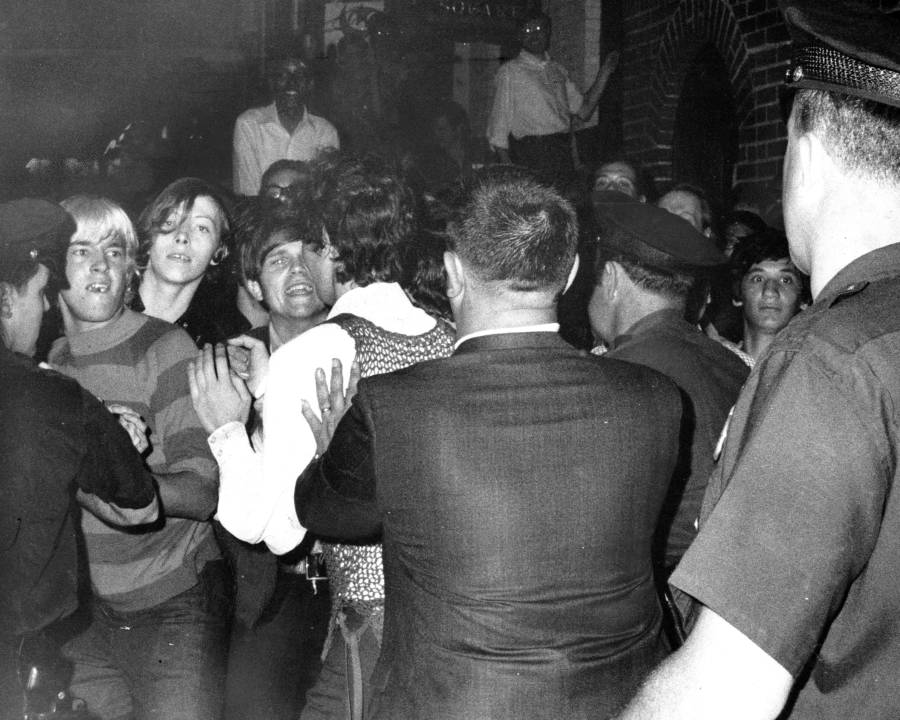
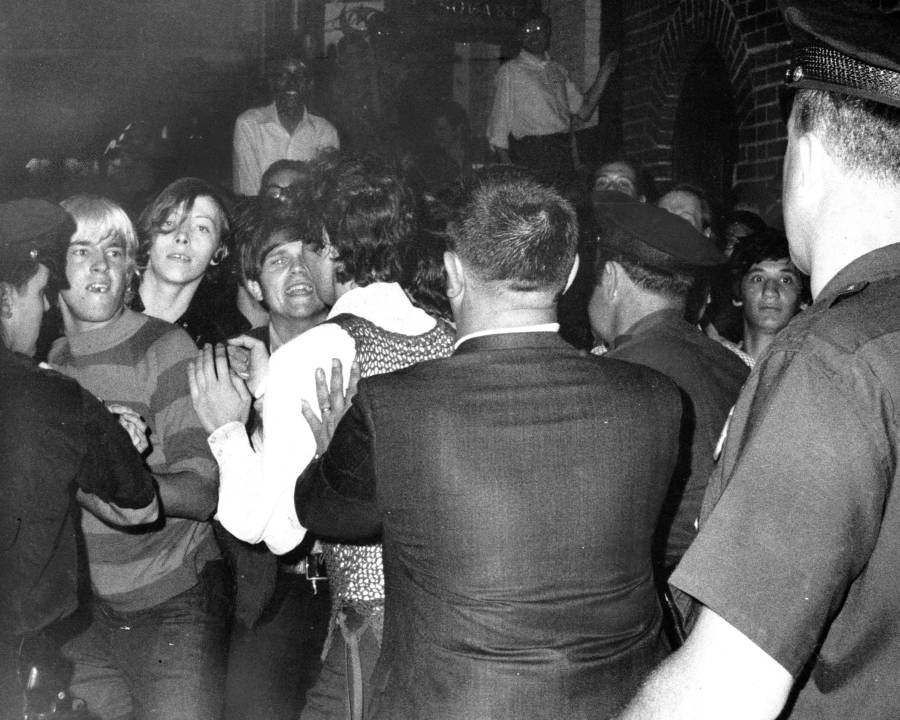
NY Daily News Archive via Getty ImagesCrowds clash with police just outside the Stonewall Inn at 53 Christopher Street during the Stonewall riots.
It did not look like a place that could start a revolution.
It was a dive bar — but even that characterization was optimistic, since it couldn’t get a liquor license. Its drinks were bootlegged and heavily watered down. The contents of no bottle ever matched its label. There were no fire exits, and there was no running water; glasses were rinsed and immediately reused.
But in that Greenwich Village tavern, there was music, there was dancing, and there was freedom. It was one of the only places for New York’s gay community to socialize and truly be themselves.
For this, they had the Mafia to thank.
In 1969, being gay was as illegal as stealing cars or embezzling money. Public displays of affection or dressing in drag could result in charges of gross indecency and lewdness, and the penalty was arrest or a meeting with a billy club.
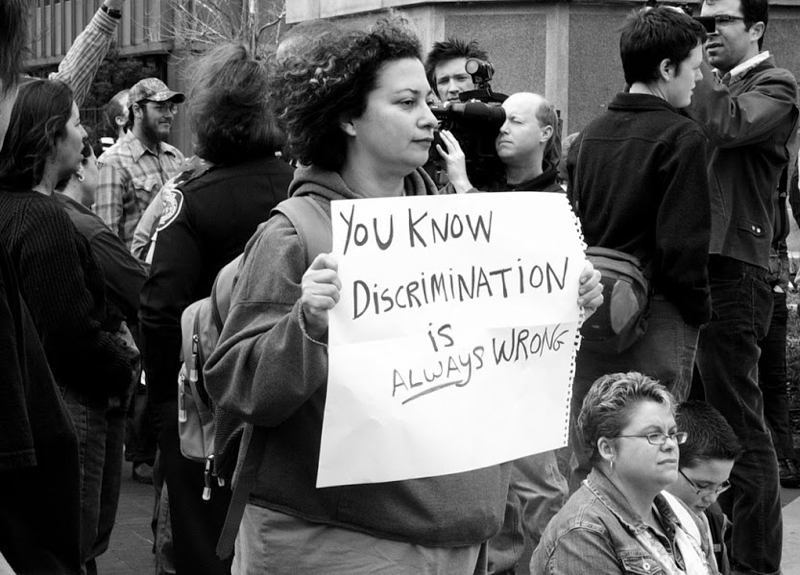
The Stonewall riots were just the beginning; the fight for equality continues today.
As with all illegal activity happening in its purview, the Genovese crime family wanted in. The market, they knew, was there: at the time, New York City had the largest gay population in the United States.
So the mob became the financial backer of New York’s underground gay scene, funding the 181 Club, the Howdy Club, and The Stonewall Inn. The crime family’s involvement allowed the fledgling gay bars to sidestep the biggest obstacle in their path: law enforcement.
The state of New York was deeply committed to upholding anti-sodomy laws — so committed, in fact, that it set about entrapping potential lawbreakers. Police vice squads pursued LGBTQ individuals, bought them drinks, and made offers — and then arrested those who accepted.
The Mafia couldn’t pay off every police officer in the city. By the mid 1960s, over 100 men were being arrested per week and it was in that climate that the raid on the Stonewall Inn took place.
The Raid On The Stonewall
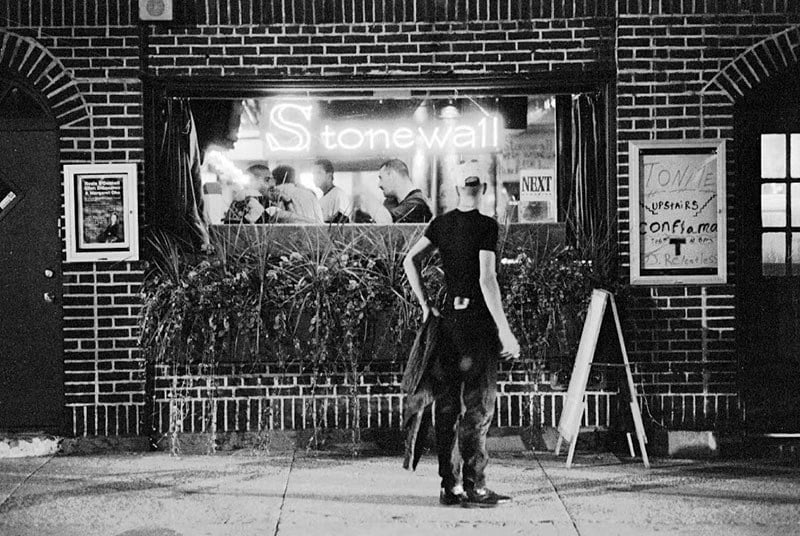
Whose Streets Our StreetsThe Stonewall Inn, site of the Stonewall riots, as depicted in the 2015 movie Stonewall.
In the chaotic aftermath of the night of June 27, 1969, there were two things everyone who had been at the Stonewall Inn could agree on: what happened had happened fast, and it had been entirely spontaneous.
When police burst through the doors at 1:20 AM, the bartender knew something had gone wrong. He had thought the establishment was in the clear that night; though there had been rumors and a recent spate of raids — notably those on the Snake Pit and the Sewer — he hadn’t received a tipoff that the Stonewall would be hit.
To this day, nobody knows why he didn’t. Some speculate that the Stonewall was behind on its payments to dirty cops. Others suggest that the Mafia management had become more interested in blackmailing wealthy Stonewall patrons than selling liquor at a dive bar.

Wikimedia CommonsThe layout of the Stonewall Inn, where the Stonewall riots began.
Either way, the raid caught the Stonewall staff entirely unprepared. There was no time to hide the liquor and no chance to warn patrons. It was the club’s worst nightmare.
The patrons were told to line up against the wall and be ready to produce their identification. Those whose gender didn’t appear to match their driver’s license would be arrested, and those without identification would be taken into another room to have their sex verified.
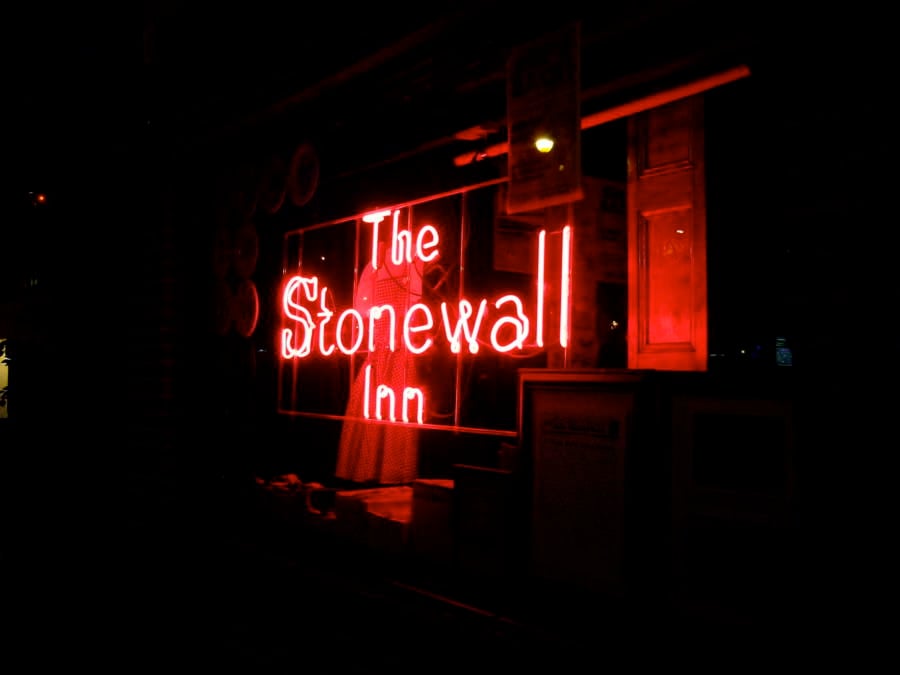
FlickrThe sign of the Stonewall Inn, site of the 1969 Stonewall riots.
It was a severe blow. The Stonewall Inn was a sanctuary for drag queens, who were not always welcomed even at other gay bars. It was also a favorite haunt of underage and homeless members of the LGBTQ community.
In short, on the morning of June 28, the Stonewall was full of people who had every reason not to want to show their IDs.

Joking Hazard Enlarged Box Empty Box for Card Storage
$12.00 (as of March 3, 2026 16:43 GMT +00:00 - More infoProduct prices and availability are accurate as of the date/time indicated and are subject to change. Any price and availability information displayed on [relevant Amazon Site(s), as applicable] at the time of purchase will apply to the purchase of this product.)
The Door Balancer Eliminates The Need for Door Props, Door Stops and Door Wedges
$7.99 (as of March 3, 2026 16:43 GMT +00:00 - More infoProduct prices and availability are accurate as of the date/time indicated and are subject to change. Any price and availability information displayed on [relevant Amazon Site(s), as applicable] at the time of purchase will apply to the purchase of this product.)
Supa Ant Silicone Fire Cloak for Fireproof Suit Emergency Blanket for Home and Kitchen - Emergency Poncho as Heat Shield Blanket -Fire Resistant Hoodie-Escape Suit with Cape and Hood (70x55 in.-Large)
$83.99 (as of March 3, 2026 16:43 GMT +00:00 - More infoProduct prices and availability are accurate as of the date/time indicated and are subject to change. Any price and availability information displayed on [relevant Amazon Site(s), as applicable] at the time of purchase will apply to the purchase of this product.)
RIVER OF GOODS Alabaster LED Mesh Caged Ceiling Fan - 52" L X 52" W - White/Oak Wood-Grain Blades
(as of March 3, 2026 16:43 GMT +00:00 - More infoProduct prices and availability are accurate as of the date/time indicated and are subject to change. Any price and availability information displayed on [relevant Amazon Site(s), as applicable] at the time of purchase will apply to the purchase of this product.)