Unearthed Off Denmark: The Mysterious Medieval Super Ship That Challenges Everything We Know About Ancient Naval Power
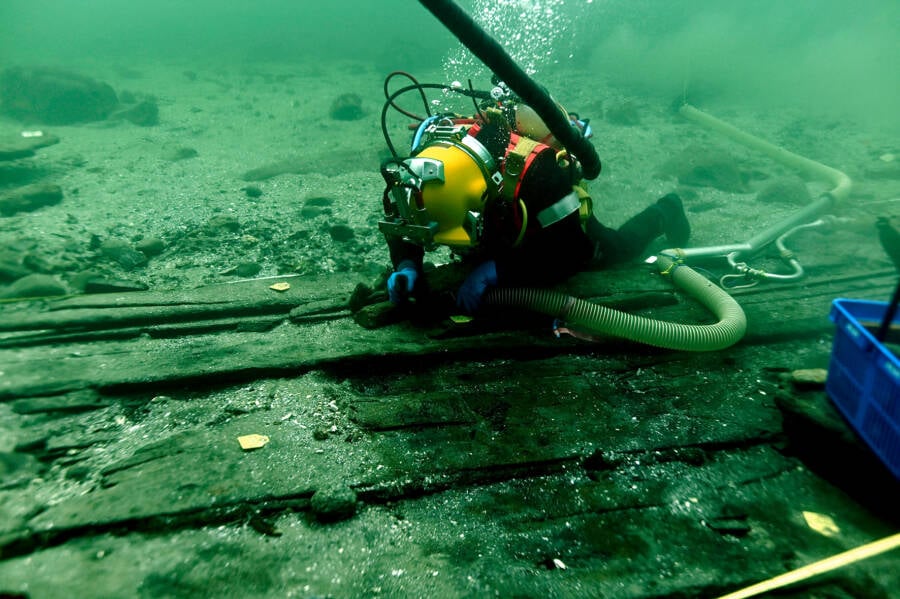
Imagine stumbling upon a medieval cargo ship so colossal it makes your average container vessel look like a dinghy. That’s exactly what happened when maritime archaeologists in Copenhagen unearthed the Svaelget 2 — a gargantuan cog measuring 92 feet long, 30 feet wide, and able to haul up to 300 tons of cargo. Hidden beneath the sands for over six centuries in the chilly waters between Denmark and Sweden, this “super ship” rewrites what we thought we knew about medieval trade and naval engineering. Ever wonder what secrets the biggest trading ship of the Middle Ages might whisper to us now? Well, grab your scuba gear, because this discovery offers a peek into an era where shipping wasn’t just a job—it was the backbone of an international economy. Dive in and see what makes Svaelget 2 the silent giant of the seas.
Measuring 92 feet long by 30 feet wide and capable of carrying up to 300 tons, the Svaelget 2 is the largest vessel of its type ever found.
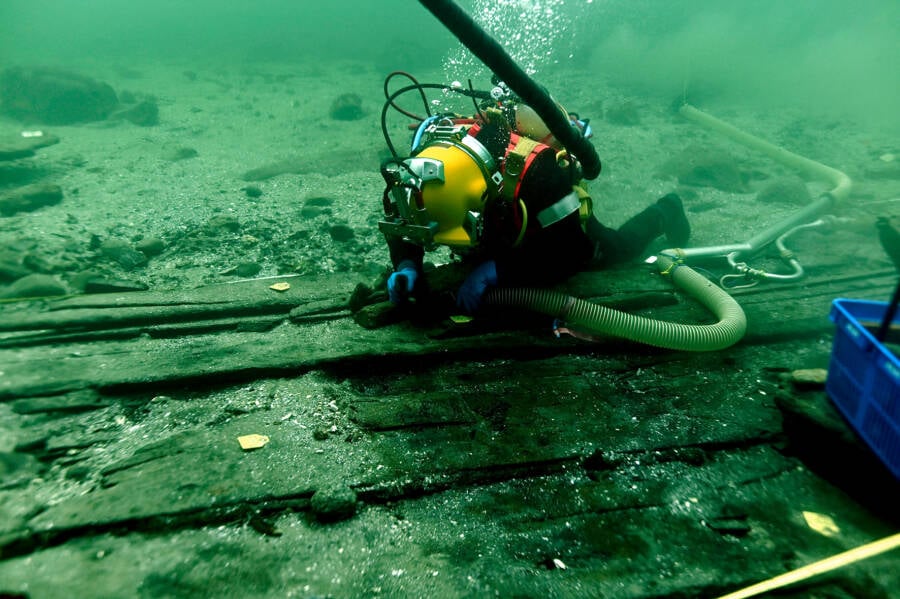
Viking Ship MuseumMaritime archaeologists excavating the wreckage of the Svaelget 2.
Maritime archaeologists in Copenhagen have discovered the world’s largest cog, a type of medieval cargo ship that was once the backbone of Northern European trade. This particular vessel had been hidden just under the seabed for 600 years in the waters between Denmark and Sweden.
The vessel, named Svaelget 2, measures about 92 feet long, 30 feet wide, and 20 feet high, with an estimated cargo capacity of 300 tons. Built around 1410, it represents the largest example of its type ever found.
“The find is a milestone for maritime archaeology. It is the largest cog we know of, and it gives us a unique opportunity to understand both the construction and life on board the biggest trading ships of the Middle Ages,” said excavation leader Otto Uldum in a statement from the Viking Ship Museum.
The Discovery Of The Svaelget 2, The Largest Medieval Cog Ever Found
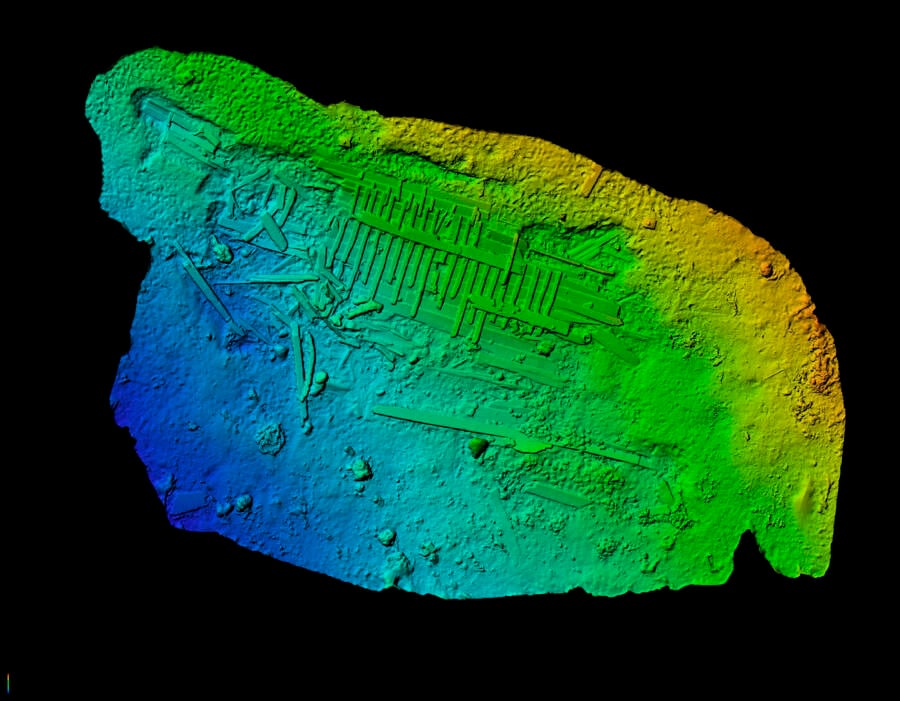
Viking Ship MuseumA 3D model illustrating the elevation of the wreck.
The wreck was excavated at a depth of 43 feet, where it was protected from keel to gunwale by sand. This shielded Svaelget 2 from many of the forces that would typically destroy a ship so near to the coast – and, more remarkably, this is the first time that this level of natural protection has been seen in a cog before. As such, the ship was incredibly well preserved.
“It is extraordinary to have so many parts of the rigging,” Uldum said. “We have never seen this before, and it gives us a real opportunity to say something entirely new about how cogs were equipped for sailing.”
Dendrochronological analysis shows the ship was built using timber from both Pomerania, in modern-day Poland, and the Netherlands. The planks were made of Pomeranian oak, while the ship’s ribs came from the Netherlands.
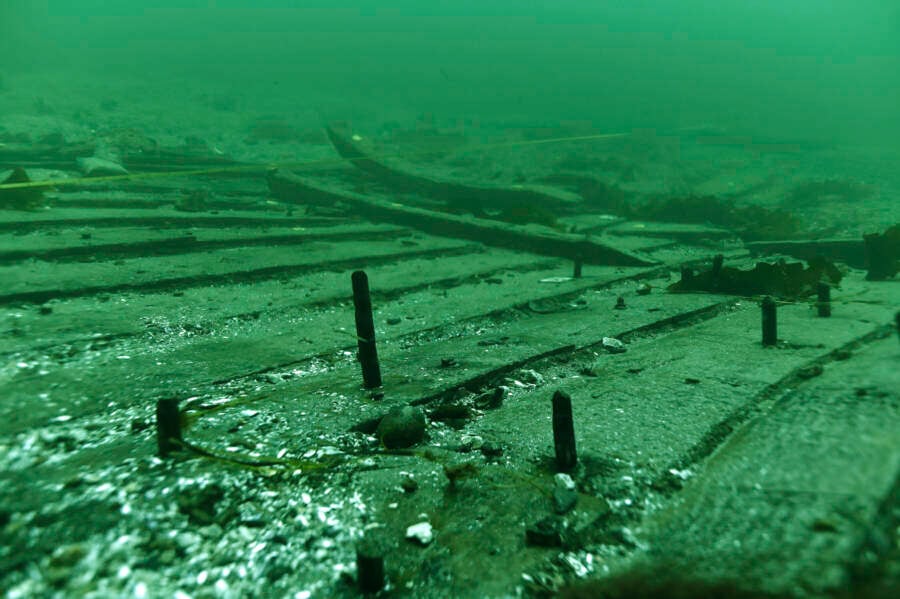
Viking Ship MuseumThe ribs of the Svaelget 2.
“It tells us that timber exports went from Pomerania to the Netherlands, and that the ship was built in the Netherlands where the expertise to construct these very large cogs was found,” Uldum said.
The cog was an efficient type of ship that could be sailed by a small crew, even when heavily loaded. Large cogs were built to make the hazardous voyage around Skagen from the Netherlands through the Sound to reach Baltic trading towns.
“A ship with such a large cargo capacity is part of a structured system where merchants knew there was a market for the goods they carried,” Uldum added. “Svaelget 2 is a tangible example of how trade developed during the Middle Ages.”
How Medieval Cogs Transformed Trade In Northern Europe

Viking Ship MuseumVarious pieces of salvage from the shipwreck.
Experts have referred to the cog as a “super ship” of the Middle Ages, allowing sailors to transport massive quantities of goods at substantially lower costs.
During the 14th and 15th centuries, this “revolutionized” the exchange of goods, transforming trade patterns and allowing everyday commodities to be sent across great distances. Such long-distance trade had previously been limited to luxury goods.
Medieval cogs were distinctly characterized by the presence of high castles at the bow and stern, but these have only ever been observed in illustrations of the vessels.
That is, until now.
“We have plenty of drawings of castles, but they have never been found because usually only the bottom of the ship survives,” Uldum said. “This time we have the archaeological proof.”
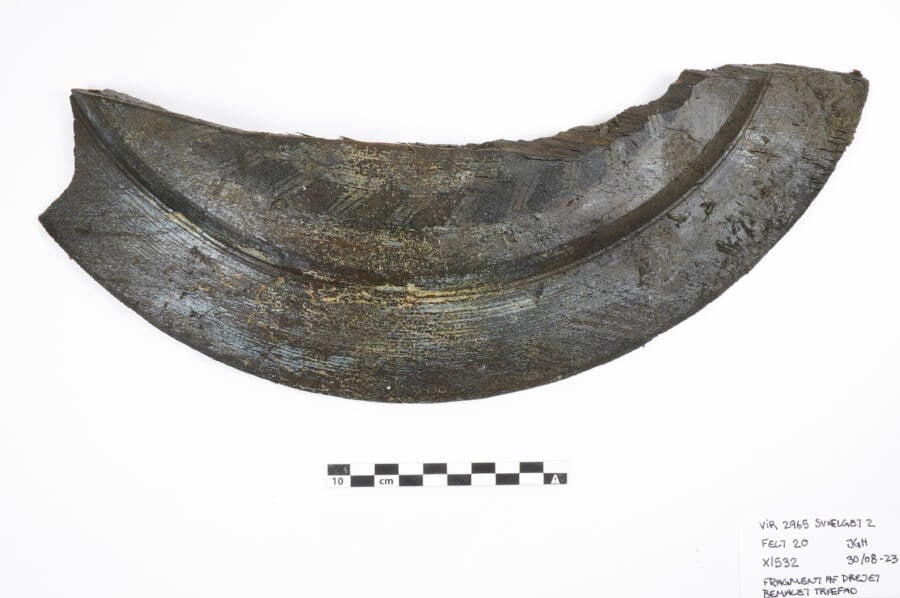
Viking Ship MuseumA painted wooden dish found in the galley of the Svaelget 2.
Not only were researchers greeted by the remains of a real timber-built castle among the wreckage, but they were also surprised to discover the ship’s brick-built galley, the earliest example of its kind from Danish waters. Around 200 bricks and 15 tiles were used to make the galley, among which archaeologists found bronze cooking pots, ceramic bowls, and the remains of fish and meat.
Other objects found among the wreckage provided unique insight into everyday life. These included painted wooden dishes, shoes, combs, and rosary beads.

SkaterTrainers- Skateboard Tricks Fast No Experience Needed- Fun, Safe, and Easy- Ollies, Kickflips and More- All Ages- Accessories Make Great Stocking Stuffers Gifts for Teen Boys and Girls
$28.99 (as of March 3, 2026 16:43 GMT +00:00 - More infoProduct prices and availability are accurate as of the date/time indicated and are subject to change. Any price and availability information displayed on [relevant Amazon Site(s), as applicable] at the time of purchase will apply to the purchase of this product.)
RIVER OF GOODS Coastal 52 Inch Wooden Bead LED Ceiling Fan, Brown
(as of March 3, 2026 16:43 GMT +00:00 - More infoProduct prices and availability are accurate as of the date/time indicated and are subject to change. Any price and availability information displayed on [relevant Amazon Site(s), as applicable] at the time of purchase will apply to the purchase of this product.)
Fire Blanket - 1500F CE Certified Emergency Fire Blanket for Home and Kitchen. 500GSM Fabric & 0.5mm Thick - 100% Fiberglass Fire Extinguisher for Car,Warehouse Office - 2pc (47x47 inches) by Supa Ant
$53.45 (as of March 3, 2026 16:43 GMT +00:00 - More infoProduct prices and availability are accurate as of the date/time indicated and are subject to change. Any price and availability information displayed on [relevant Amazon Site(s), as applicable] at the time of purchase will apply to the purchase of this product.)
Supa Ant Silicone Fire Cloak for Fireproof Suit Emergency Blanket for Home and Kitchen - Emergency Poncho as Heat Shield Blanket -Fire Resistant Hoodie-Escape Suit with Cape and Hood (70x55 in.-Large)
$83.99 (as of March 3, 2026 16:43 GMT +00:00 - More infoProduct prices and availability are accurate as of the date/time indicated and are subject to change. Any price and availability information displayed on [relevant Amazon Site(s), as applicable] at the time of purchase will apply to the purchase of this product.)