Could This Little-Known Diet Secret Protect You from Dementia?

Ever wonder if the secret to dodging dementia lies not in some fancy pill but on your dinner plate? Well, turns out a doctor insists that what we chow down might be a major clue — and it’s eerily similar to the famed ‘Blue Zone’ diet. Now, if you’re scratching your head wondering what on earth the ‘Blue Zone’ diet is, picture this: pockets in the world where folks not only outlive their birthdays but hit triple digits while eating modest portions of beans, nuts, and yes, a cheeky little glass of red wine. Sounds like a lifestyle recipe for the ages, right? But could embracing this humble diet really shield your brain from the foggy decline of dementia, a collection of diseases that mess with memory, speech, and emotions? Let’s dig into what makes these diets special, why some scientists are doubting the longevity claims, and whether noshing on fava beans should be your next brain boost. Ready to rethink your snack game?
A doctor has listed some of the things we should be eating to avoid dementia, which is remarkably similar to the famous ‘Blue Zone’ diet.
The causes of dementia – a group of degenerative diseases that affect memory, speech, emotions, and cognitive skills – are only partly understood, and diet may be an important piece of the puzzle.
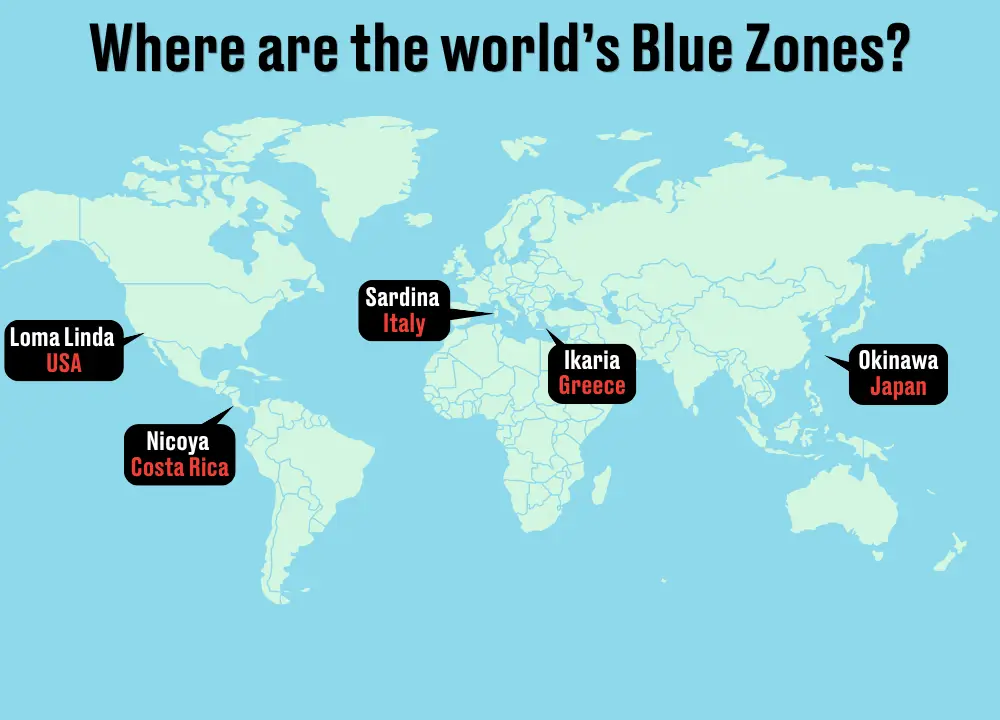
As a refresher, the term ‘Blue Zone’ was coined in 2004 by Dan Buettner, who claimed to have found five small pockets around the world where people lived to an incredibly old age.
These were six villages in Sardinia; five cantons in Nicoya, Costa Rica; Ikaria island in Greece; and Okinawa island in Japan; and Loma Linda, California.
Buettner found that an unusually high number of people in these often remote places were living beyond the age of 100, and he thought an important part of that was what they ate.
What is the ‘Blue Zone’ diet?

Ikaria, Greece, is one of five blue zones (Getty Stock Images)
The diets of folks in ‘Blue Zones’ included lots of beans (fava, black, soy, and lentils), and meat only five times a month, served in very small portions.
They also tended to limit their intake of dairy, sugar, fish and eggs in favour of nuts and fermented foods.
While this might sound a very unexciting way to live your life, they also drank red wine in moderation, generally a small glass with a meal. Cheers to that.
How does the ‘Blue Zone’ diet help with dementia?
A new study has examined how what people eat might be linked to how likely they are to develop dementia.
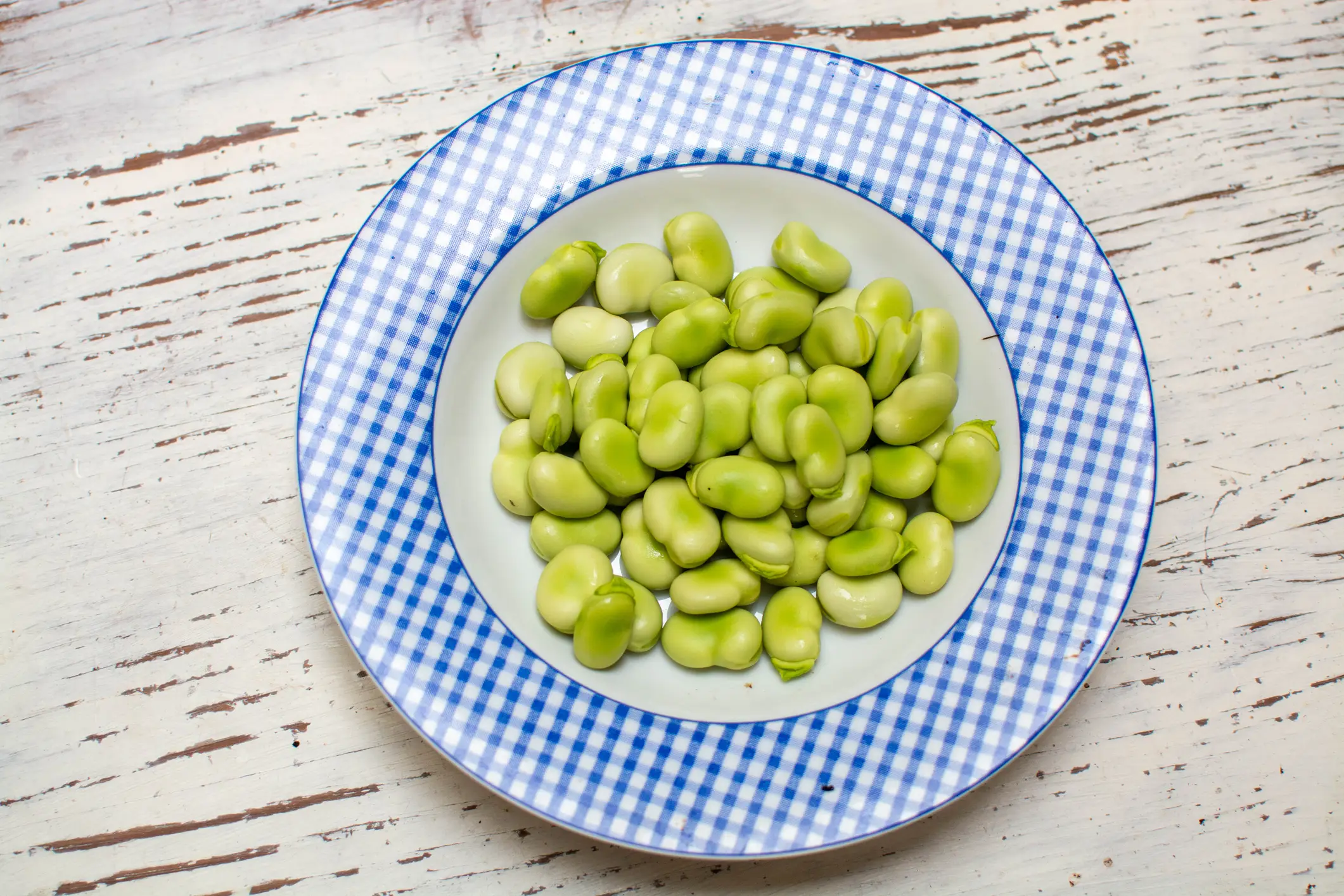
People in ‘Blue Zones’ go crazy for fava beans (Getty Stock Images)
Of the 1,865 study participants, who had an average age of around 70, 240 went on to develop dementia. By looking at their self-reported diets, the researchers discovered the people who ate healthier were less likely to suffer from cognitive decline, recommending ‘adherence to a dietary pattern with lower inflammatory potential’.
Confused about what that actually means? ER doctor Dr Leana Wen explained to CNN that inflammation is how the body heals from injuries and infections, but chronic inflammation damages blood vessles, nerve cells and brain cells, which all makes dementia more likely.
She said: “People whose diets included more vegetables, fruits, nuts, legumes and whole grains and fewer sugar-sweetened beverages, ultraprocessed foods and red meats were gauged to follow diets with lower inflammatory potential.”
(LADbible)
Which certainly sounds pretty similar to the ‘Blue Zone’ diet.
But she added: “The key takeaway isn’t that there is one ideal diet for everyone. Rather, aiming for a diet with whole, minimally processed foods while limiting ultraprocessed foods appears to be a pattern that benefits many aspects of health, including the brain.”
Why are ‘Blue Zones’ controversial?
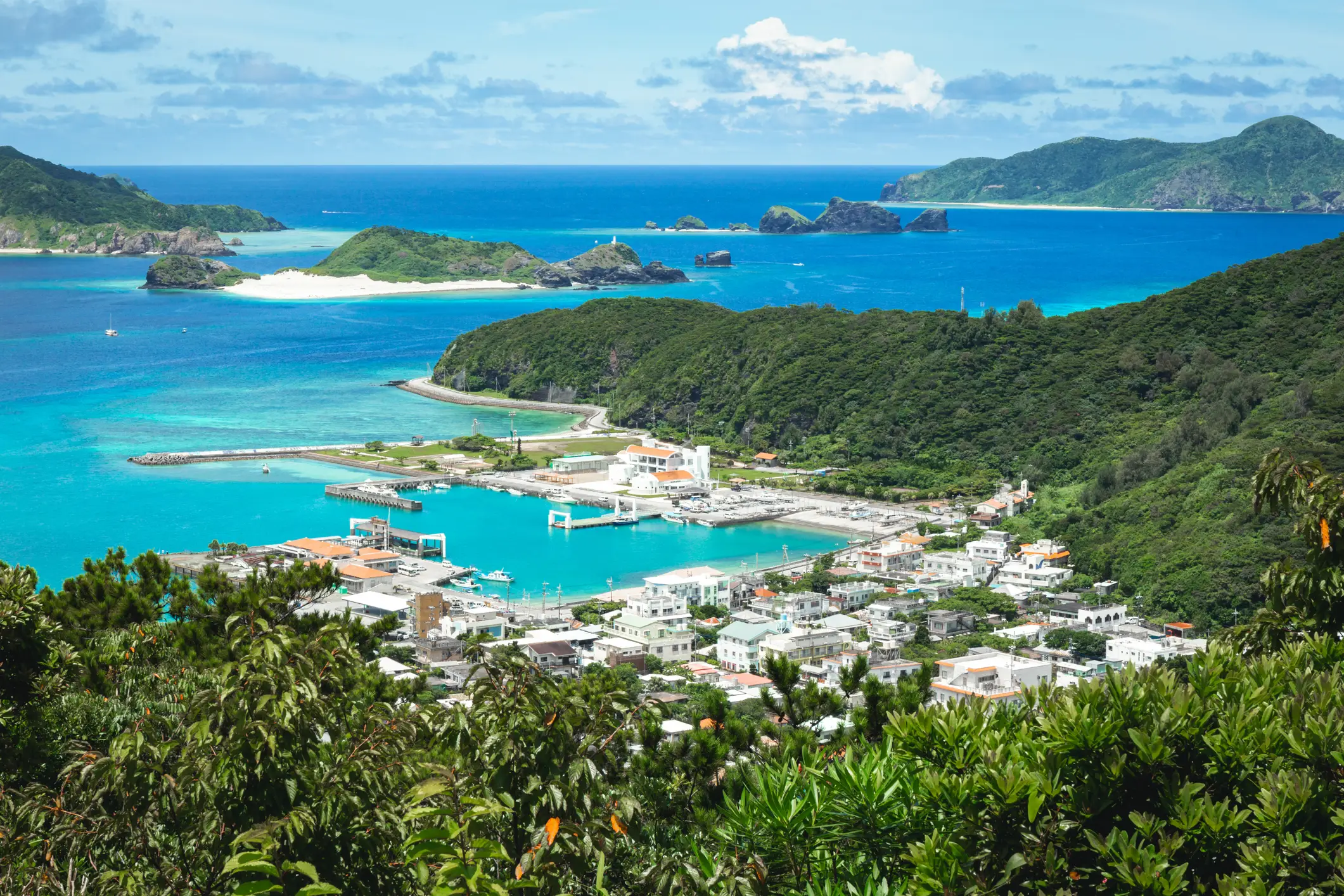
Okinawa in Japan is one of the ‘Blue Zones’ too (Getty Stock Image)
In 2024, Dr Saul Justin Newman argued that many of the places where residents claim to be extremely old actually just have a poor standard of written records, and levels of poverty which make pension fraud appealing.
He claimed many of the centenarians in ‘Blue Zones’ had actually died, and were only thought to be alive due to out-of-date government records.
In a backlash to the backlash, another group of scientists argued in 2025 that the data about the masses of 100-year-olds in ‘Blue Zones’ is actually ‘valid and reliable’.
They went on to say four of the ‘Blue Zones’ – Okinawa, Sardinia, Ikaria, and Nicoya – had been ‘extensively validated based on thoroughly cross-checked data from multiple independent sources plus state-of-the-art demographic methods’.
They argued reports of fraud and false records had been blown out of proportion.
So maybe we do need to get snacking on those fava beans after all.
RIVER OF GOODS Mid-Century Modern Transitional LED Bronze Chrome Ceiling Fan - 52" L x 52" W - Rich Barnwood/Light Driftwood Fan Blades - Metallic Ceiling Fan with Light and Fabric Shade
(as of October 25, 2026 01:02 GMT +00:00 - More infoProduct prices and availability are accurate as of the date/time indicated and are subject to change. Any price and availability information displayed on [relevant Amazon Site(s), as applicable] at the time of purchase will apply to the purchase of this product.)
Joking Hazard Enlarged Box Empty Box for Card Storage
$12.00 (as of October 25, 2026 01:02 GMT +00:00 - More infoProduct prices and availability are accurate as of the date/time indicated and are subject to change. Any price and availability information displayed on [relevant Amazon Site(s), as applicable] at the time of purchase will apply to the purchase of this product.)
The Door Balancer Eliminates The Need for Door Props, Door Stops and Door Wedges
(as of October 25, 2026 01:02 GMT +00:00 - More infoProduct prices and availability are accurate as of the date/time indicated and are subject to change. Any price and availability information displayed on [relevant Amazon Site(s), as applicable] at the time of purchase will apply to the purchase of this product.)
RIVER OF GOODS Coastal 52 Inch Wooden Bead LED Ceiling Fan, Cream
(as of October 25, 2026 01:02 GMT +00:00 - More infoProduct prices and availability are accurate as of the date/time indicated and are subject to change. Any price and availability information displayed on [relevant Amazon Site(s), as applicable] at the time of purchase will apply to the purchase of this product.)