Unveiling the Truth: How Ancient Structures Defy Time and Spark Endless Debate
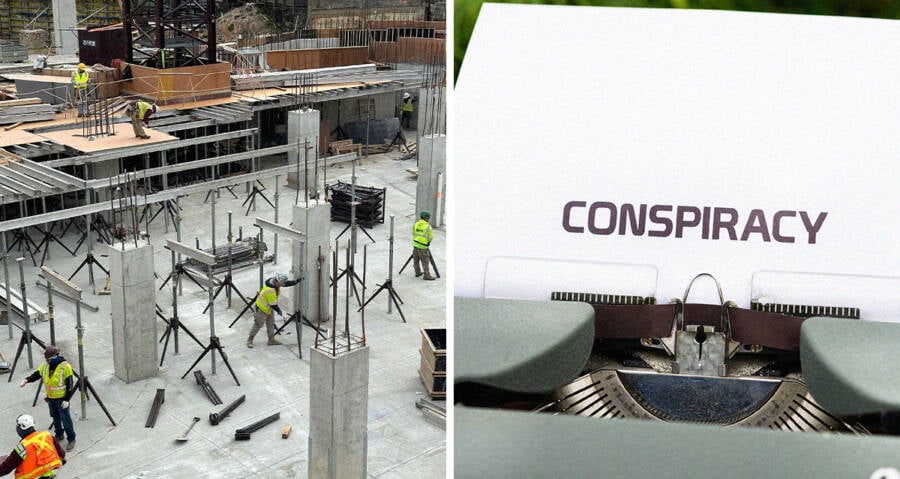
Ever wandered past a construction site and wondered if the workers were caught in some kind of eternal time warp? Sidewalk sheds hanging out for 15 years? A single renovation that feels like a small geological epoch? Yeah, me too. Now, here’s the kicker: back in the day, those same towering monuments and ornate buildings seemingly popped up faster than you could say “foundation inspection.” So what gives? Did past builders have a secret time machine or were they just tougher, faster, and maybe a bit more reckless? Turns out, the truth dances somewhere between brutal working conditions and a simpler, less-regulated era—where speed often meant risking everything. Let’s unpack why our granddaddies could seemingly throw together a city hall in two years, while we’re stuck with modern construction projects that crawl at a glacial pace. Spoiler alert: it’s not just about shoddy conspiracy theories or faulty records—it’s about safety, complexity, and yeah… a ton of regulations that actually save lives. Ready to dig in? LEARN MORE
Cities are filled with construction projects that seem to take decades, if they ever get finished at all. Why did construction go so much faster in the past?
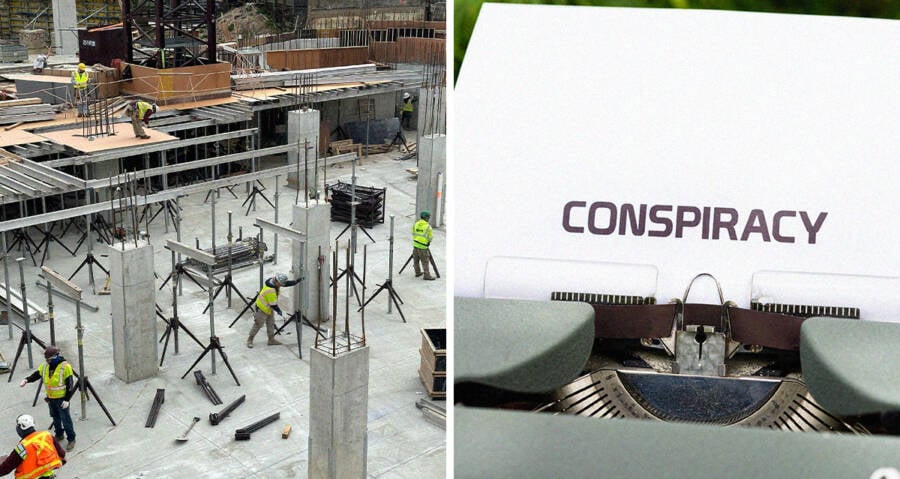
Ray Donnelly/Unsplash, Markus Winkler/UnsplashThe speed of construction in decades past — compared with the slow pace of similar projects today — is becoming fodder for conspiracy theories.
In March 2026, the New York City mayor’s office announced that they would be cracking down on the scaffolding that covers many city sidewalks.
In theory, these “sidewalk sheds” are temporary structures set up to protect pedestrians from falling debris during active construction or renovation. In practice, however, many of these sidewalk sheds have been up for years, with some covering the same spot for 15 years straight.
While the new rules attempt to get rid of some of these sheds, many residents find themselves asking, “Why is this construction taking so long in the first place?”
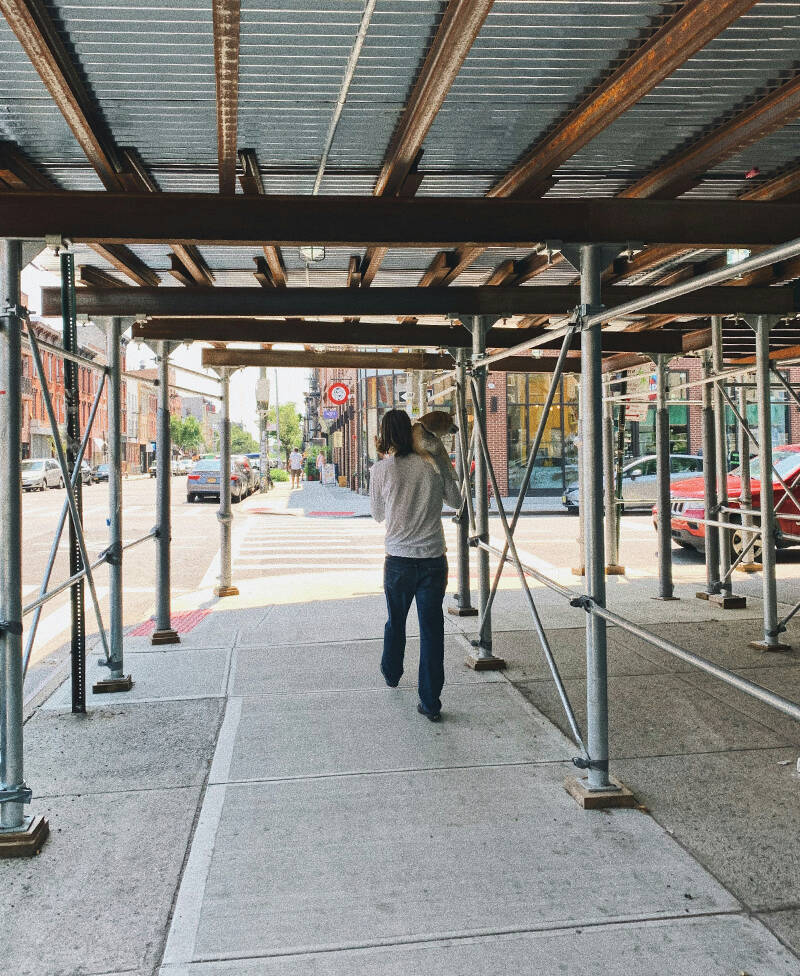
Matthew LeJune/UnsplashA sidewalk shed in New York.
This question has become fodder for conspiracy theorists. Now, some internet users are noting some of the odd timelines of historic construction projects and wondering if they’re really as accurate as they claim.
Construction Used To Be Much Faster
To offer an example of one such theory, @themylunchbreak notes something suspicious about older buildings in a video with over 1.5 million views on TikTok and 67,000 views on YouTube. In short, these old buildings seem to have been constructed at impossibly fast speeds.

Milwaukee City Hall only took two years to complete.
As evidence for this claim, he shows off some impressive structures that have equally amazing completion times. Construction on the Streator Public Library in Streator, Illinois, began in March 1902 and was completed in January 1903. Milwaukee City Hall, which is over 350 feet tall, began construction in 1893 and was finished by 1895. Other impressive buildings, like the Cathedral Basilica of St. Louis, also boasted rapid construction times.
To @themylunchbreak, this is a sign of deception.
“They build these incredible buildings. They just throw them together in a year, and then they go home and live in a shed suffering in the winters with bonnets,” he summarizes. “The narrative is insane.”
Contemporary Construction Takes Time
The creator contrasts this with modern construction. In his eyes, modern construction projects seem significantly more issue-prone than construction projects of yore. Not only that, but they also seem beset with delays that seemingly didn’t plague earlier projects — labor issues, changes in material costs, pandemics, and more.
“How is it, though, that 200 years ago, this kind of stuff never happened?” he asks. “There [were] no construction issues; they never had a labor issue. They never had a shortage of construction workers. They never had weather issues or anything that would slow the process of construction down.”
Now, he adds, even renovation projects can take years. While a building may have been originally constructed in just a few months, it seems that fixing up the building can take much longer than that. As an example, he offers the Logan County Courthouse.
“This one was built in 1870 — yet it took our civilization six years to renovate it,” he summarizes.
He continues by speculating that this means that people are lying about how long it used to take to build things. But is that really true?
Why It Used To Be Faster To Build
It’s true that, in some cases, it used to be faster to build the ornate structures that can be seen in many Midwestern downtowns.
This is not because historians are fudging the timeline. Instead, this speed is due to a mix of fewer regulations, large labor crews, lower safety expectations, simpler systems, and a streamlining of processes that now take significantly more time.
The late 1800s into the early 1900s were a construction boom in the United States. It was also a time of incredibly lax labor laws. One of the reasons that many buildings could be constructed at such a rapid pace was because workers were tasked with working long hours in dangerous conditions.
RIVER OF GOODS Coastal 52 Inch Wooden Bead LED Ceiling Fan, Brown
(as of September 10, 2026 00:38 GMT +00:00 - More infoProduct prices and availability are accurate as of the date/time indicated and are subject to change. Any price and availability information displayed on [relevant Amazon Site(s), as applicable] at the time of purchase will apply to the purchase of this product.)
RIVER OF GOODS Alabaster LED Mesh Caged Ceiling Fan - 52" L X 52" W - White/Oak Wood-Grain Blades
(as of September 10, 2026 00:38 GMT +00:00 - More infoProduct prices and availability are accurate as of the date/time indicated and are subject to change. Any price and availability information displayed on [relevant Amazon Site(s), as applicable] at the time of purchase will apply to the purchase of this product.)
The Door Balancer Eliminates The Need for Door Props, Door Stops and Door Wedges
(as of September 10, 2026 00:38 GMT +00:00 - More infoProduct prices and availability are accurate as of the date/time indicated and are subject to change. Any price and availability information displayed on [relevant Amazon Site(s), as applicable] at the time of purchase will apply to the purchase of this product.)
Supa Ant Canning Supplies Starter Kit (Food Grade) - Canning Kits Set for Beginners - 3 Pcs. Including Wide Mouth Jar Funnel, Magnetic Lid Lifter, Stainless Steel Jar Lifter (Assembled in USA) Blue
$11.99 (as of September 10, 2026 00:38 GMT +00:00 - More infoProduct prices and availability are accurate as of the date/time indicated and are subject to change. Any price and availability information displayed on [relevant Amazon Site(s), as applicable] at the time of purchase will apply to the purchase of this product.)