Atomic Expert Warns: Could Romania’s Nuclear Shutdown Trigger a Chernobyl 2.0 Disaster?

So, Romania’s only nuclear power plant is sweating bullets – literally – and might have to shut down because it just can’t get enough water to cool its reactors. Picture this: naval forces setting off controlled explosions in the River Danube to divert water to keep the place from overheating. Sounds like a plot twist from an action film, right? One reactor’s already gone offline due to the drought, and if delays in the Danube project continue, the second might have to follow suit. Of course, the internet’s buzzing with panic about potential meltdowns or explosive disasters – but experts and Romania’s energy company, Nuclearelectrica, are quick to assure us that a Chernobyl-style catastrophe? Practically impossible with today’s safety measures. Still, it makes you wonder – when the Earth turns up the heat and the water runs low, how do nuclear plants keep their cool without turning into ticking time bombs? Dive in and get the full scoop before you panic! LEARN MORE.
Romania may be forced to shut down its only nuclear power plant, as scorching summer temperatures lead to a shortage of water needed to cool down reactors.
The nation’s Cernavodǎ Nuclear Power Plant has made international headlines this summer after revealing that Romanian naval forces had carried out a series of controlled explosions along the River Danube in order to divert water which is needed to cool the plant’s reactors.
Cernavodǎ has already seen one of its reactors shut down due to a lack of water, with a recent Reuters report suggesting that delays to the Danube diversion project may force the plant’s second reactor to be switched off.
The headlines of ‘nuclear power plant‘ and ‘reactors unable to cool down’ unsurprisingly led to some degree of panic online, with the doomsayers among us speculating core damage or explosions – events which are extremely unlikely to happen, according to Romania’s energy company Nuclearelectrica.
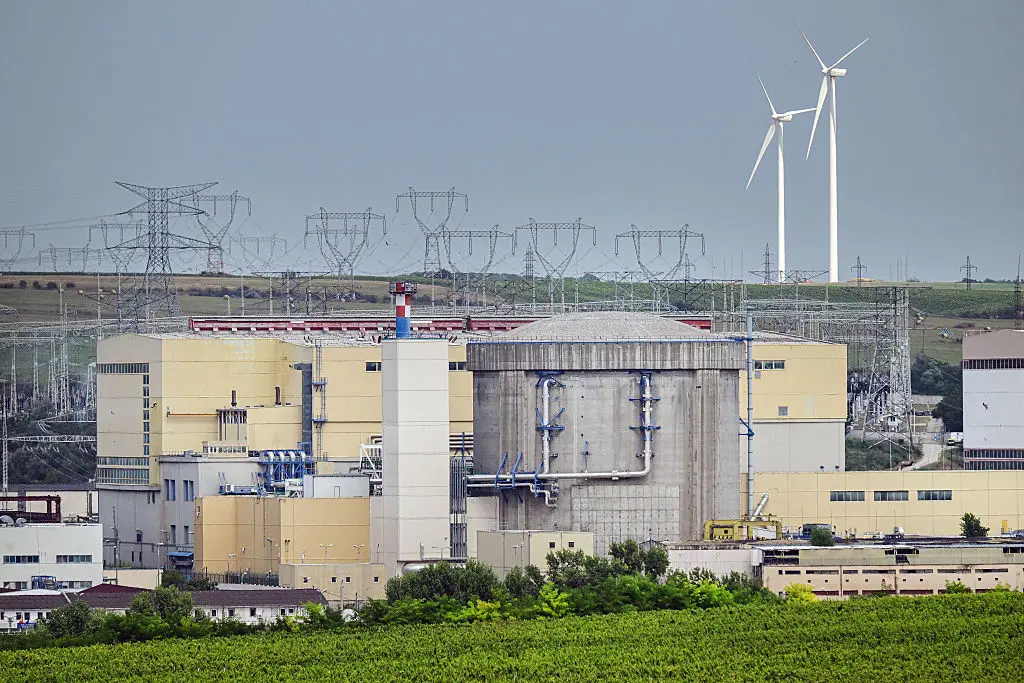
Low water levels along the Danube has led to Romania’s Cernavodǎ nuclear plant closing one of its reactors (Daniel MIHAILESCU / AFP via Getty Images)
Occurrence of a Chornobyl-type event at Cernavodǎ ‘impossible’
Now it’s fair to say that nuclear power has a bit of a bad reputation, with disasters such as the 1986 Chernobyl meltdown or Japan’s 2011 Fukushima incident springing to mind.
However, catastrophic outliers do not mean the nuclear industry is unsafe as a while, with Nuclearelectrica spokeswoman Dinu Valentina says the likelihood of a Chornobyl-type incident is ‘impossible’ with modern nuclear safety protocol.
“Based on technology differences, nuclear safety culture and standards, changes in approach, the differences between 1886 and 2026 are major,” she told to LADbible.
“The occurrence of a Chernobyl type incident is impossible today.”
What happens when a nuclear plant which can’t cool down its reactors?
Recall your days of GCSE Physics and you’ll likely remember that in order to generate power, nuclear plants generate energy through a process known as nuclear fission, a controlled process where heavy atoms are repeatedly split.
This causes a chain reaction and creates thermal energy, which is then transformed into electricity.
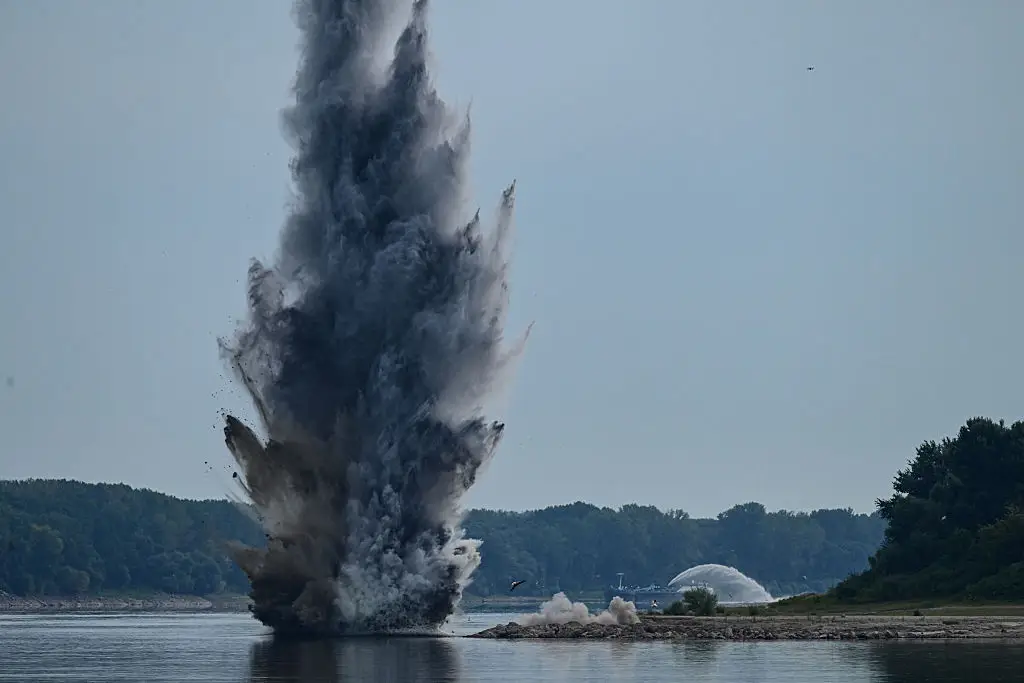
Controlled explosions have taken place in order to divert water to the plant (Daniel MIHAILESCU / AFP via Getty Images)
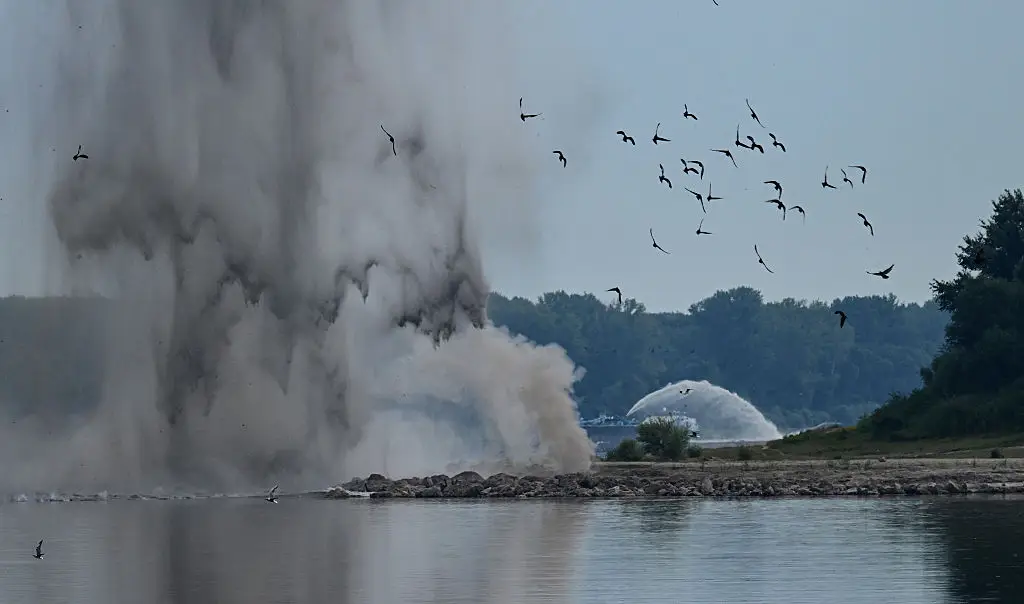
However heatwave conditions and low rainfall mean the second reactor may need to be turned off (Daniel MIHAILESCU / AFP via Getty Images)
However this process also produces large amounts of heat, which continues after the primary nuclear fission chain is broken.
Without a coolant, the heat continues to build up and, without a cooling system designed to carry away the heat, will eventually causing a meltdown, which is what happened to Fukushima’s Nuclear Power Plant after a powerful earthquake devastated the region.
Environmental disasters aside, a reactor which has been safely shut down requires lower amounts of coolant, with a spokesperson for the International Agency for Atomic Energy explaining that ‘reduce output or shut down reactors when high temperatures affect cooling-water conditions or when water levels fall’, stating: “Measures to reduce power output do not in themselves mean that a plant is unsafe or pose a nuclear safety risk.”
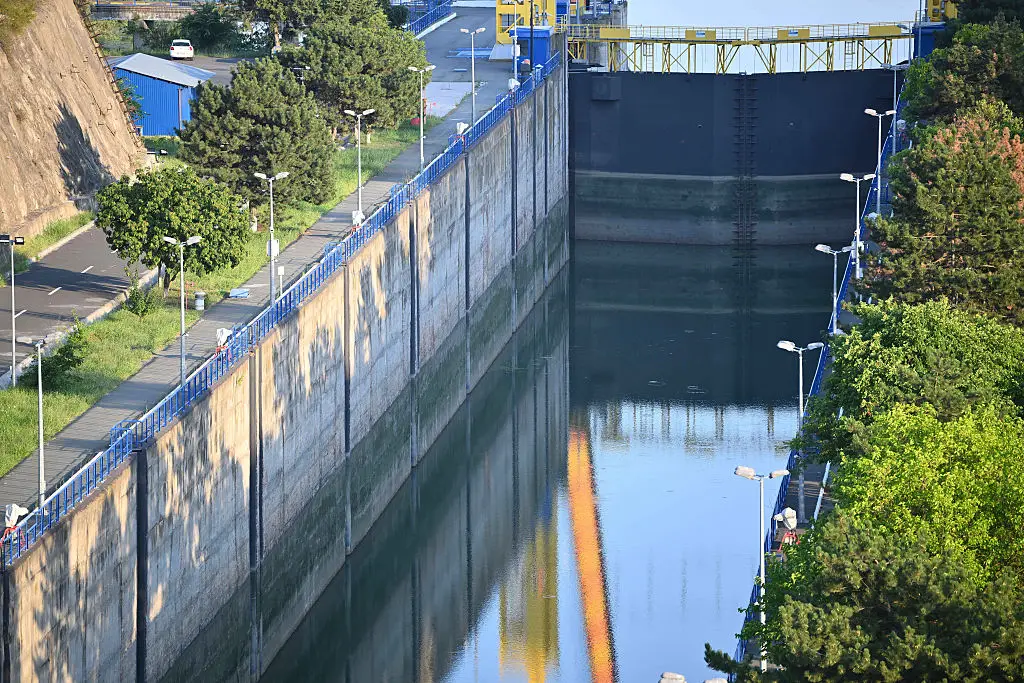
However experts have reassured that this won’t impact the safety of the plant (Alex Nicodim/Anadolu via Getty Images)
“Nuclear power plants are operated based on clear procedures and safety margins,” Valentina added.
“It is precisely these design safety margins that require safe shutdown during severe drought. Operating units require more water, while safe shutdown units require less water to maintain the cooling and consequently safe control of the nuclear units.
“In terms of nuclear safety there is no risk associated with the safe shutdown of the nuclear units.”

Kinsa Smart,Fever, Digital Medical Baby, Kid and Adult Termometro - Accurate, Fast, FDA Cleared Thermometer for Oral, Armpit or Rectal Temperature Reading - QuickCare
$18.94 (as of October 23, 2026 01:01 GMT +00:00 - More infoProduct prices and availability are accurate as of the date/time indicated and are subject to change. Any price and availability information displayed on [relevant Amazon Site(s), as applicable] at the time of purchase will apply to the purchase of this product.)
RIVER OF GOODS Coastal 52 Inch Wooden Bead LED Ceiling Fan, Cream
(as of October 23, 2026 01:01 GMT +00:00 - More infoProduct prices and availability are accurate as of the date/time indicated and are subject to change. Any price and availability information displayed on [relevant Amazon Site(s), as applicable] at the time of purchase will apply to the purchase of this product.)
Supa Ant 6x8ft. Welding Blanket Fireproof (Pack of 2) - Heavy Duty Weld Fire Blanket Tools - Welders Cover for Men Curtain with Gloves - Large Welding Gear for Welder Accessories
(as of October 23, 2026 01:01 GMT +00:00 - More infoProduct prices and availability are accurate as of the date/time indicated and are subject to change. Any price and availability information displayed on [relevant Amazon Site(s), as applicable] at the time of purchase will apply to the purchase of this product.)
RIVER OF GOODS Alabaster LED Mesh Caged Ceiling Fan - 52" L X 52" W - White/Oak Wood-Grain Blades
(as of October 23, 2026 01:01 GMT +00:00 - More infoProduct prices and availability are accurate as of the date/time indicated and are subject to change. Any price and availability information displayed on [relevant Amazon Site(s), as applicable] at the time of purchase will apply to the purchase of this product.)