Uncovered by Drought: Massive 1,500-Pound WWII British Mine Emerges from Danube’s Depths

Imagine strolling along the Danube River in the quaint village of Virt, Slovakia—just minding your own business—when bam! You spot a colossal, still-ticking naval mine from World War II lurking beneath the shallow waters. Yep, this isn’t your everyday river treasure; it’s a 1,500-pound explosive relic cleverly planted by the British Royal Air Force back in 1944 during a covert operation named “Gardening.” Now, I can’t be the only one wondering: what’s the protocol for finding something that’s basically history’s ultimate booby trap still ready to blow? Thanks to a vigilant passerby’s quick action, authorities swooped in, halted river traffic, and safely detonated this underwater time bomb—turning what could’ve been a disaster into an epic story from the depths of the Danube. With Europe’s heat wave drying up the river, more forgotten war relics have been resurfacing, turning the Danube into an accidental archaeological hotspot. So, next time you’re near a river, maybe pause before dipping your toes… you never know what’s hidden beneath.
A passerby in the village of Virt spotted this still-active naval mine on August 2 and quickly notified the authorities — who then detonated it safely.

Téglás Pityu/FacebookAn unexploded mine likely placed by the Royal Air Force during World War II was discovered in the Danube River in Slovakia.
The extreme heat wave scorching Europe this summer has triggered unusually dry conditions across much of the continent. For instance, the Danube River, which flows from Germany to the Black Sea, has seen drastically low water levels in recent weeks.
This drought has, however, given archaeologists a rare opportunity to explore what the Danube has kept covered for decades, if not centuries. These low water levels have even unveiled unexploded ordnance from World War I and World War II. Earlier this month in Slovakia, one such mine was found in the Danube — and this enormous explosive was still active.
The Discovery Of An Unexploded British Mine From World War II In The Danube River
A man posted in a Slovakian “Magnet Fishing” Facebook group that he made this chance discovery on August 2, and that officials were quickly taking over the case.
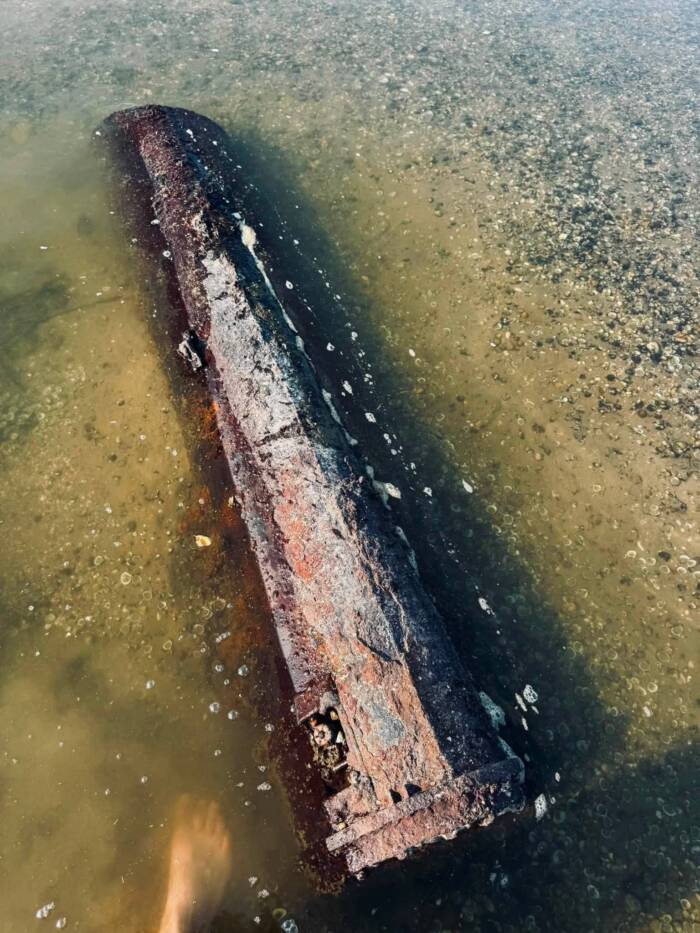
Téglás Pityu/FacebookThis enormous mine weighed more than 1,500 pounds.
The find was made in the Danube near the the village of Virt, close to Komárno. Soon after, shipping on the Danube in southern Slovakia was temporarily halted, as officials removed the explosive. Once the police did remove it, that stretch of the Danube was reopened.
Police said in a statement that the mine was loaded onto a specially modified fire truck that had a sand bed for safety, then brought to a secure location and placed in a 16-foot pit. Finally, the mine was destroyed via a controlled explosion.
How This Mine Landed Here 80 Years Ago
This massive mine — weighing in at a whopping 1,500 pounds — was identified as a World War II-era anti-ship mine deployed by the British.
“It most likely reached the territory of present-day Slovakia during Operation Gardening, during which the British Royal Air Force (RAF) mined the Danube River in 1944 with the aim of disrupting the supply of enemy troops,” police said.
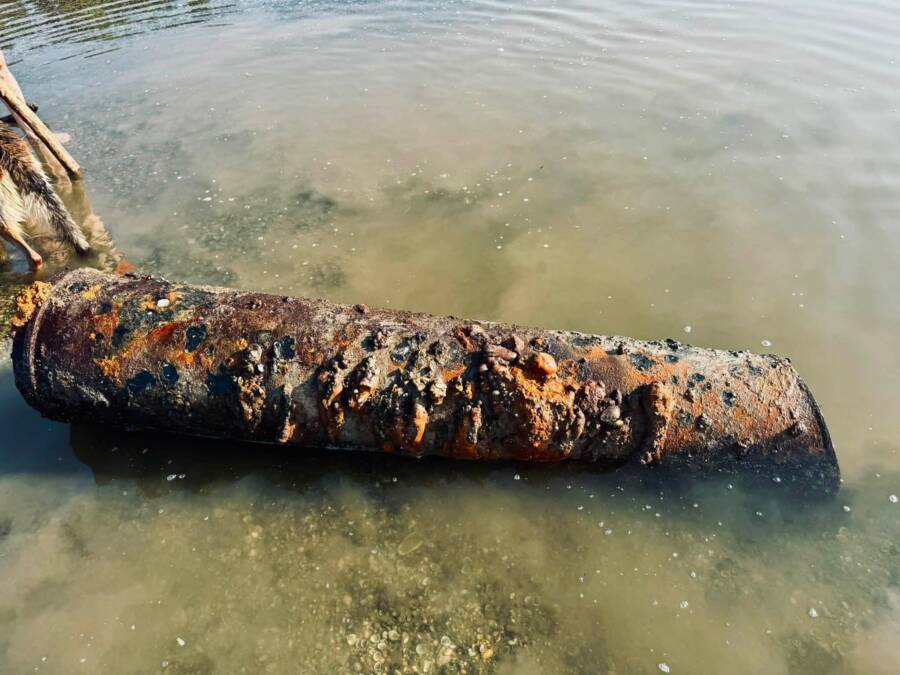
Téglás Pityu/FacebookThe mine was safely detonated by local authorities deep within a 16-foot pit.
“Gardening” was the term used by the RAF during World War II to mean “sowing” mines in Europe’s rivers and seas to combat Nazi Germany’s navy. The mines were meticulously placed near countless ports, harbors, inland water routes, and shipping lanes.
This tactic forced the Germans to deploy thousands of personnel for the duties of minesweeping, placing searchlights, and generally defending against the RAF’s further efforts to place additional mines.
During a single run, RAF pilots generally released several mines — though this was no easy feat. The aircraft had to flying close enough to the water to achieve an accurate placement, making the planes a relatively easy target for German defenses.
The Danube in modern-day Slovakia served as an important shipping route during World War II, transporting crucial military goods to nearby facilities like the Apollo oil refinery.
And this was far from the only World War II hot spot whose submerged artifacts have recently come to light thanks to the Danube drought.
The Danube Has Been Revealing Its Historical Secrets All Summer
While the size and historical significance of the newly-found mine is noteworthy, this discovery is by no means an isolated event.
The Ukrainian news site NV Techno, for instance, reported that the heatwaves and drought in Europe have uncovered more than 200 Nazi ships at the bottom of the Danube River.
These warships were purposefully sunk to defend against the advance of Soviet troops in the fall of 1944, and the low water levels revealed the ships for the first time in more than 80 years.
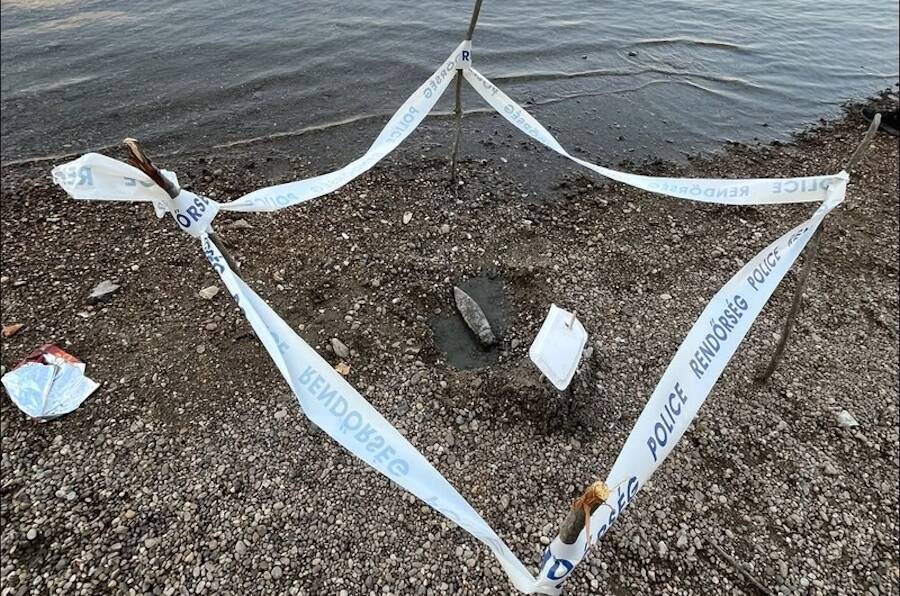
Emergency DunaújvárosOther unexploded ordnance from World War II have been revealed across Europe by the Danube’s drought.
Meanwhile, the drought has revealed another unexploded World War II munition in the Danube in Hungary, as well as the remains of World War II soldiers, Nazi shipwrecks in Serbia, and many more discoveries.

White Leaf Baby Food Pouches, Toddler Snack, Mango + Carrot + Banana + Pear | 24 Pack, Organic No Added Sugar, Non-GMO, BPA-Free Regeneratively Farmed, Squeeze Puree Smoothie Pouch for Adults & Children
$69.95 (as of October 26, 2026 01:02 GMT +00:00 - More infoProduct prices and availability are accurate as of the date/time indicated and are subject to change. Any price and availability information displayed on [relevant Amazon Site(s), as applicable] at the time of purchase will apply to the purchase of this product.)
RIVER OF GOODS Mid-Century Modern Transitional LED Bronze Chrome Ceiling Fan - 52" L x 52" W - Rich Barnwood/Light Driftwood Fan Blades - Metallic Ceiling Fan with Light and Fabric Shade
(as of October 26, 2026 01:02 GMT +00:00 - More infoProduct prices and availability are accurate as of the date/time indicated and are subject to change. Any price and availability information displayed on [relevant Amazon Site(s), as applicable] at the time of purchase will apply to the purchase of this product.)
Rhythm Superfoods Kale Chips, Zesty Nacho, Organic and Non-GMO, 2.0 Oz (Pack of 4), Vegan/Gluten-Free Superfood Snacks
(as of October 26, 2026 01:02 GMT +00:00 - More infoProduct prices and availability are accurate as of the date/time indicated and are subject to change. Any price and availability information displayed on [relevant Amazon Site(s), as applicable] at the time of purchase will apply to the purchase of this product.)
1MORE Triple Driver in-Ear Earphones Hi-Res Headphones with High Resolution, Bass Driven Sound, MEMS Mic, in-Line Remote, High Fidelity for Smartphones/PC/Tablet - Silver
$69.99 (as of October 26, 2026 01:02 GMT +00:00 - More infoProduct prices and availability are accurate as of the date/time indicated and are subject to change. Any price and availability information displayed on [relevant Amazon Site(s), as applicable] at the time of purchase will apply to the purchase of this product.)