She Believed They Were Best Friends—Until Her Wedding Invite Wrecked Everything
Ever notice how spending a third of your life at work means your coworkers often become your accidental therapists, frenemies, or surprise party crashers? Well, buckle up, because this tale takes workplace camaraderie to a whole new level of “did they really just do that?” A woman, thinking she’d found a lifelong buddy in a colleague, got the cold splash of reality when she wasn’t invited to her so-called friend’s wedding. Talk about the ultimate “guess I’m just a coworker” revelation. This rollercoaster of friendship, workplace boundaries, and unexpected truths will have you reevaluating every “bestie at work” story you’ve believed. Ready to dive into the messy, often hilarious world where a wedding invite (or lack thereof) tells it all?
We spend roughly a third of our time working, so our professional lives inevitably shape who we become. We may find allies who make difficult days easier, or encounter foes who will test our limits.
The woman behind this story experienced that tension with a longtime coworker she considered a close friend. After discovering she had been excluded from her friend’s wedding, she began questioning their friendship and reconsidered years of shared experiences.
Workplace friendships can blur personal and professional boundaries, making relationships harder to navigate over time

Years of friendship made one woman question why her closest colleague never sent an invitation to her wedding
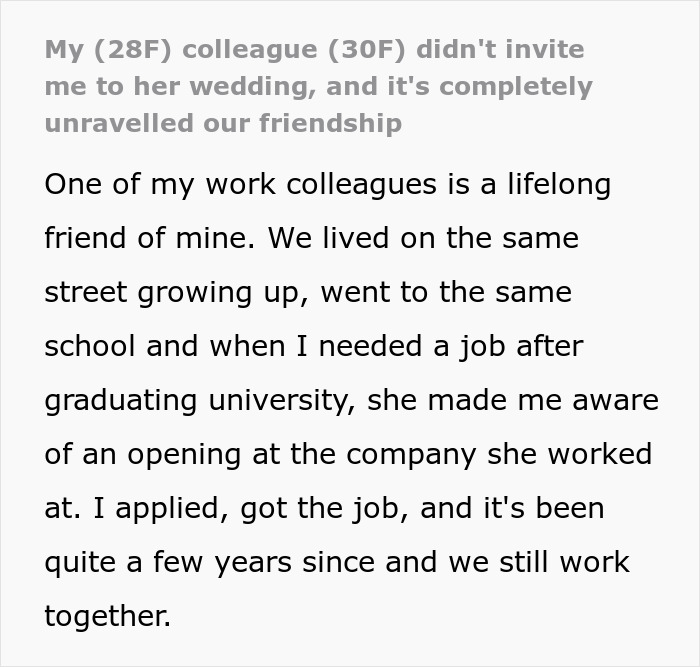
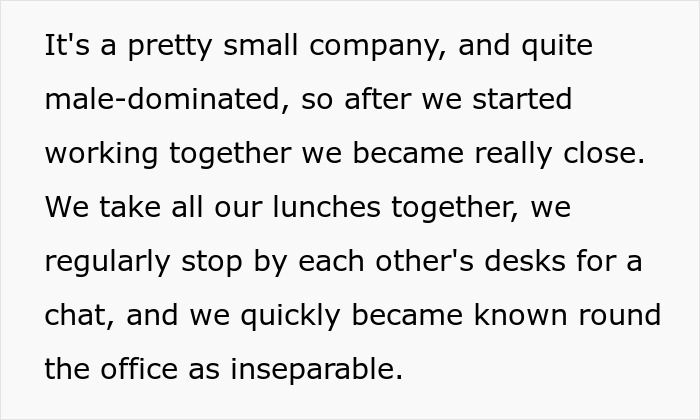
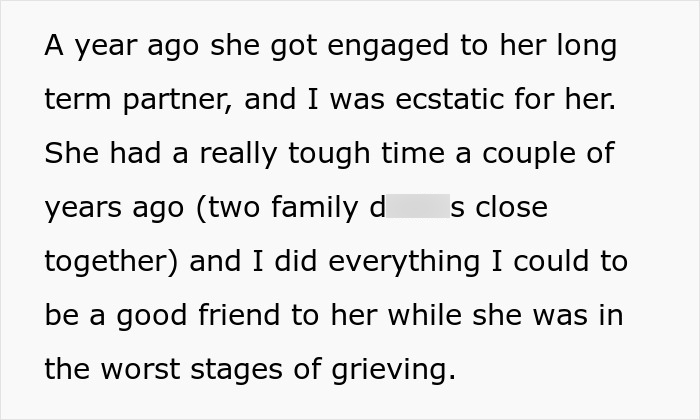
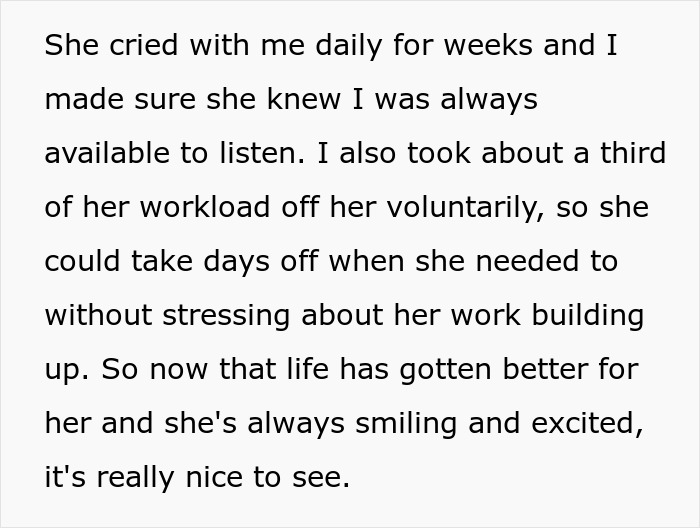
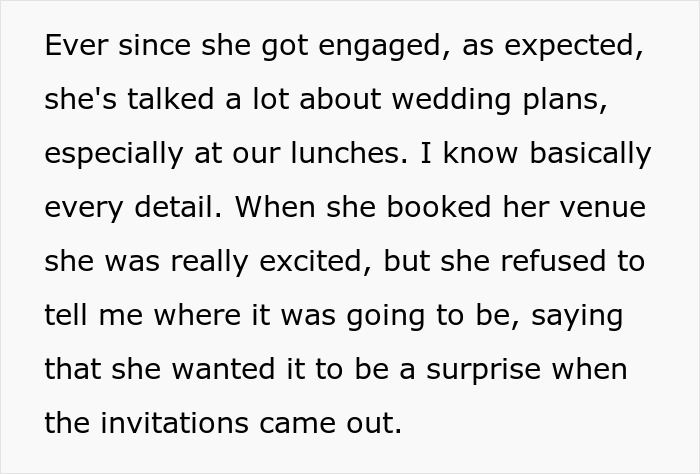
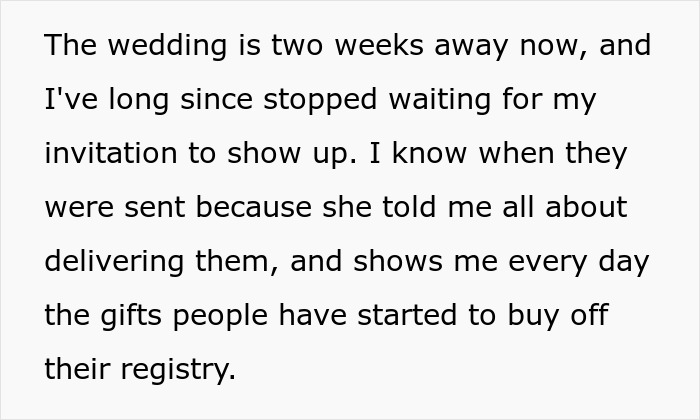
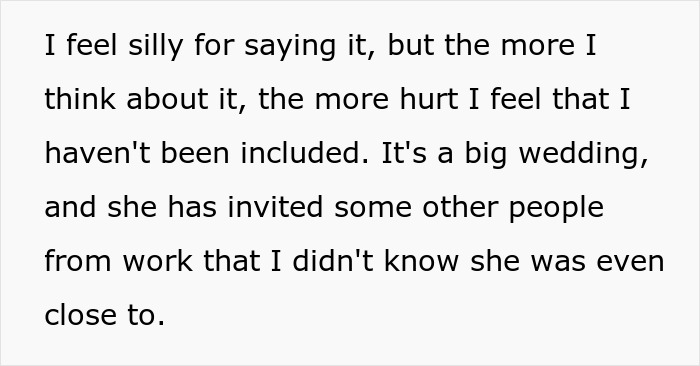
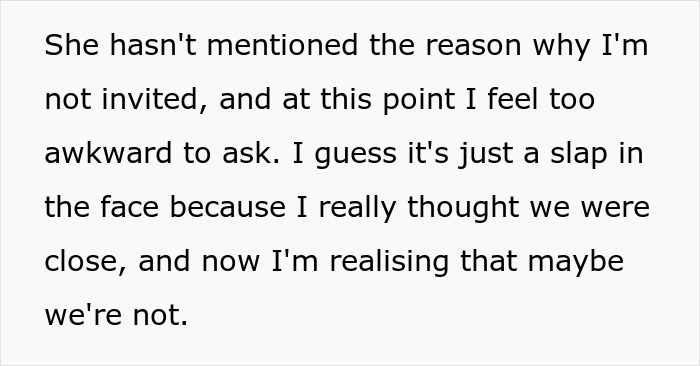
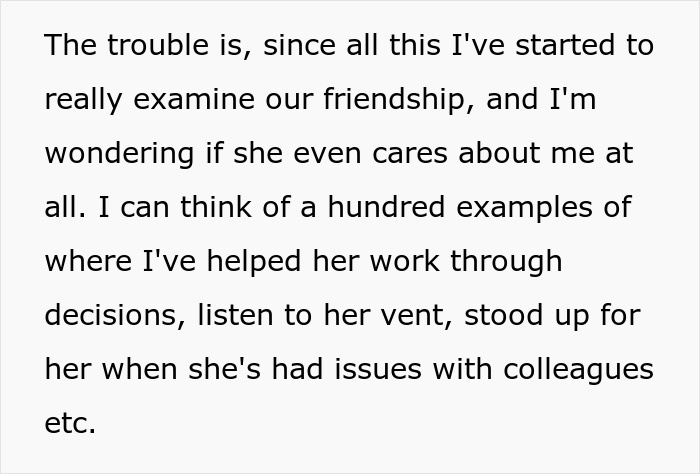
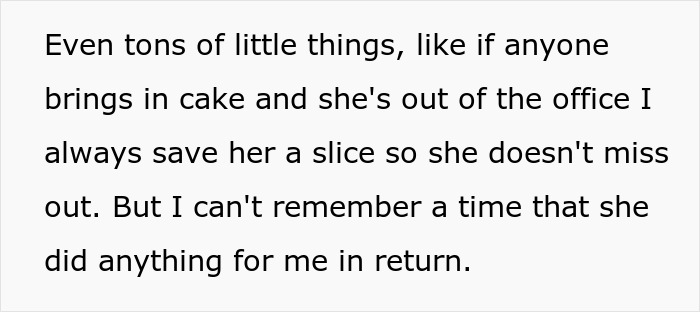
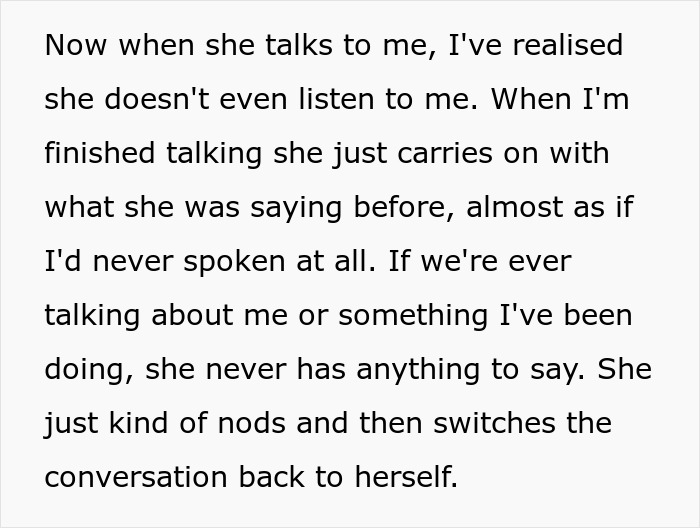
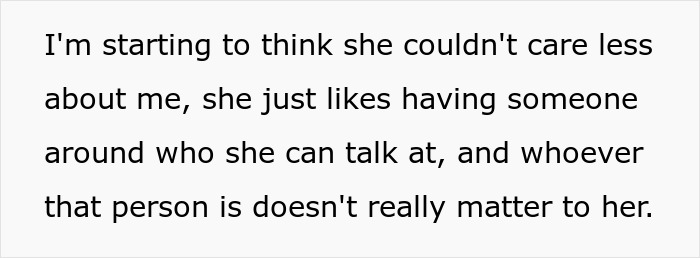
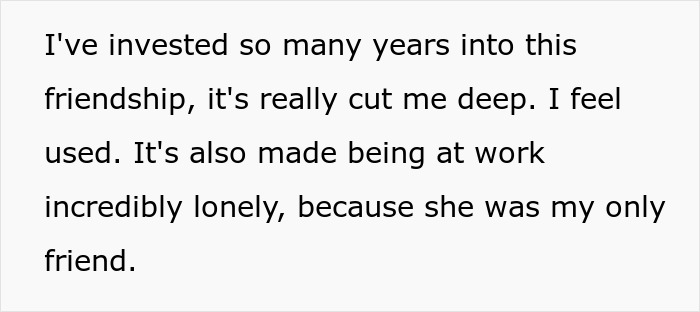

After distancing herself at work, she considered giving their friendship time to settle
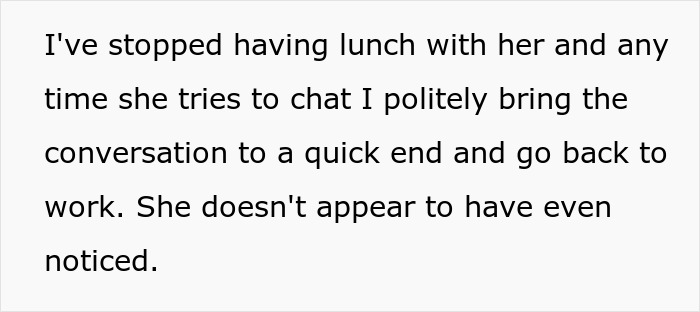
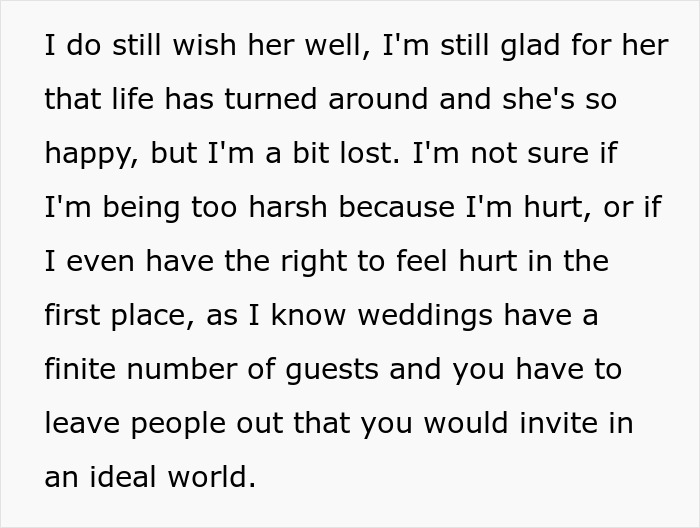
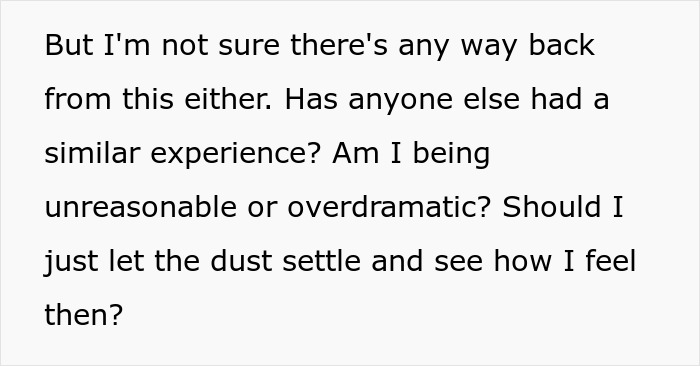
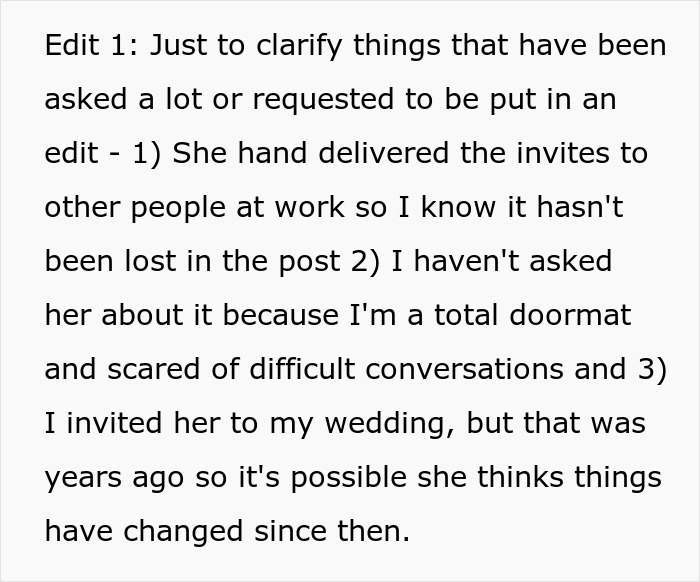
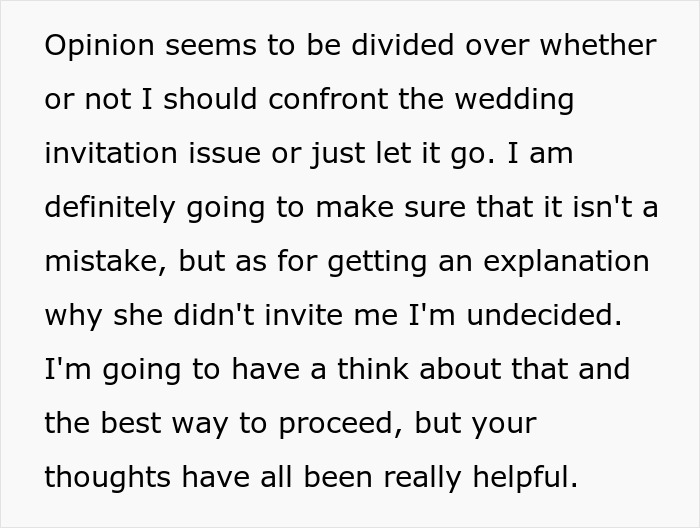
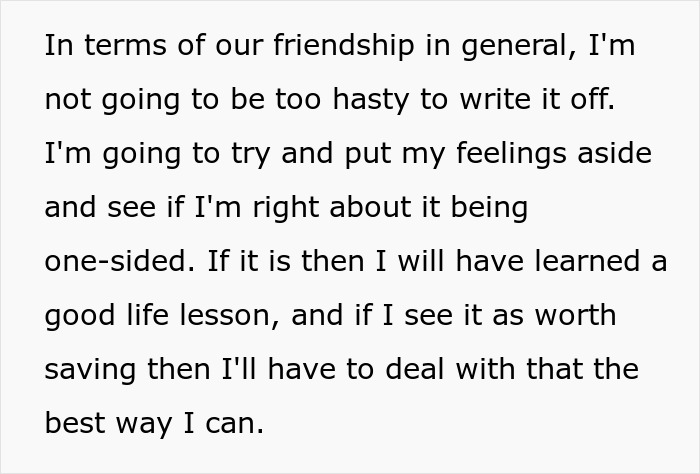
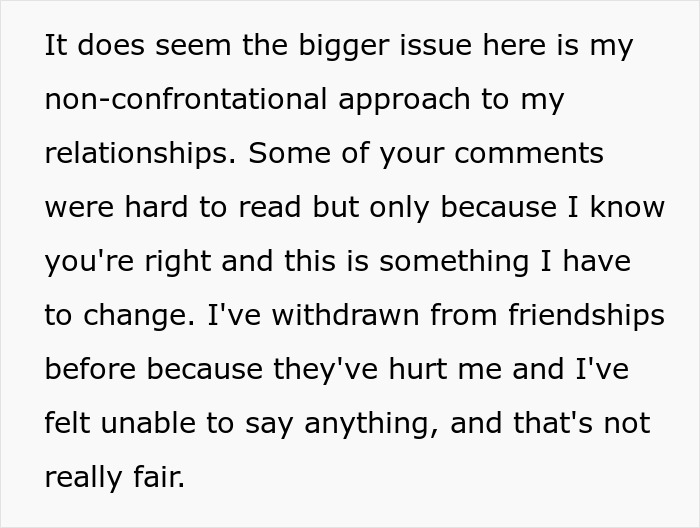
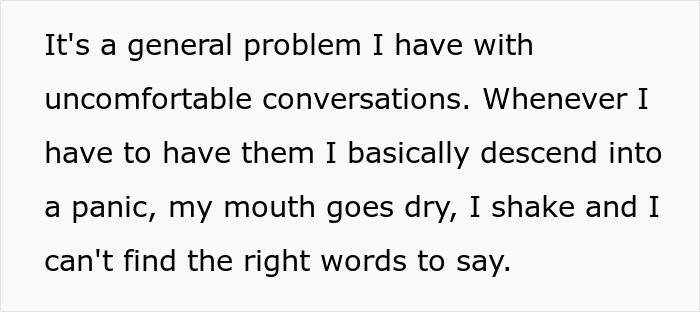
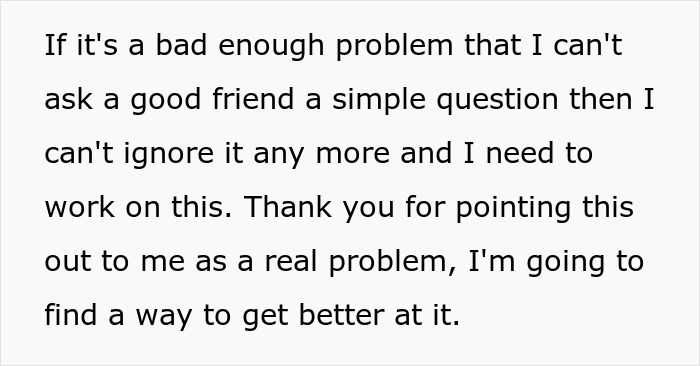

The woman first decided to take some time to think, aware of her issue with difficult conversations
One-sided friendships are harsh, mostly because they are hard to recognize. When one person puts in all the effort, it doesn’t always seem that way at first. There are warning signs, though. These include always being the one who reaches out, favors that are never returned, or noticing that the other person rarely asks about your life.
Once those patterns become clear, communication can help you set more balanced expectations. Dr. Sanam Hafeez, who is a New York City-based neuropsychologist and director of Comprehend the Mind, a psychological practice that treats learning disorders, anxiety, depression and other psychopathological disorders, recommends stepping back to see if the other person takes initiative, while also paying attention to reciprocity.
Even though you might want to salvage a one-sided friendship, not all of them can, or should, be saved. Psychologist Marisa Franco, Ph.D., notes that people have different expectations around reciprocity, and some may be comfortable giving more without resentment. The important question is how the relationship affects you.

There is also no universal rule for when a friendship deserves another chance. Some naturally go through rough patches, and both people may accept the dynamic. But when you start getting hurt, stepping away may be the best way to protect your well-being.
The woman in our story felt like she needed distance, and that’s okay. According to psychologists, boundaries involve understanding what you expect, what you will accept, and communicating those limits clearly and calmly. Her decision to ask for help and, allowing her to protect herself without starting unnecessary fights at work.
Although she handled the situation in a very mature way, she recognized that avoiding difficult conversations made her problems worse, not only with this particular friend, but in other relationships as well.
The internet offered emotional support and advice
In an update, the woman said she finally asked about the invitations and realized her colleague had definitely left her out
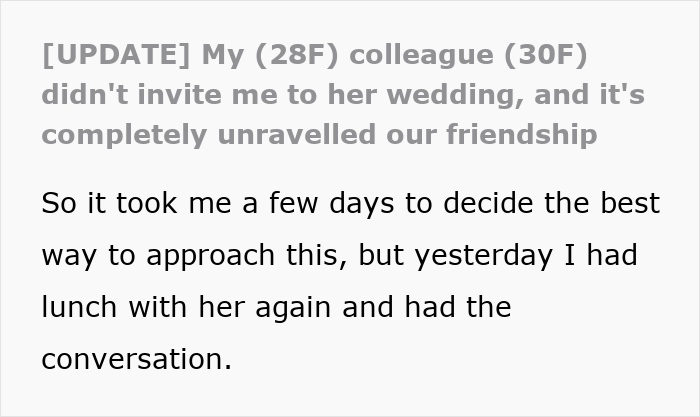

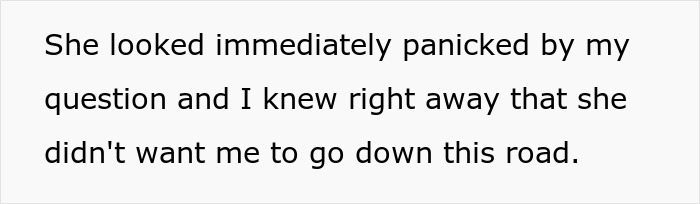
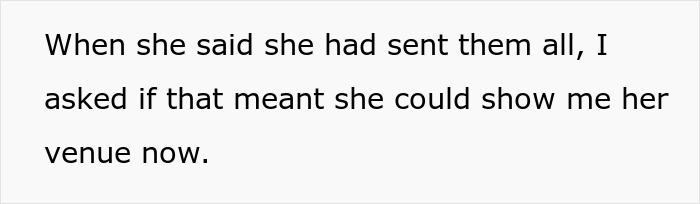

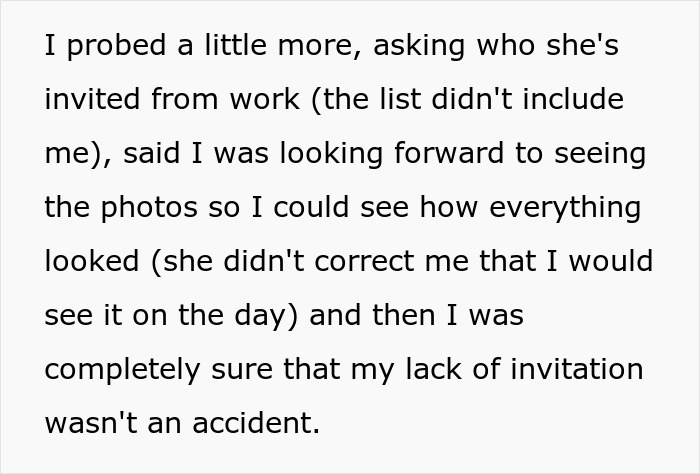
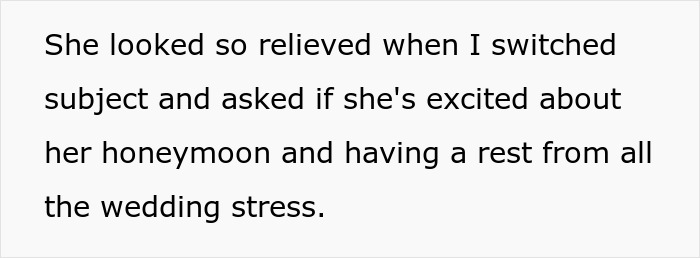
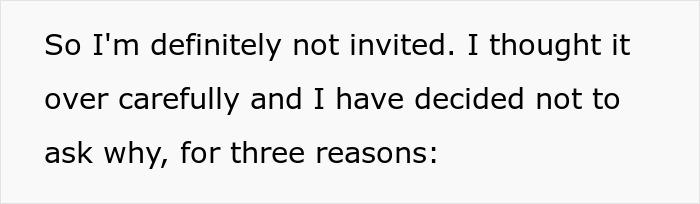
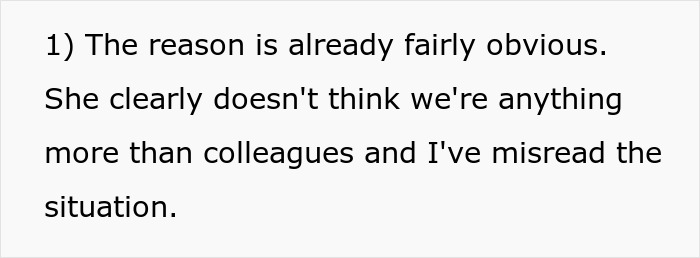
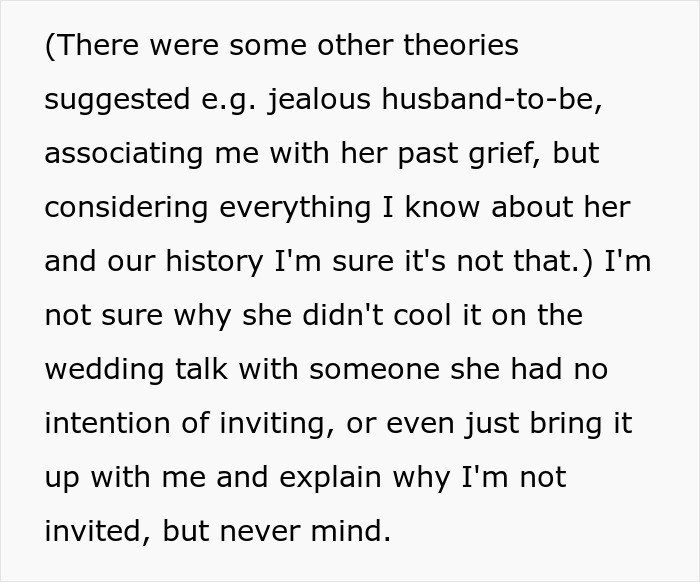
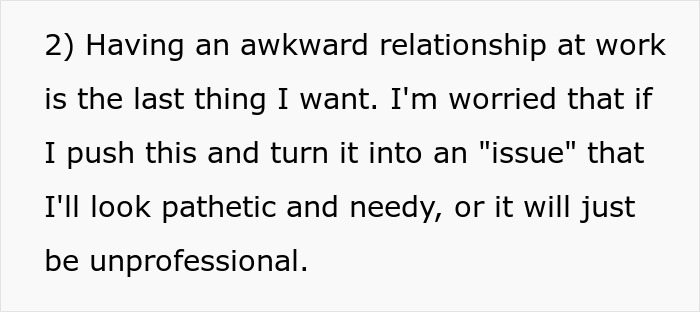

Realizing the friendship had always been one-sided, she chose to keep her distance
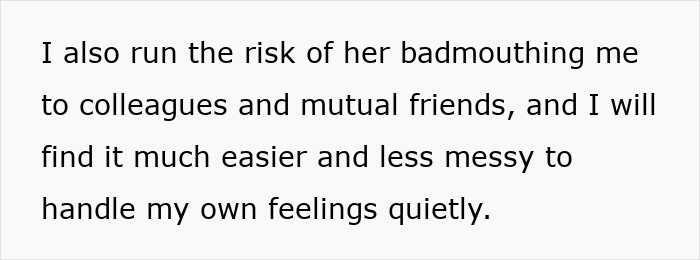
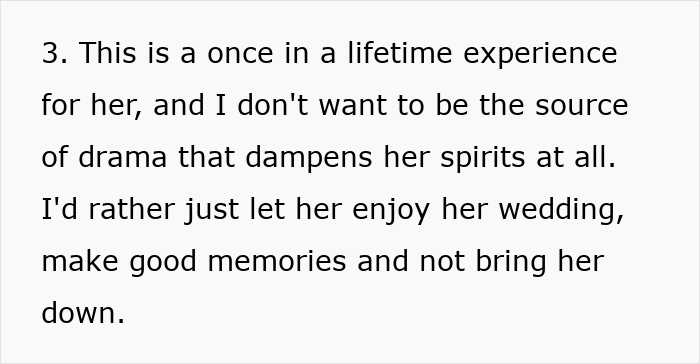
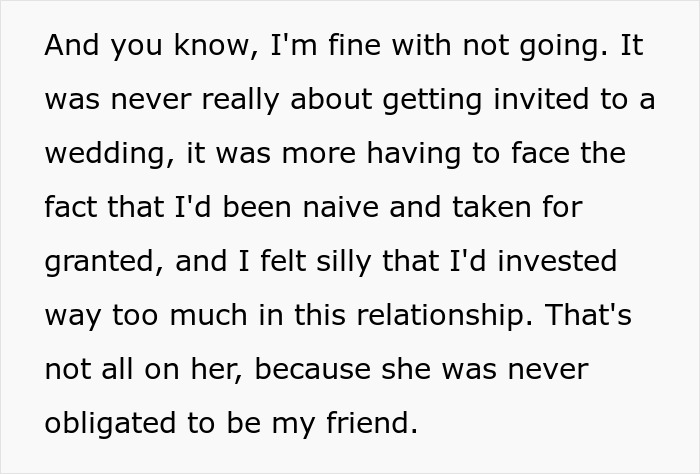
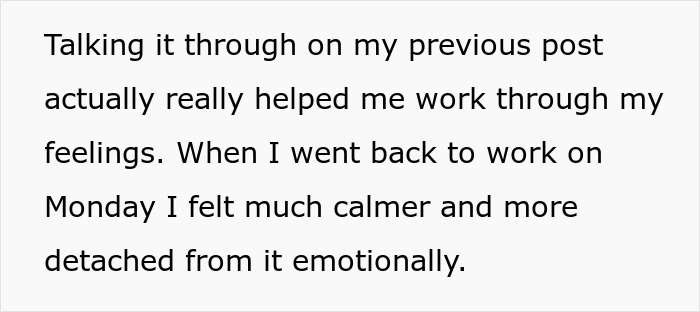
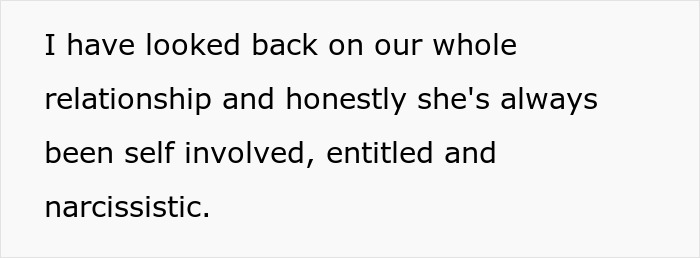
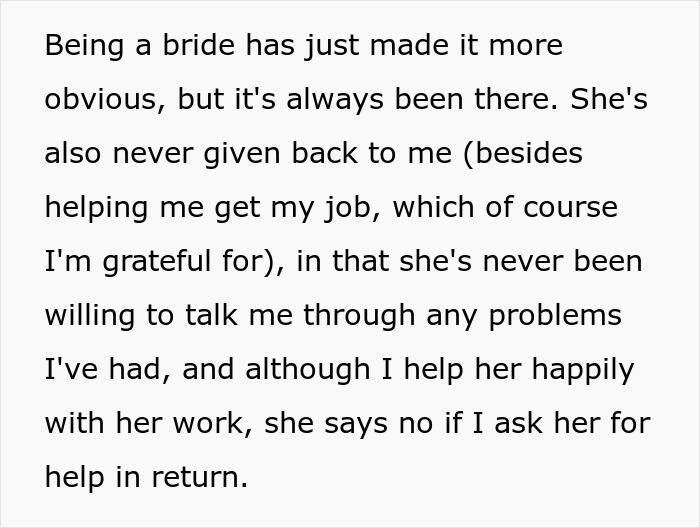
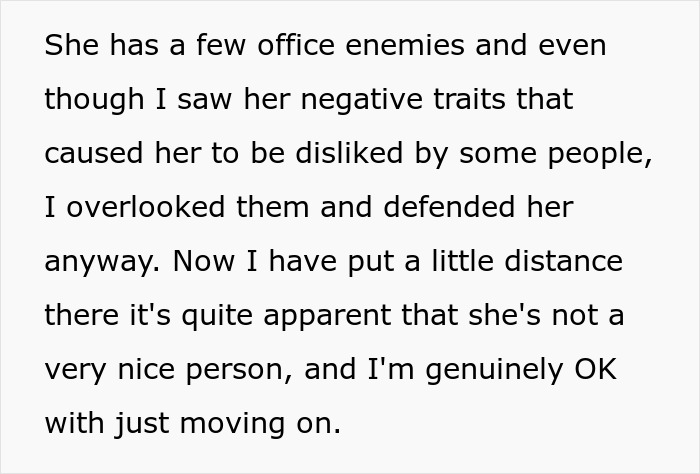
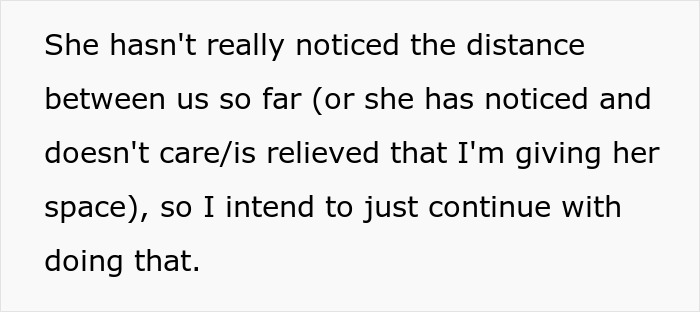
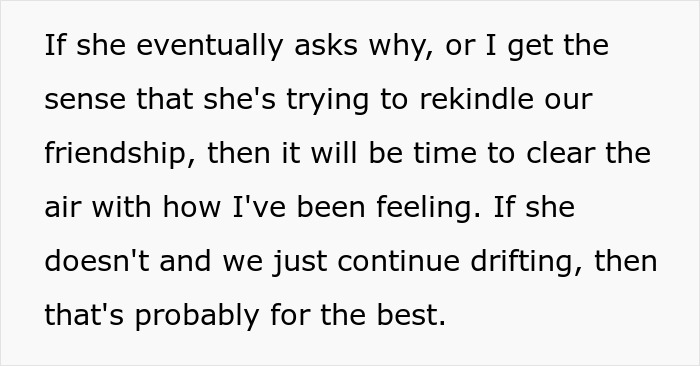
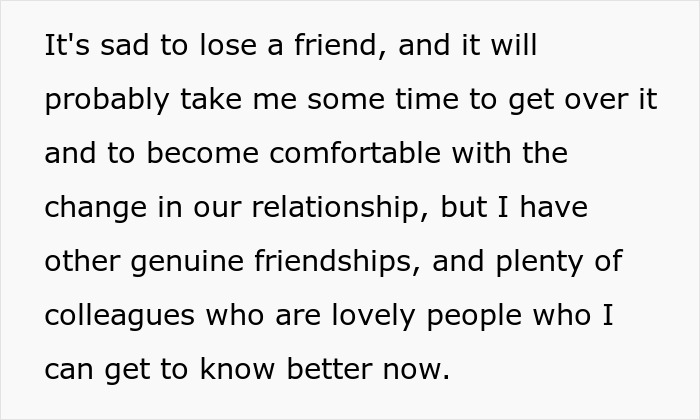

The woman said she began working on herself
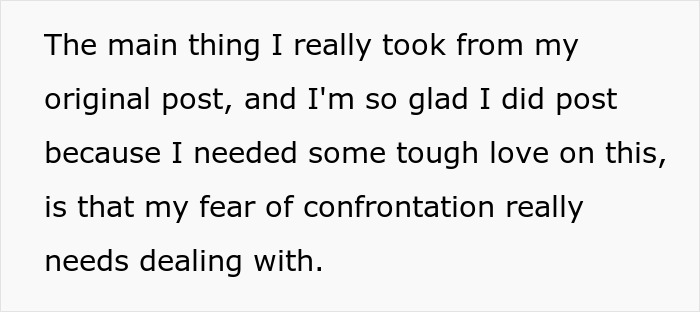
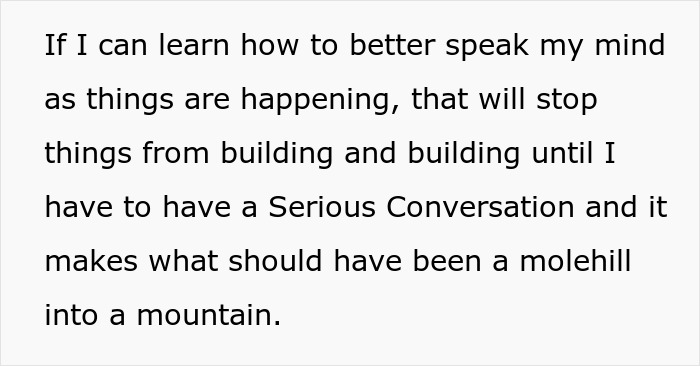
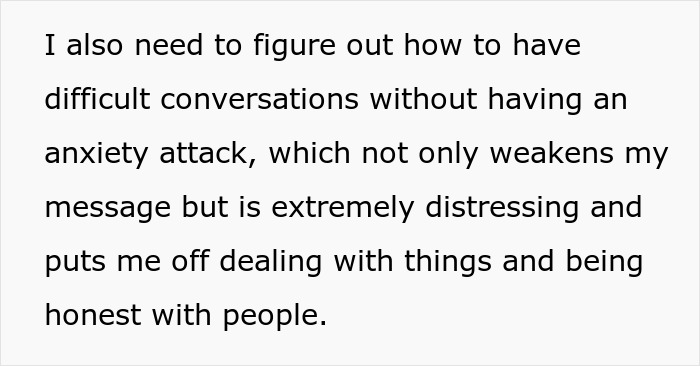
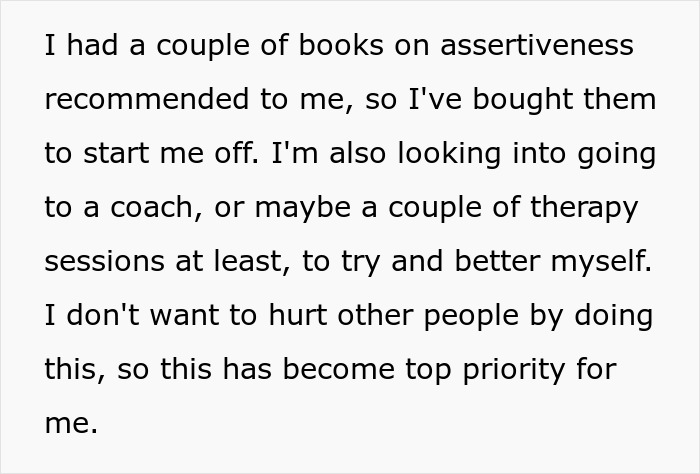
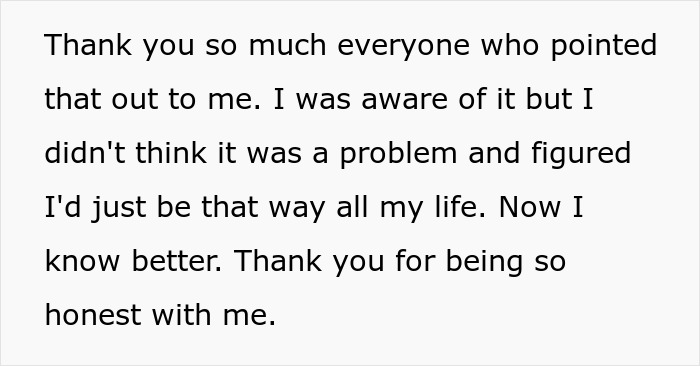
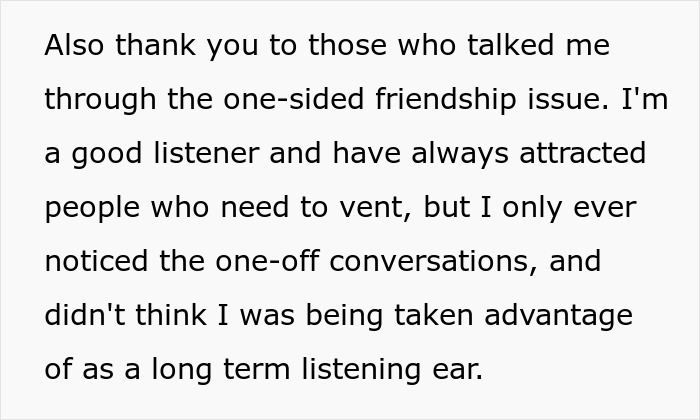
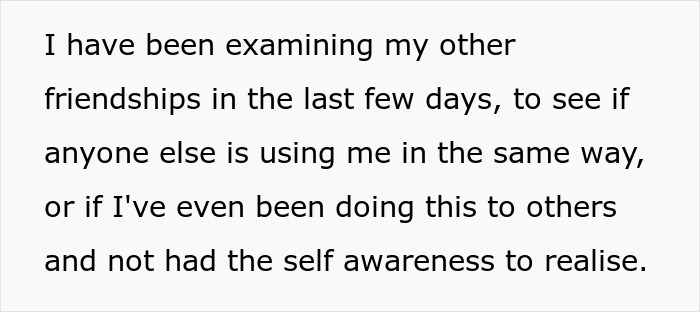
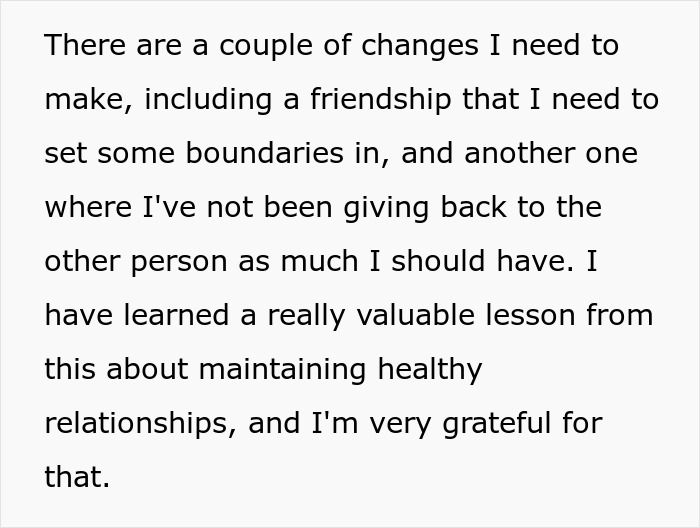
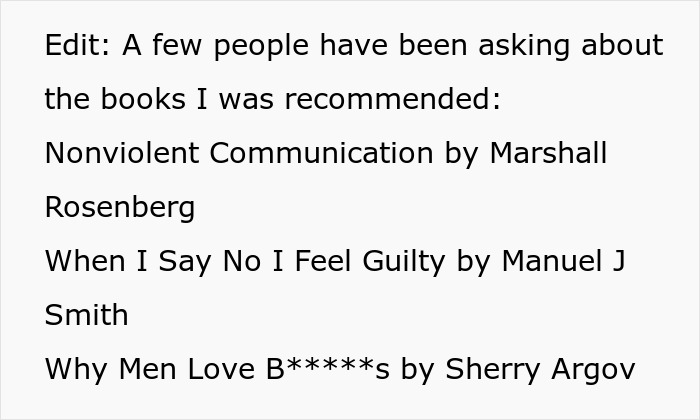
After a lot of introspection, the woman understood that she needed to improve her communication skills and reassess her other relationships
The general approach should be trying to communicate better. The book Nonviolent Communication by Marshall Rosenberg, PhD., focuses on “compassionate connection” and highlights a four-part process: observing without judgment, identifying feelings, recognizing needs, and making clear requests.

KiddyCare Diaper Caddy Organizer Cart for Nursery Baby Basket Gift for Boy/Girl | Diaper Caddy for Changing Table Basket Organizer with Dividers | Caddy for Baby Stuff Breast Pump Caddy - Regular
$9.99 (as of October 26, 2026 01:02 GMT +00:00 - More infoProduct prices and availability are accurate as of the date/time indicated and are subject to change. Any price and availability information displayed on [relevant Amazon Site(s), as applicable] at the time of purchase will apply to the purchase of this product.)
RIVER OF GOODS Stained Glass Bird Accent Lamp - 8" W x 13.5" H - Tiffany Style Table Lamps for Home, Office Desk, Bedroom, Nightstand - Blue Jay Decor
(as of October 26, 2026 01:02 GMT +00:00 - More infoProduct prices and availability are accurate as of the date/time indicated and are subject to change. Any price and availability information displayed on [relevant Amazon Site(s), as applicable] at the time of purchase will apply to the purchase of this product.)
RIVER OF GOODS LED Boho Ceiling Fan with Hand Woven Brown/Natural Rope - Macrame Knot Work and Hemp Rope Style Eclectic Cottage Decor - 52" L x 52" W - Rich Barnwood/Light Driftwood Fan Blades
(as of October 26, 2026 01:02 GMT +00:00 - More infoProduct prices and availability are accurate as of the date/time indicated and are subject to change. Any price and availability information displayed on [relevant Amazon Site(s), as applicable] at the time of purchase will apply to the purchase of this product.)
Supa Ant 6x8ft. Welding Blanket Fireproof (Pack of 2) - Heavy Duty Weld Fire Blanket Tools - Welders Cover for Men Curtain with Gloves - Large Welding Gear for Welder Accessories
(as of October 26, 2026 01:02 GMT +00:00 - More infoProduct prices and availability are accurate as of the date/time indicated and are subject to change. Any price and availability information displayed on [relevant Amazon Site(s), as applicable] at the time of purchase will apply to the purchase of this product.)