The Mysterious Scar Connecting Millions Worldwide—What’s the Shocking Truth Behind It?
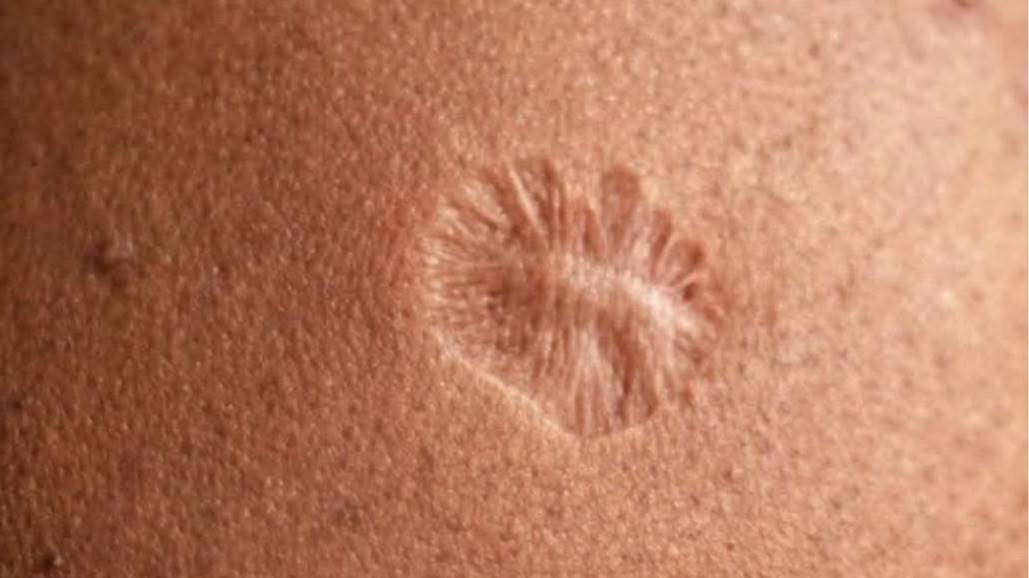
Ever noticed that tiny, mysterious dimple on people’s upper arms popping up all over your social media feed—and wondered if it’s some secret society handshake or the latest fashion statement? Spoiler alert: it’s neither. That curious little mark, resembling a button but not quite, is actually the souvenir from a vaccine called BCG—a vaccine that’s been fighting tuberculosis (TB) behind the scenes for decades. It’s wild how folks from every corner of the globe, regardless of their age or DNA, end up with this identical badge of honor. So next time you spot that neat little scar, remember—it’s not just a quirk of fate, but a testimonial to a global health battle that’s quietly saved millions of lives. Who knew a tiny arm mark could carry such a big story? LEARN MORE
People around the world have been taking to social media to share images of a mark on their upper arm.
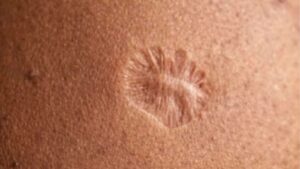
The mark, which has the appearance of a dimple or slight circular depression in the skin, is extremely common.
Many were left wondering how such a strangely similar-looking mark could appear in people from communities all over the world, despite being from completely different genetic backgrounds and different ages.
Posts around the mark began to go viral, with one post asking: “Can anyone explain why everyone has this mark?”
Many people were puzzled, reflecting that they had seen the mark on friends and family members.
The answer is that the mark is actually the result of a particular kind of vaccine.
To be precise, it’s the result of a vaccine called the BCG vaccine, which stands for Bacille Calmette-Guerin, as well as some older smallpox vaccines.
This is an extremely widely used vaccine which inoculates recipients against the worst effects of tuberculosis, or TB.
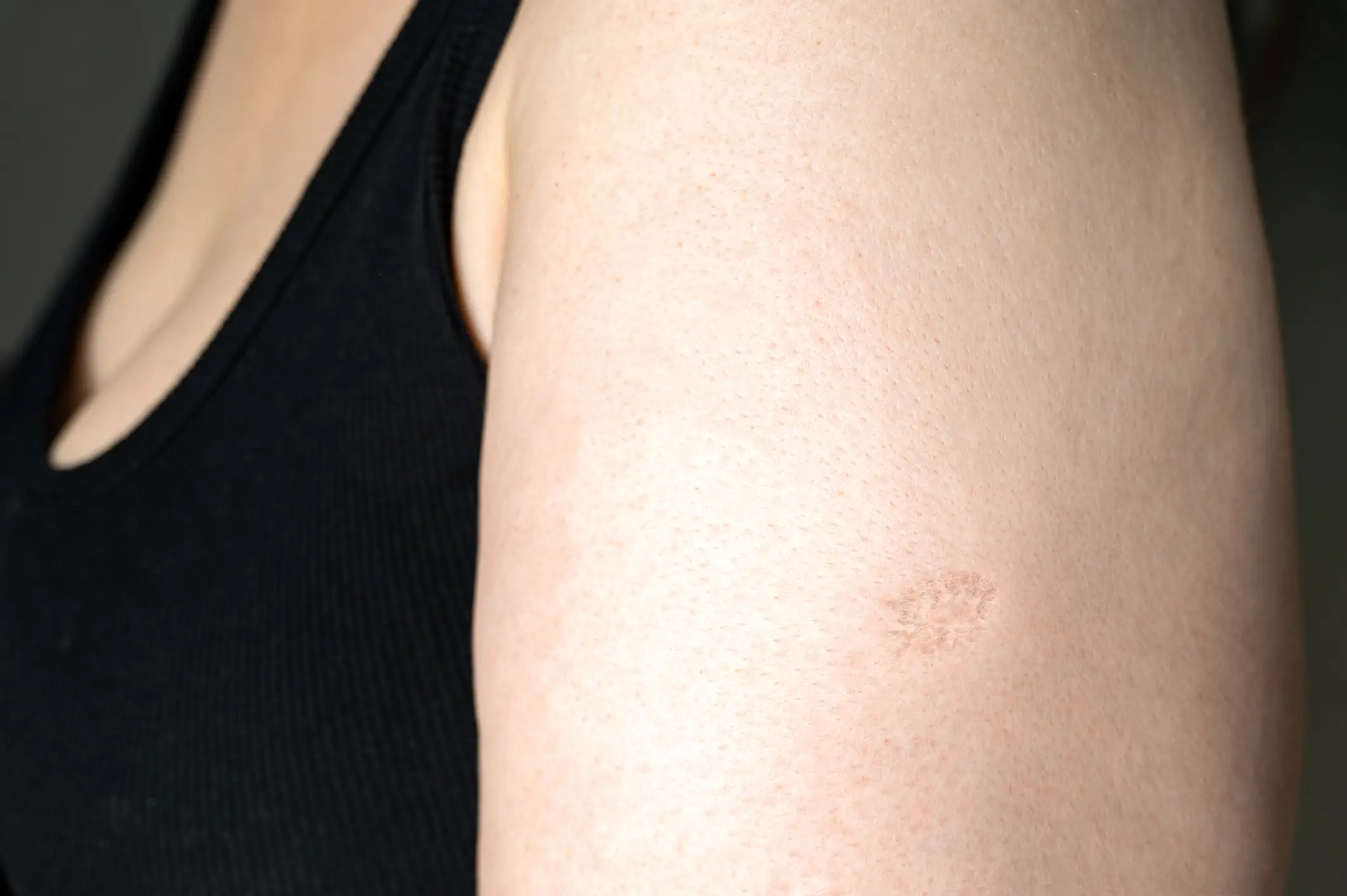
The mark is very distinctive (Getty Stock)
It is typically given to children and infants who are deemed to be at a higher risk of contracting TB.
These groups might include particularly young people, as well as people who either live in or are travelling to countries where there is a higher risk of contracting TB.
According to the World Health Organisation, this is mainly made up of countries in South Asia including India, Pakistan, and Bangladesh, as well as Indonesia and the Philippines,.
Some countries in sub-saharan Africa also see a heightened risk, including Nigeria and the Democratic Republic of Congo.
While the risk in the UK is lower, it is still possible, and the NHS also advises precautions if people are planning to spend an extended period in a country with a higher risk.
TB is caused by bacteria, and is known for causing problems with the lungs, with symptoms including a persistent cough, but can spread to other parts of the body.
It is a deadly disease, with 1.23 million people dying from TB in 2024 according to the WHO, which described it as the ‘world’s leading cause of death from a single infectious agent’, making vaccination programs hugely important in preventing its worst effects.
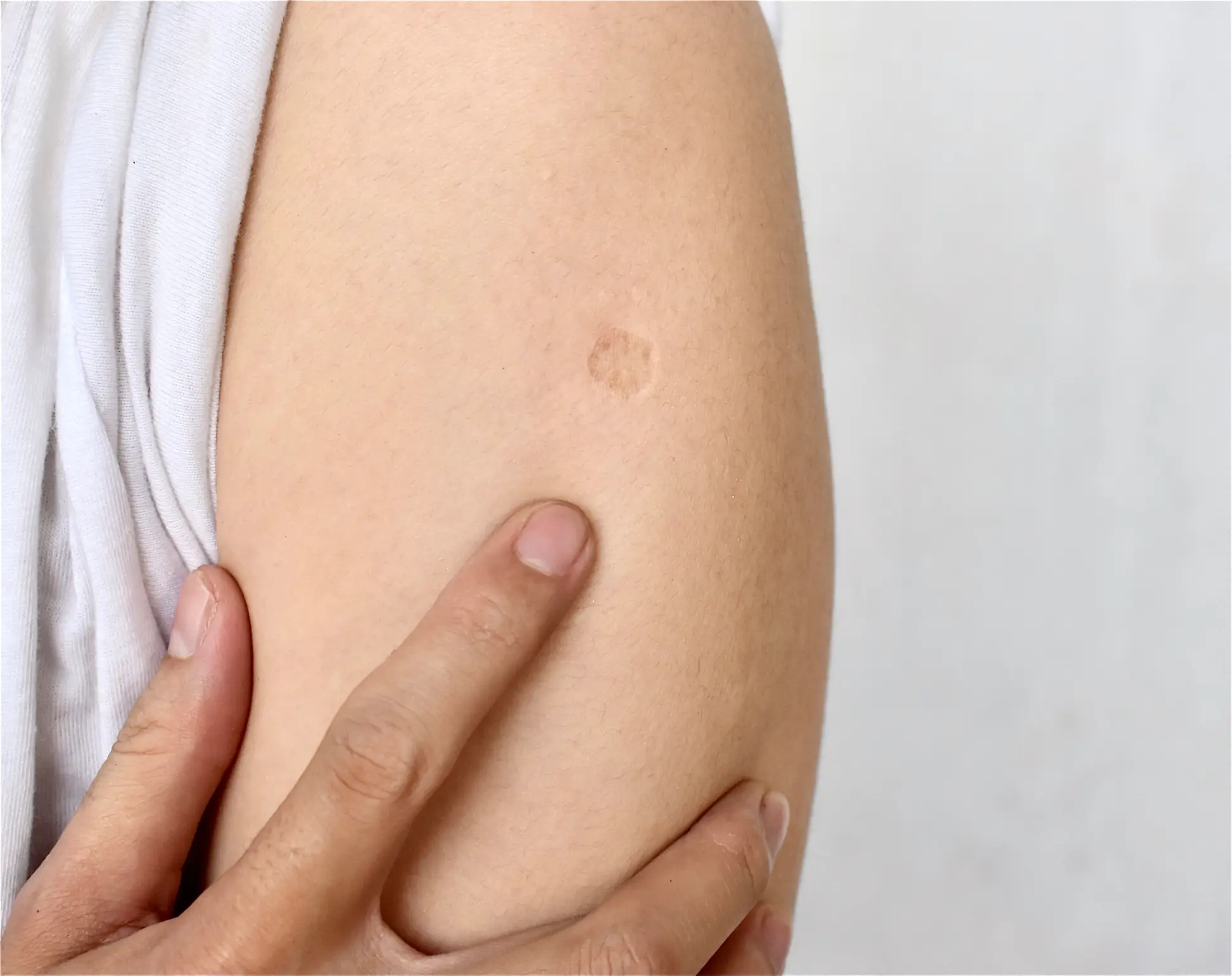
TB is treatable with antibiotics, but vaccines prevent it (Getty Stock)
TB is also a common cause of death in people living with HIV, and there are also growing concerns about strains of the disease with antibiotic resistance, with the WHO describing drug-resistant TB as a ‘public health crisis and a health security threat’.
The NHS says that the symptoms of TB can come on slowly, while the WHO explains that not everyone who contracts the bacteria goes on to develop the serious and potentially deadly symptoms, instead experiencing mild symptoms.
Vaccination programs, such as those which leave that distinctive mark on the arm, are considered to be crucial in preventing people who contract TB from having the serious symptoms.
The WHO estimates that since the year 2000 global efforts to contain and treat TB have saved around 83 million lives – like saving more than the population of the UK from being wiped out.
So when you spot that mark on someone’s arm, you’re looking at a sign of important public health work.
PROMIXX FORM Sports Water Bottle 26oz, Leakproof BPA-Free, Graphite Gray | Premium Large Drinks Bottle With Measurement Markers For Hydration, Infusions And Supplements, Lifetime Durability
$17.60 (as of September 9, 2026 00:37 GMT +00:00 - More infoProduct prices and availability are accurate as of the date/time indicated and are subject to change. Any price and availability information displayed on [relevant Amazon Site(s), as applicable] at the time of purchase will apply to the purchase of this product.)
Skater Trainer Wheels - Beginners get Skateboard Tricks Fast, Safe and Fun | Viral accessory gift - Helps beginners stay excited about their new skateboard - Kids & parents love these
$28.99 (as of September 9, 2026 00:37 GMT +00:00 - More infoProduct prices and availability are accurate as of the date/time indicated and are subject to change. Any price and availability information displayed on [relevant Amazon Site(s), as applicable] at the time of purchase will apply to the purchase of this product.)
White Leaf Baby Food Pouches, Toddler Snack, Mango + Carrot + Banana + Pear | 24 Pack, Organic No Added Sugar, Non-GMO, BPA-Free Regeneratively Farmed, Squeeze Puree Smoothie Pouch for Adults & Children
$69.95 (as of September 9, 2026 00:37 GMT +00:00 - More infoProduct prices and availability are accurate as of the date/time indicated and are subject to change. Any price and availability information displayed on [relevant Amazon Site(s), as applicable] at the time of purchase will apply to the purchase of this product.)
Kinsa Smart,Fever, Digital Medical Baby, Kid and Adult Termometro - Accurate, Fast, FDA Cleared Thermometer for Oral, Armpit or Rectal Temperature Reading - QuickCare
$29.89 (as of September 9, 2026 00:37 GMT +00:00 - More infoProduct prices and availability are accurate as of the date/time indicated and are subject to change. Any price and availability information displayed on [relevant Amazon Site(s), as applicable] at the time of purchase will apply to the purchase of this product.)
















Post Comment