Secret Society of Crabs: Was Amelia Earhart Really One of Them?
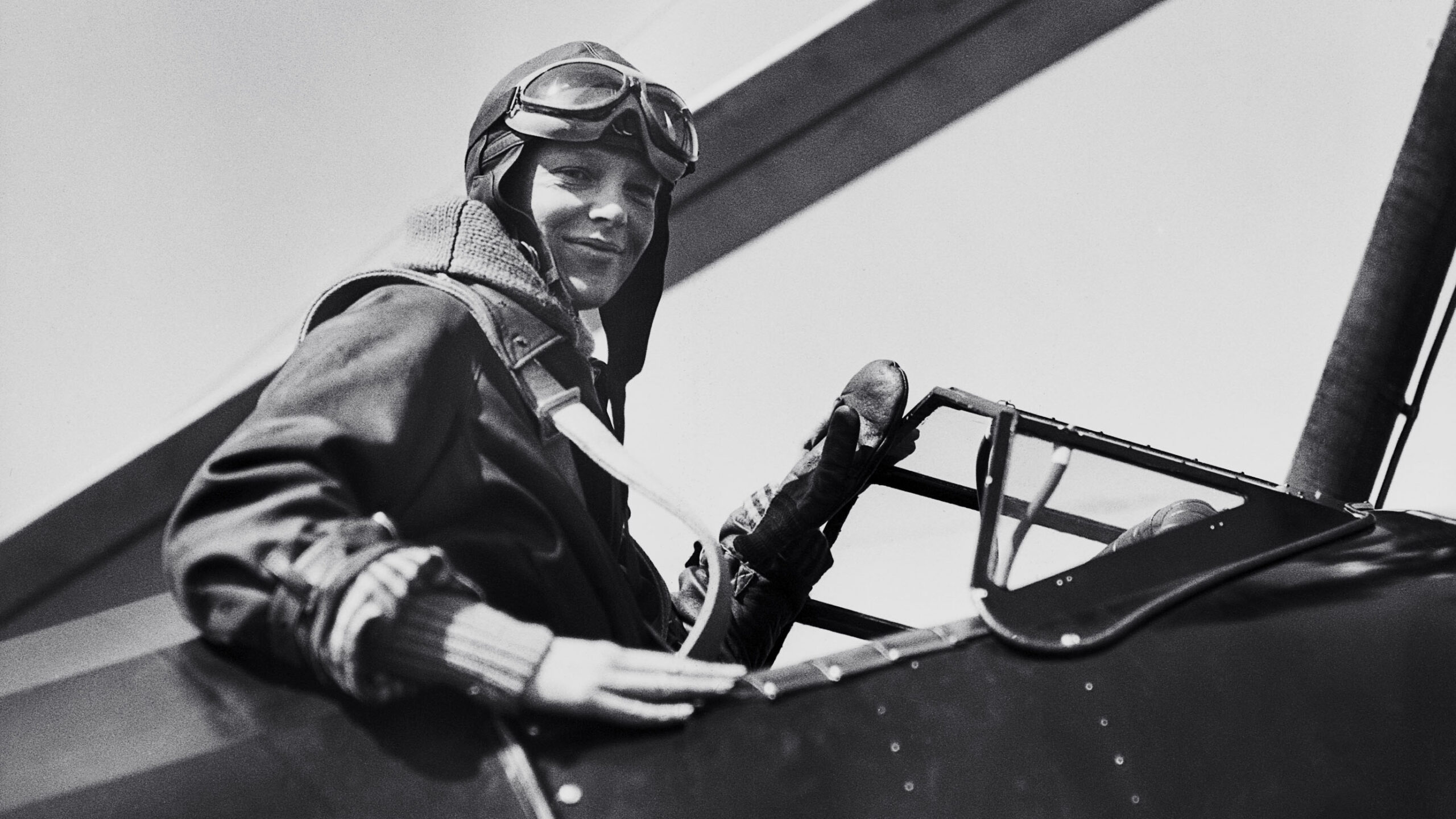
You ever find yourself scrolling through yet another “unsolved mystery” and think, what if the answer was actually just… crabs? Seriously—today’s story takes the legend of Amelia Earhart and gives it a shell-shocking twist I never saw coming. Forget all those wild theories about secret islands or government cover-ups . What if Earhart, the trailblazing aviator, spent her golden years learning the fine art of scuttling sideways, all while being lovingly pinched into the ranks of a coconut crab family? That image alone makes my brain do the cha-cha . I mean, can you imagine slapping DNA evidence on a sea of crustaceans and discovering they all share a suspicious fondness for aviator goggles? If you’re bracing for pictures, theories, and a scientist who takes “crab walk” to a whole new level—you’re in the right place. Life on Nikumaroro might’ve thrown Earhart the ultimate “claws for concern” curveball, but hey, who among us hasn’t wanted to join a secret society of giant beach-dwelling invertebrates at least once? LEARN MORE

NIKUMARORO, KIRIBATI—Claiming to have finally solved the longstanding mystery surrounding the missing aviator’s ultimate fate, a team of Purdue University researchers announced Friday they had found new evidence suggesting Amelia Earhart was accepted into crab society and lived the rest of her life among crustaceans. “Our investigation of a remote atoll in the area where Earhart’s plane vanished in 1937 has led us to believe she ended up assimilating into a colony of coconut crabs who welcomed her with open claws,” said researcher Sheryl Thompkins, adding that her team’s conclusion was supported by DNA evidence of numerous crabs directly descended from a blond human woman. “It appears that the crabs taught Earhart how to scuttle up palm trees and pull apart carrion with a powerful pincer-grip, allowing the aviator to live on for many happy decades as an honorary member of crabkind. Earhart likely would have stopped walking upright and developed a thick, chitinous shell as her cultural carcinization progressed, making identification by subsequent recovery efforts difficult. In fact, we suspect that previous expeditions to Nikumaroro likely came face to face with Earhart herself, but were unable to distinguish her from any of the other coconut crabs she had come to regard as family.” At press time, Thompkins added that Earhart’s navigator Fred Noonan likely succumbed to repeated pinching by Earhart after refusing to accept the crabs’ ways.
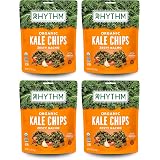
Rhythm Superfoods Kale Chips, Zesty Nacho, Organic and Non-GMO, 2.0 Oz (Pack of 4), Vegan/Gluten-Free Superfood Snacks
(as of October 23, 2026 01:01 GMT +00:00 - More infoProduct prices and availability are accurate as of the date/time indicated and are subject to change. Any price and availability information displayed on [relevant Amazon Site(s), as applicable] at the time of purchase will apply to the purchase of this product.)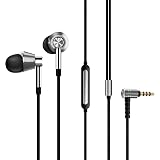
1MORE Triple Driver in-Ear Earphones Hi-Res Headphones with High Resolution, Bass Driven Sound, MEMS Mic, in-Line Remote, High Fidelity for Smartphones/PC/Tablet - Silver
$61.59 (as of October 23, 2026 01:01 GMT +00:00 - More infoProduct prices and availability are accurate as of the date/time indicated and are subject to change. Any price and availability information displayed on [relevant Amazon Site(s), as applicable] at the time of purchase will apply to the purchase of this product.)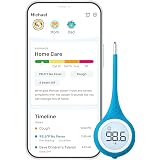
Kinsa Smart,Fever, Digital Medical Baby, Kid and Adult Termometro - Accurate, Fast, FDA Cleared Thermometer for Oral, Armpit or Rectal Temperature Reading - QuickCare
$18.94 (as of October 23, 2026 01:01 GMT +00:00 - More infoProduct prices and availability are accurate as of the date/time indicated and are subject to change. Any price and availability information displayed on [relevant Amazon Site(s), as applicable] at the time of purchase will apply to the purchase of this product.)
Supa Ant 6x8ft. Welding Blanket Fireproof (Pack of 2) - Heavy Duty Weld Fire Blanket Tools - Welders Cover for Men Curtain with Gloves - Large Welding Gear for Welder Accessories
(as of October 23, 2026 01:01 GMT +00:00 - More infoProduct prices and availability are accurate as of the date/time indicated and are subject to change. Any price and availability information displayed on [relevant Amazon Site(s), as applicable] at the time of purchase will apply to the purchase of this product.)




















Post Comment