The Surprising Cyber Skill Gen Z Is Missing That Could Put Their Digital Lives at Risk

Ever wonder what happens when the glowing screen of your trusty Google Maps flickers out — not just a bad signal, but a full-blown cyber blackout? Experts are ringing alarm bells, especially for the younger crowd, who might just be the most lost generation should digital navigation systems go kaput. We’ve all become a tad too cozy swiping our way through unfamiliar streets, entrusting our every turn to that little blue dot. But here’s the kicker — overdependence on these digital lifesavers could leave us stranded when tech finally decides to throw a tantrum. With cyberattacks knocking out everything from supermarket fridges to, yep, our sat navs, the UK is scrambling with survival plans that even include dusting off the old national service playbook. Maybe it’s time we all took a leaf out of the grandma handbook — learn to read PAPER maps again, folks! Because when the digital compass quits, nothing beats knowing how to find your own way. Feeling a bit anxious yet? Me too, but let’s get prepped before we’re collectively wandering the streets like lost puppies.
Experts have warned that younger people may be harder hit if a cyberattack knocked out digital navigation systems, such as Google Maps.
Most of us rely on tech such as sat nav or maps apps on our phones to get around these days, but experts have said that an overreliance on digital maps and navigation systems could be bad news in the long term and have urged people to brush up on essential map reading skills.
With a growing number of cyberattacks across the globe, including ones that took our fridges at supermarkets, National Cyber Security Centre boss Richard Horne recently said that the UK needs to be braced for such attacks.
The UK Government has suggested stockpiling items, while former PM Rishi Sunak reckons that a revamped version of national service could be key.

Experts have warned younger people could be hardest hit (Getty stock image)
Meanwhile, navigation experts say there’s one simple thing you can do that could make a huge difference if the country ever lost its digital navigation systems in a cyberattack – learn how to read maps, the old fashioned way.
Speaking to the Daily Mail, Andy Gardiner, head of research at Ordnance Survey, said that the ‘way younger people interact with mapping has undoubtedly changed, with digital maps and navigation apps now part of everyday life’.
However, he went on to stress the importance of being able to read maps, without relying on tech.
“We still believe map-reading skills remain an important life skill, whether you’re using a paper map, a digital map or a smartphone,” he continued.
“Understanding how to read and interpret a map helps people navigate confidently, stay safe outdoors and discover new places.”
When technology fails, Gardiner said that having being able to understand direction, how to use a map and spotting landmarks can all make a huge difference to safely making your way around.
Meanwhile, human behaviour expert Michael Bond told the outlet that it’s not just young people who are at risk, instead saying that it’s ‘all of us who use sat nav’ to get around.
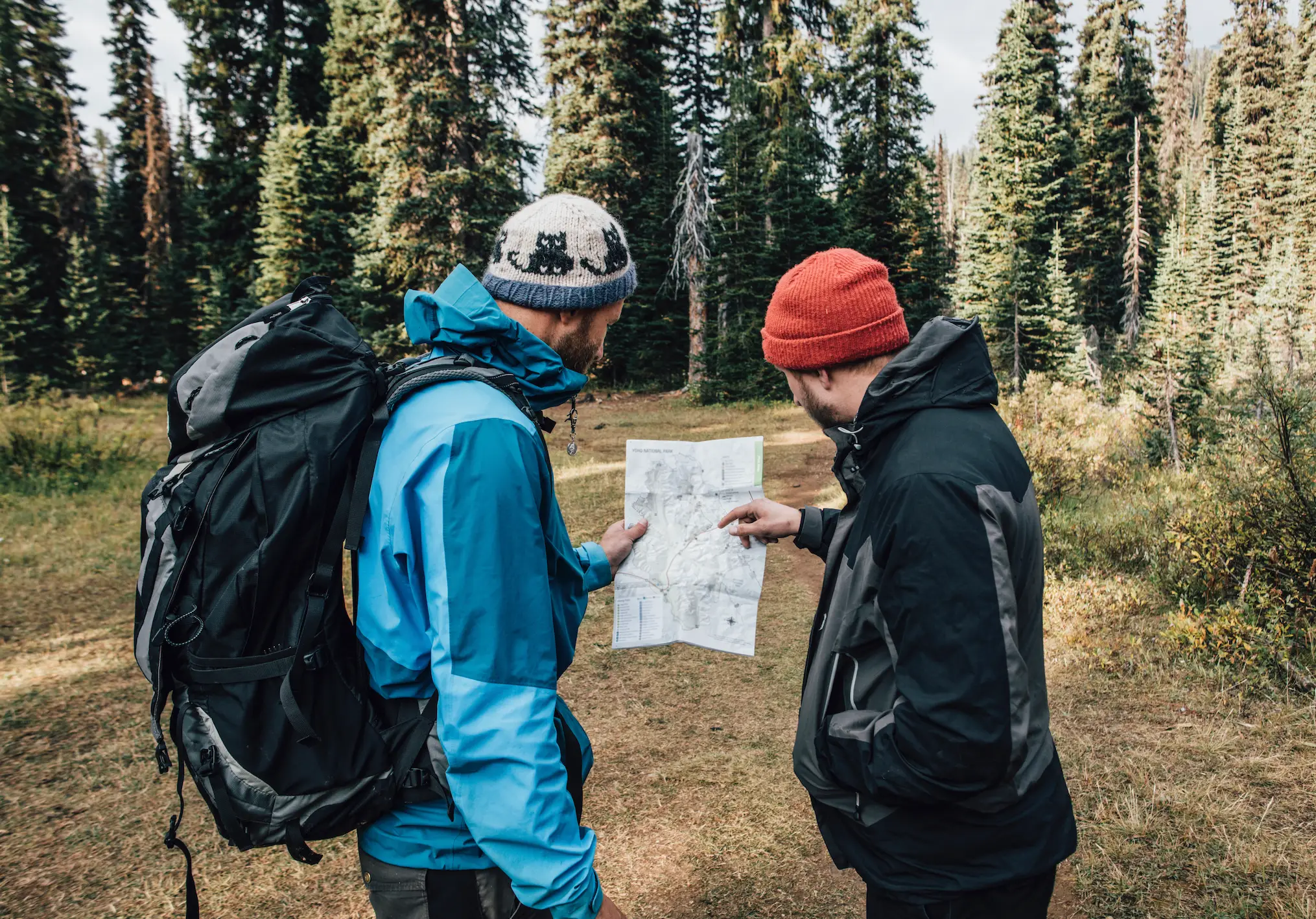
People are being urged to brush up on their map reading skills (Getty stock image)
Bond, who wrote a book titled Wayfinding: The Art and Science of How We Find and Lose Our Way, pointed out that relying on sat nav doesn’t require us to use our spatial memory.
“The spatial part of the brain – the hippocampus and surrounding areas – is completely inactive when we follow navigation instructions on a screen,” he explained.
When questioned on how much he believes people would struggle without their trusty sat-nav or apps, Bond said that he thinks ‘many of us’ would start to notice once we went beyond our neighbourhood or into routes we don’t regularly take.
Thankfully, he also said that it’s ‘always possible to revive’ skills such as map reading and to fire up the part of your brain that deals with spatial memory function, pointing out that our brains haven’t changed since GPS systems were introduced.
Bond said that by building up a ‘mental map’ inside your mind you’ll never be lost – even if the digital navigation system is offline.

White Leaf Baby Food Pouches, Toddler Snack, Mango + Carrot + Banana + Pear | 24 Pack, Organic No Added Sugar, Non-GMO, BPA-Free Regeneratively Farmed, Squeeze Puree Smoothie Pouch for Adults & Children
$69.95 (as of November 10, 2026 01:09 GMT +00:00 - More infoProduct prices and availability are accurate as of the date/time indicated and are subject to change. Any price and availability information displayed on [relevant Amazon Site(s), as applicable] at the time of purchase will apply to the purchase of this product.)
RIVER OF GOODS Coastal 52 Inch Wooden Bead LED Ceiling Fan, Cream
(as of November 10, 2026 01:09 GMT +00:00 - More infoProduct prices and availability are accurate as of the date/time indicated and are subject to change. Any price and availability information displayed on [relevant Amazon Site(s), as applicable] at the time of purchase will apply to the purchase of this product.)
Fire Cloak - 1500F CE Certified Emergency Fire Blanket for Home & Kitchen | 500GSM Fabric & 0.5mm Thick - Silicon Coated 100% Fiberglass Essentials in House, Warehouse Office - 55"L x 70"W by Supa Ant
$83.99 (as of November 10, 2026 01:09 GMT +00:00 - More infoProduct prices and availability are accurate as of the date/time indicated and are subject to change. Any price and availability information displayed on [relevant Amazon Site(s), as applicable] at the time of purchase will apply to the purchase of this product.)
Supa Ant 6x8ft. Welding Blanket Fireproof (Pack of 2) - Heavy Duty Weld Fire Blanket Tools - Welders Cover for Men Curtain with Gloves - Large Welding Gear for Welder Accessories
(as of November 10, 2026 01:09 GMT +00:00 - More infoProduct prices and availability are accurate as of the date/time indicated and are subject to change. Any price and availability information displayed on [relevant Amazon Site(s), as applicable] at the time of purchase will apply to the purchase of this product.)

















Post Comment