The Shocking Truth Behind Infertility: Why Men Are Often Overlooked Despite Their Equal Role.

Ever notice how when a couple can’t seem to get pregnant, eyes instantly zoom in on the woman? She’s the one juggling all the appointments, tests, and tracking charts like a pro detective. Meanwhile, the guy’s left on the sidelines, often overlooked despite the fact that male factors contribute to a staggering 45.1% of infertility cases worldwide — nearly half! It’s like everyone’s been playing a game where the man is invisible (to his own fertility issues, no less). Women end up carrying the emotional load, social pressure, and endless poking and prodding, while men often shy away from testing out of fear or embarrassment tied to old-school notions of masculinity. Guess it’s high time we flipped the script. Male fertility deserves its spot in the spotlight — because understanding the true story behind infertility can open doors to new solutions and hope for countless couples. Ready to uncover the facts hiding in plain sight?
When a couple struggles to get pregnant, the woman is often the first person people look at. A lot of times, she’s the one scheduling appointments, undergoing tests, tracking her cycle, and trying to figure out what could be wrong.
This puts a lot of pressure on women, who may face repeated tests and treatments, along with the emotional strain and social judgment that can come with struggling to conceive. Meanwhile, men may hesitate to get tested because of the stigma surrounding male infertility.
Male factors contribute to nearly half of infertility cases, but the issue is often overlooked
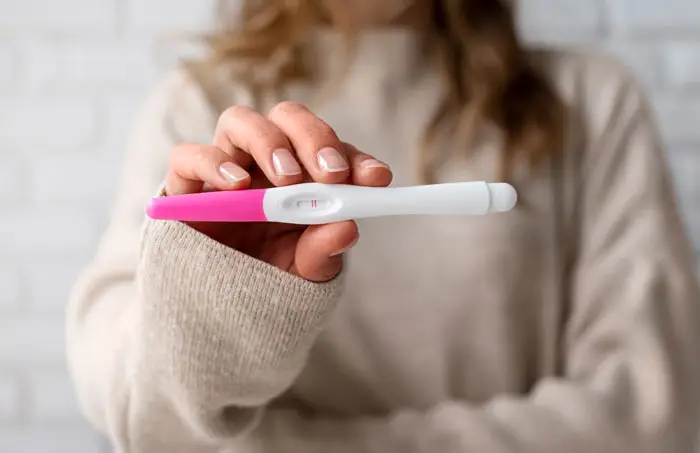
Society’s expectations of masculinity make it harder for men to talk about infertility and admit they need help

This can also make it difficult for men to seek medical help. Some may worry that getting tested will confirm something they fear or expose them to judgment from their partners, families, or wider communities. Others may avoid the subject because they associate fertility problems with a lack of virility.
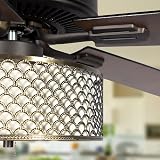
RIVER OF GOODS Mid-Century Modern Transitional LED Bronze Chrome Ceiling Fan - 52" L x 52" W - Rich Barnwood/Light Driftwood Fan Blades - Metallic Ceiling Fan with Light and Fabric Shade
(as of November 10, 2026 01:09 GMT +00:00 - More infoProduct prices and availability are accurate as of the date/time indicated and are subject to change. Any price and availability information displayed on [relevant Amazon Site(s), as applicable] at the time of purchase will apply to the purchase of this product.)
1MORE Triple Driver In-Ear Headphones - Silver - Wired - Adult - In Ear - 18 grams - 90 days limited warranty
(as of November 10, 2026 01:09 GMT +00:00 - More infoProduct prices and availability are accurate as of the date/time indicated and are subject to change. Any price and availability information displayed on [relevant Amazon Site(s), as applicable] at the time of purchase will apply to the purchase of this product.)
White Leaf Baby Food Pouches, Toddler Snack, Mango + Carrot + Banana + Pear | 24 Pack, Organic No Added Sugar, Non-GMO, BPA-Free Regeneratively Farmed, Squeeze Puree Smoothie Pouch for Adults & Children
$69.95 (as of November 10, 2026 01:09 GMT +00:00 - More infoProduct prices and availability are accurate as of the date/time indicated and are subject to change. Any price and availability information displayed on [relevant Amazon Site(s), as applicable] at the time of purchase will apply to the purchase of this product.)
Rhythm Superfoods Kale Chips, Zesty Nacho, Organic and Non-GMO, 2.0 Oz (Pack of 4), Vegan/Gluten-Free Superfood Snacks
(as of November 10, 2026 01:09 GMT +00:00 - More infoProduct prices and availability are accurate as of the date/time indicated and are subject to change. Any price and availability information displayed on [relevant Amazon Site(s), as applicable] at the time of purchase will apply to the purchase of this product.)





















Post Comment