Silent Signals: The Unexpected Heart Attack Symptoms Striking Under 50s You Need to Know Now
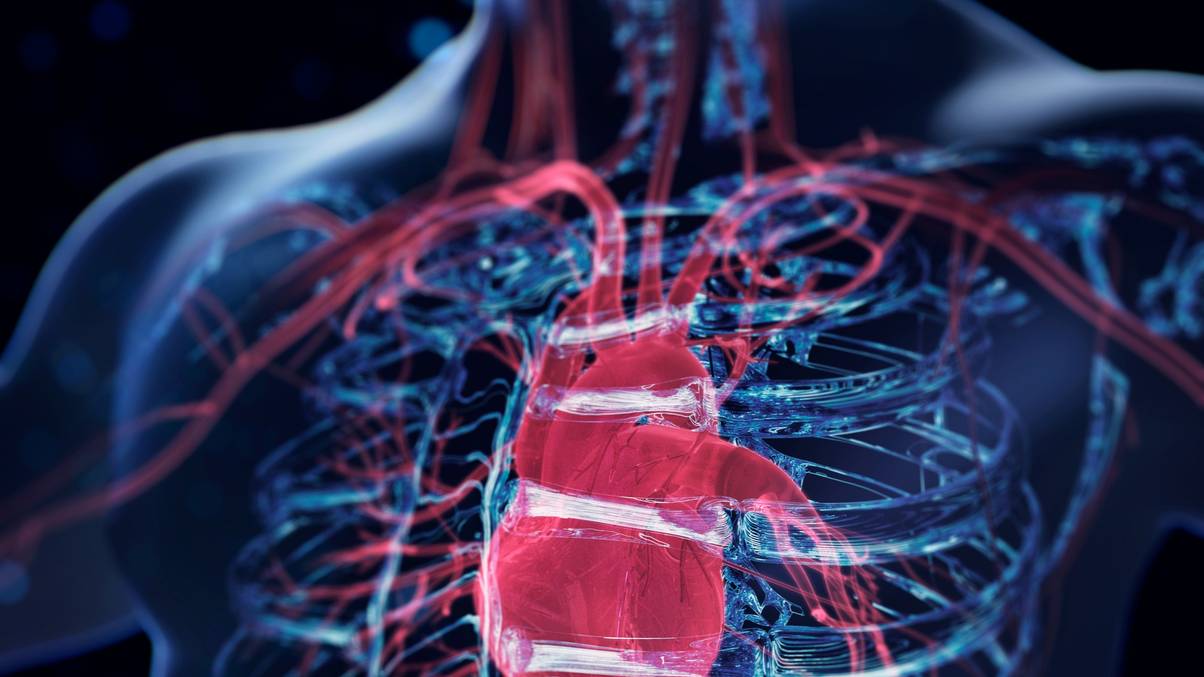
Ever feel like knowing everything about your body online should make you invincible? Yeah, me too. But here’s the kicker—even the fittest among us can get blindsided by heart trouble. Take one Hyrox athlete, for example—mid-race, boom, cardiac arrest. Talk about a wake-up call, right? So, if you’re like me, constantly Googling every ache and pain, maybe it’s time to tune in to some sneaky heart attack signs that don’t come with the usual chest clutching theatrics. Forget waiting for that dramatic left arm zap or jaw pain—some warning signs are as subtle as a whisper but just as serious. Dr. Louai Razzouk spilled the beans on these hidden signals in the New York Post, sharing why catching these oddball symptoms early could literally save your life. Because let’s face it, heart health isn’t just another checkbox—it’s the domino that sets everything else in motion. Curious to find out what your heart might be quietly screaming?
Although the internet means that we’re all more clued up on our own health and bodies than ever before, that’s sadly not always enough to prevent serious conditions from appearing.
And even the healthiest person in the world could still be susceptible to conditions related to the heart, as one Hyrox athlete discovered towards the end of his race as he suffered a cardiac arrest.
So, keeping your ticker ticking is, of course, incredibly important, and that means being able to recognise the warning signs when things aren’t quite right.
We all know about the shooting pains in our left arm and the intense tightness in our chests and jaws when a heart attack is actually happening but how can we make sure that something is done before we get to that point.
Writing for the New York Post, Dr. Louai Razzouk explained some of the warning signs and hidden drivers of heart attacks that you could easily miss.
He writes: “It is just as vital to recognise atypical symptoms.
“A dull ache or sharp, burning sensation below the ribs and above the belly button, back pain or feeling unusually faint, uneasy or short of breath during exertion can all signal a serious problem.
“New, persistent or exertion-triggered chest symptoms warrant immediate medical attention. The symptoms could indicate a heart attack, so call emergency services rather than driving yourself to the hospital.”
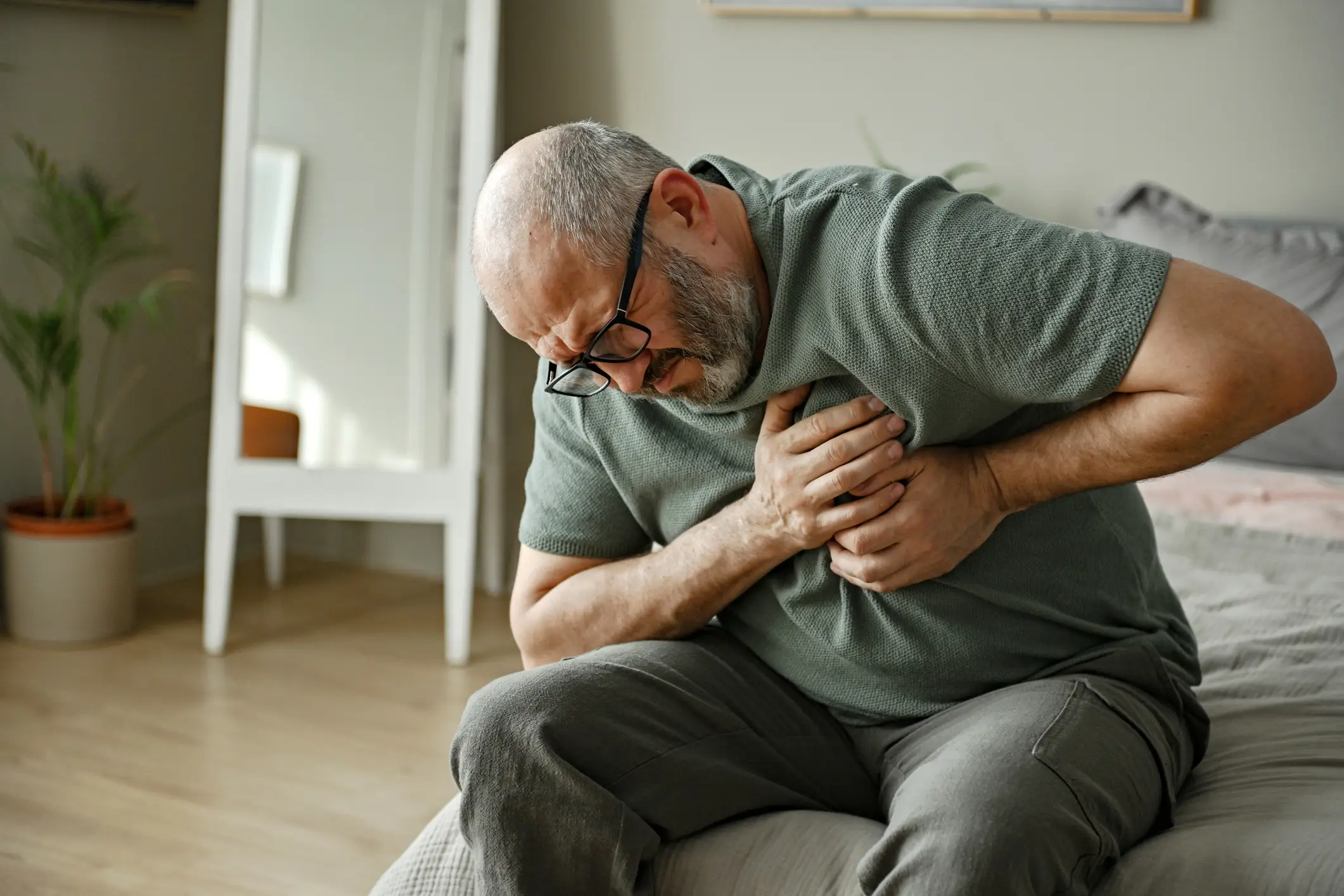
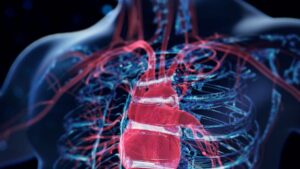
Recognising warning signs might just save your life (Getty Stock)
It’s perhaps more relevant now than ever before, given that a recent study found that between 2011 and 2022, deaths from severe first-time heart attacks among adults aged 18 to 54 rose 57 per cent.
The NHS explains that a person is more likely to have a heart attack if they smoke, have high blood pressure, high cholesterol, diabetes, are overweight or have a family history of heart attacks.
And Dr Razzouk agrees that ‘obesity is a major driver’, since our 20s, 30s and 40s are ‘critical for building lifelong cardiovascular fitness’.
He says: “Staying active during these years can help support longer life and fewer health complications with age. Losing that reserve early can set off a dangerous domino effect.
“Obesity can contribute to high blood pressure, physical inactivity and insulin resistance, increasing the risk of Type 2 diabetes, metabolic syndrome and, ultimately, heart attack.”
Improving your cardiovascular health could be a life-saver (Getty Stock)
However, looks can also be deceiving and even if you feel healthy and active, heart issues can seemingly strike at any moment, so it’s also important to get your blood pressure checked and bloods taken to ensure that everything is going well beneath the surface as well.
Dr Razzouk concludes: “Routine cardiovascular screenings are rarely top of mind for young adults, allowing silent factors to go unnoticed until a major event occurs.
“Young adults should discuss cholesterol testing with their primary care clinician. A lipid panel in the early 20s can help identify elevated cholesterol early, particularly for people with a family history of heart disease or multiple cardiovascular risk factors.
“When it comes to heart health, early detection and prevention can make all the difference.”
RIVER OF GOODS Stained Glass Magna Carta LED Ceiling Fan - 52" L x 52" W - Tiffany Style - Flush Mount Ceiling Fan with Remote - Teal
(as of November 24, 2026 01:16 GMT +00:00 - More infoProduct prices and availability are accurate as of the date/time indicated and are subject to change. Any price and availability information displayed on [relevant Amazon Site(s), as applicable] at the time of purchase will apply to the purchase of this product.)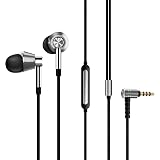
1MORE Triple Driver in-Ear Earphones Hi-Res Headphones with High Resolution, Bass Driven Sound, MEMS Mic, in-Line Remote, High Fidelity for Smartphones/PC/Tablet - Silver
(as of November 24, 2026 01:16 GMT +00:00 - More infoProduct prices and availability are accurate as of the date/time indicated and are subject to change. Any price and availability information displayed on [relevant Amazon Site(s), as applicable] at the time of purchase will apply to the purchase of this product.)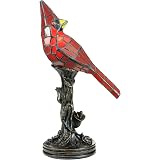
RIVER OF GOODS Stained Glass Bird Accent Lamp - 8" W x 13.5" H - Tiffany Style Table Lamps for Home, Office Desk, Bedroom, Nightstand - Blue Jay Decor
(as of November 24, 2026 01:16 GMT +00:00 - More infoProduct prices and availability are accurate as of the date/time indicated and are subject to change. Any price and availability information displayed on [relevant Amazon Site(s), as applicable] at the time of purchase will apply to the purchase of this product.)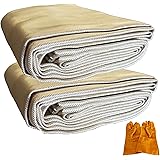
Supa Ant 6x8ft. Welding Blanket Fireproof (Pack of 2) - Heavy Duty Weld Fire Blanket Tools - Welders Cover for Men Curtain with Gloves - Large Welding Gear for Welder Accessories
(as of November 24, 2026 01:16 GMT +00:00 - More infoProduct prices and availability are accurate as of the date/time indicated and are subject to change. Any price and availability information displayed on [relevant Amazon Site(s), as applicable] at the time of purchase will apply to the purchase of this product.)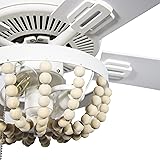
















Post Comment