BBC’s Bold Move: Is Free iPlayer Access for Millions About to Disappear?
Remember the good old days when not having a TV license meant nervously glancing through your blinds for imaginary BBC inspectors? Well, hang onto your remote—because the BBC might finally be ready to bring that cat-and-mouse game online. With iPlayer as the digital stage and your binge-watching habits in the spotlight, discussions are swirling about whether those who dodge the annual £180 fee will be abruptly booted from their favorite shows. Would you risk a “pegged” Peaky Blinders episode just to keep your wallet plump? Or does the notion of scanning a QR code during halftime fill you with more dread than missing a penalty in the World Cup?
Here’s the weirdest part…the Beeb themselves are torn: lock things down and risk a user revolt, or let the stream flow and watch the money trickle out? Maybe, in a future where streaming technology gets too clever for its own good, our beloved TV evaders will find the iPlayer doors firmly shut. For now, though, it’s a waiting game—with every subscriber (and would-be rebel) just refreshing the page. Ready for the next plot twist in the BBC license fee saga? LEARN MORE
The BBC could be looking to make moves in cutting off those who don’t pay for a TV licence.
Well, the broadcaster is apparently open-minded about it anyway.
With previous reports about the annual payment being scrapped altogether to talk about changes, there were reportedly talks about making tweaks to how iPlayer is used on Monday (20 July).
The licence fee currently costs £180 a year for a colour television, following an increase on 1 April.
It’s said that the Beeb’s chief customer officer Kerris Bright said locking down the streaming platform could be an ‘opportunity’ in the future.
This comes per audio obtained by Deadline from an all-staff call at the start of the week.
Bright said the BBC will be keeping the idea under review as streaming technology improves. But she pointed out that blocking iPlayer doesn’t make sense at the moment as it could create unwelcome friction for viewers who do pay the fee.
iPlayer occasionally asks users if they have a licence fee but doesn’t require proof. (Peter Dazeley/Getty Images)
“iPlayer is the only service really that’s licensable where you could actually decide to put a gate in front of it, but the data today says that actually [there’s] not really the return on investment for doing that,” Bright told employees in the call.
“The vast majority of evasion is not on iPlayer. The vast majority of people that are watching iPlayer are people that are paying their TV licence, and so to put a gate in front of iPlayer, the data today says that you actually would make it a very difficult experience for people that are paying for the licence.”
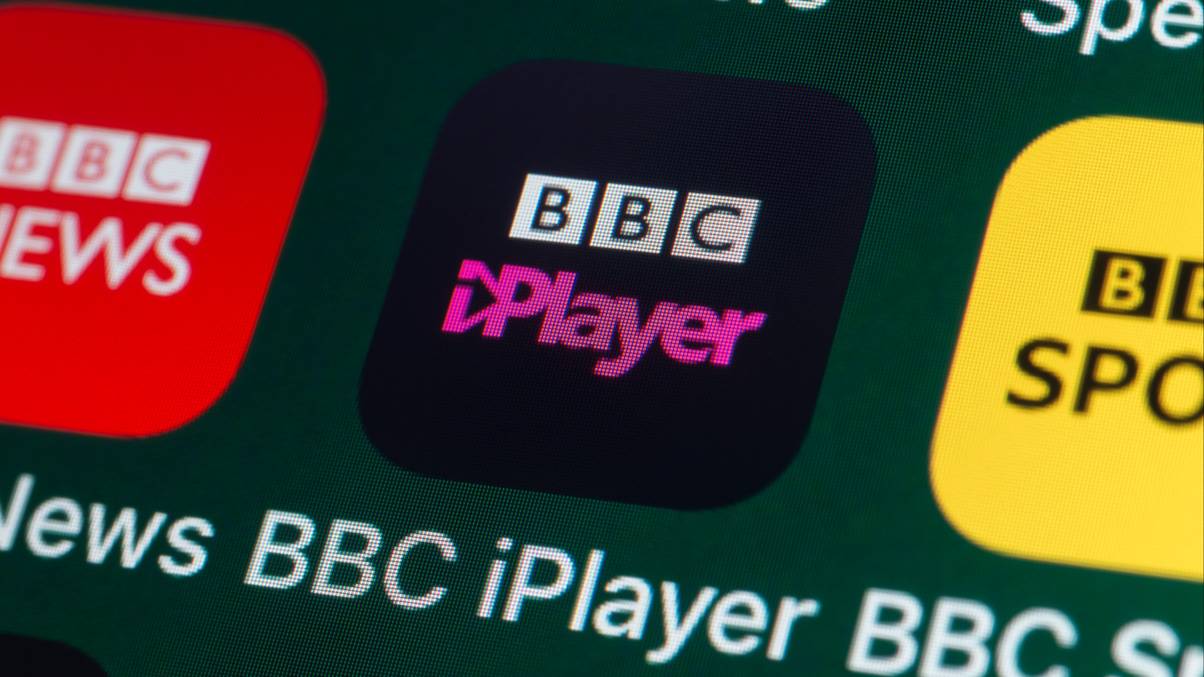
At the moment, when users are on iPlayer, they will occasionally be asked if they have a TV licence but it doesn’t require proof.
“It’s quite a difficult experience if you have to ask them to find their TV licence to put it into iPlayer,” Bright added.
The chief customer officer continued: “As we go into the future, more of an IPTV world, audiences changing behaviour, new ways of creating experiences that maybe aren’t so full of friction for audiences … that might absolutely be an opportunity for us, depending on the funding model.
“The data says today [that] absolutely [it] is not the silver bullet to generating more revenue. There’s probably more cost in it than revenue, but it is something we should absolutely keep looking at because it might be something that you actually would want to do in the future.”
The LADbible Group has contacted the BBC for comment.
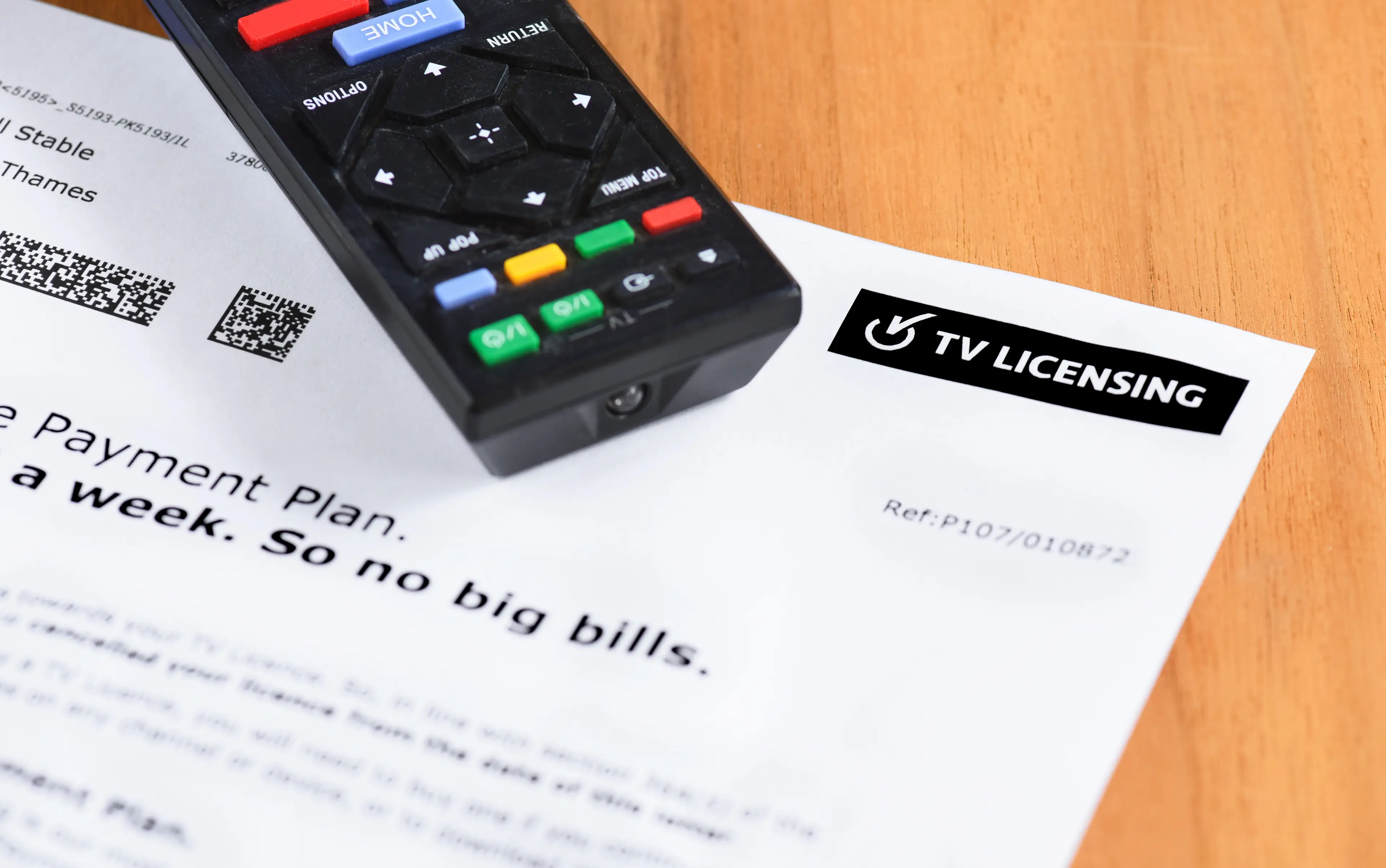
The fee increased in April. (Peter Dazeley/Getty Images)
TV licence fee
It was previously revealed that the BBC’s licence fee income has dropped by more than £1 billion in real terms over the past decade.
And the latest BBC annual report showed that TV licences dropped by more than half a million in the 2025/26 financial year.
While 94 percent of adults use the broadcaster’s services every month, fewer than 80 percent of households financially contribute to the fee.
The World Cup’s QR code
This comes after the controversial QR code during the World Cup apparently worked out pretty well.
The BBC put up a code for viewers to buy the licence during football matches and TV licence sales during this time are said to have performed ‘very strongly’.
A TV licensing spokesperson said: “The summer campaign, including use of the QR code is ongoing, but initial signs suggest TV Licence sales have performed very strongly during the World Cup.
“Major live sporting events typically drive an increase in sales activity. We will continue to do all we can to ensure people are properly licensed.
“Audience behaviour and content consumption continue to change and it’s essential we agree a modernised funding model in Charter negotiations, so the BBC can continue to deliver for audiences in the future.”

Rhythm Superfoods Kale Chips, Zesty Nacho, Organic and Non-GMO, 2.0 Oz (Pack of 4), Vegan/Gluten-Free Superfood Snacks
(as of October 24, 2026 01:02 GMT +00:00 - More infoProduct prices and availability are accurate as of the date/time indicated and are subject to change. Any price and availability information displayed on [relevant Amazon Site(s), as applicable] at the time of purchase will apply to the purchase of this product.)
RIVER OF GOODS Stained Glass Bird Accent Lamp - 8" W x 13.5" H - Tiffany Style Table Lamps for Home, Office Desk, Bedroom, Nightstand - Blue Jay Decor
$79.99 (as of October 24, 2026 01:02 GMT +00:00 - More infoProduct prices and availability are accurate as of the date/time indicated and are subject to change. Any price and availability information displayed on [relevant Amazon Site(s), as applicable] at the time of purchase will apply to the purchase of this product.)
RIVER OF GOODS Coastal 52 Inch Wooden Bead LED Ceiling Fan, Cream
(as of October 24, 2026 01:02 GMT +00:00 - More infoProduct prices and availability are accurate as of the date/time indicated and are subject to change. Any price and availability information displayed on [relevant Amazon Site(s), as applicable] at the time of purchase will apply to the purchase of this product.)
1MORE Triple Driver In-Ear Headphones - Silver - Wired - Adult - In Ear - 18 grams - 90 days limited warranty
(as of October 24, 2026 01:02 GMT +00:00 - More infoProduct prices and availability are accurate as of the date/time indicated and are subject to change. Any price and availability information displayed on [relevant Amazon Site(s), as applicable] at the time of purchase will apply to the purchase of this product.)