Could This Revolutionary Drug Unlock the Secret to Living 25% Longer?

So, here’s a wild thought: what if the secret to eternal youth was hiding inside a little protein called AMPK, and all it took was a clever British concoction dubbed ‘991’ to unlock it? Yep, scientists are now giving worms and fruit flies a longer lease on life—up to 25% more! I mean, yeast and bugs living longer? That’s one heck of a scientific mic drop. If these tiny creatures are anything to go by, maybe grandma’s not destined for the rocking chair just yet. This experimental drug supercharges AMPK, our body’s “fuel gauge,” kickstarting survival mode during stress like fasting or exercise—both known to influence aging. It’s like your cells are doing a high-stakes energy audit… and maybe—just maybe—we’re not too far from humans cashing in on this anti-aging jackpot. Could this be the biomedical game-changer health nuts and hopeful romantics alike have been dreaming of? Only time—and a whole lot of lab mice—will tell.
British researchers are one step closer to developing the fountain of eternal youth – after testing their new drug on worms and flies.
The substance scientists have dubbed ‘991’ has been found to make yeast, as well as larger organisms, live up to 25% longer – and they one day hope to do the same for mammals and even humans one day, reports the Daily Mail.
The experimental drug boosts a protein called AMPK, linked to the conservation and production of energy during times of stress on the body – such as fasting and exercise, processes have long been associated with changes linked to aging.
If scientists are right, one day humans could make use of this anti-aging holy grail to extend their lifespans.
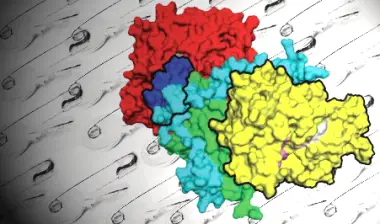
The AMPK protein is linked to age related processes (MRC)
Medical Research Council (MRC)’s Professor Filipe Cabreiro said: “The field is still a long way from anti-ageing clinical trials in humans. This is because ageing is not technically classified as a disease.
“But improving health in older age would be hugely beneficial from a societal and healthcare perspective, since ageing is a major risk factor for so many diseases, such as heart disease, diabetes, cancer and dementia.
“The ability to make individuals healthier for longer, for instance by pharmacologically targeting energy balance through AMPK, would be a major biomedical breakthrough.”
The protein AMPK is known by scientists as the body’s ‘fuel gauge’ – responsible for monitoring the amount of energy available for cellular activity.
When this drops, AMPK becomes a ‘switch’ stopping energy-intensive systems and moving instead to increase fuel-generating processes.
It is activated by physical stress such as exercise and fasting, so our bodies adapt.
Incredibly, it is also linked to metabolism, healing and inflammation – all processes linked to aging. It also affects age-related conditions such as dementia, cardiovascular disease as well as diabetes and obesity.
These attributes have made the enzyme highly interesting to scientists researching this field, which has obsessed humanity since ancient times.
The MRC team harnessed the 991 drug to home in on the AMPK in organisms including yeast, nematode worms and fruit flies – because they all have short lifespans suitable for study.
MRC Redox Metabolism Group’s Dr Helena Cochemé said, “The fact that we can extend lifespan in yeast, worms and flies is very exciting.
“Worms and flies in the lab live for around three weeks and three months respectively, …so we can make progress and discoveries much more rapidly and efficiently than in mammalian systems.
“Our study is the first demonstration that directly targeting AMPK using a drug can have longevity benefits in living organisms.
“If a treatment works successfully in three such distantly related species, then these results give us more confidence that in the longer-term, the effects possibly translate to mammals and eventually perhaps humans.”
Next the scientists hope to start experimenting to increase the lifespan of mice – and because of the track record of safety in trials like these they also want to widen the testing in future, reported the journal Aging Cell.

KiddyCare Diaper Caddy Organizer Cart for Nursery Baby Basket Gift for Boy/Girl | Diaper Caddy for Changing Table Basket Organizer with Dividers | Caddy for Baby Stuff Breast Pump Caddy - Regular
$9.99 (as of October 22, 2026 01:01 GMT +00:00 - More infoProduct prices and availability are accurate as of the date/time indicated and are subject to change. Any price and availability information displayed on [relevant Amazon Site(s), as applicable] at the time of purchase will apply to the purchase of this product.)
Fire Blanket - 1500F CE Certified Emergency Fire Blanket for Home & Kitchen | 500GSM Fabric & 0.5mm Thick - 100% Fiberglass Fire Extinguisher for Car,Warehouse Office - 2pc (47x47 inches) by Supa Ant
$53.45 (as of October 22, 2026 01:01 GMT +00:00 - More infoProduct prices and availability are accurate as of the date/time indicated and are subject to change. Any price and availability information displayed on [relevant Amazon Site(s), as applicable] at the time of purchase will apply to the purchase of this product.)
Joking Hazard by Cyanide & Happiness - 360+ Funny & Inappropriate Comic Cards, Hilarious Party Games | Includes Add-Your-Own-Words Cards
$24.95 (as of October 22, 2026 01:01 GMT +00:00 - More infoProduct prices and availability are accurate as of the date/time indicated and are subject to change. Any price and availability information displayed on [relevant Amazon Site(s), as applicable] at the time of purchase will apply to the purchase of this product.)
RIVER OF GOODS Stained Glass Bird Accent Lamp - 8" W x 13.5" H - Tiffany Style Table Lamps for Home, Office Desk, Bedroom, Nightstand - Blue Jay Decor
$79.99 (as of October 22, 2026 01:01 GMT +00:00 - More infoProduct prices and availability are accurate as of the date/time indicated and are subject to change. Any price and availability information displayed on [relevant Amazon Site(s), as applicable] at the time of purchase will apply to the purchase of this product.)





















Post Comment