Inside the Heartbreaking Reality Behind the 600,000 Pets Euthanized Annually in Shelters
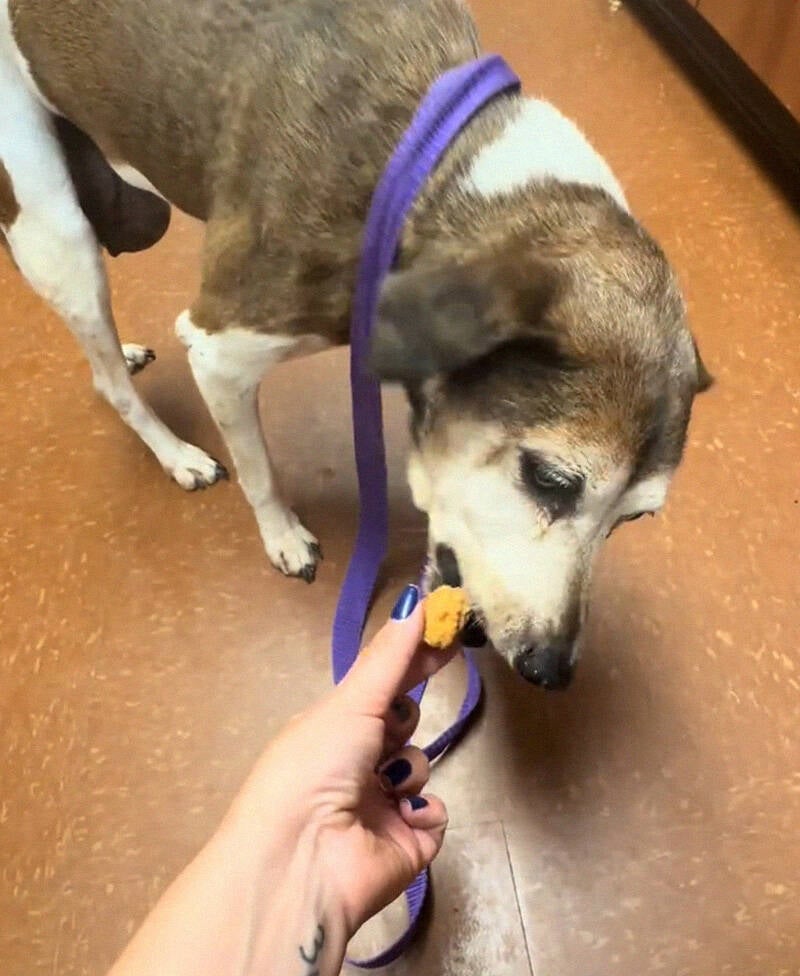
Ever wonder how many furry friends sadly never make it out of shelters alive? Brace yourself—nearly 600,000 cats and dogs were euthanized in the U.S. in 2025 alone. That’s a heartbreakingly huge number, and behind it lies a complex, gut-wrenching reality most of us never see. Enter Kayleigh, a TikTok user who pulls back the curtain and shows us the tough day-to-day of euthanasia technicians—because yes, there’s a whole community of folks doing this difficult—and often thankless—job. For every wagging tail waiting for adoption, there’s a story that doesn’t end with a happy home. Is it the harsh truth we need to face or just a grim reality to push away? Let’s dive in and find out.
Nearly 600,000 cats and dogs were euthanized in the United States in 2025.
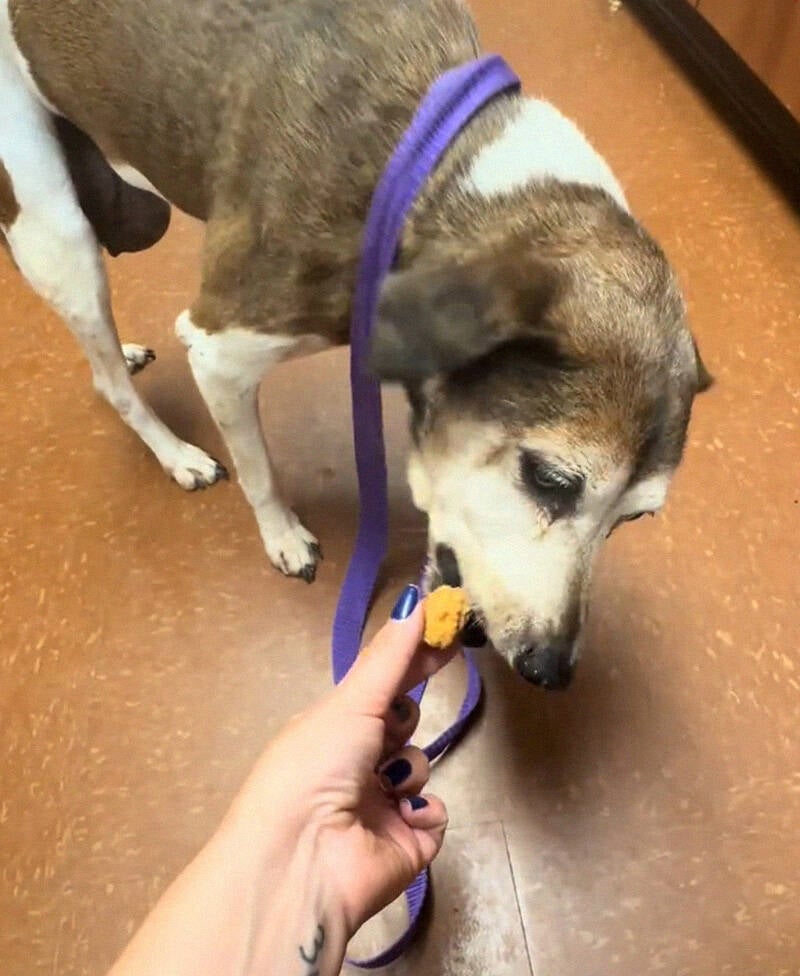
@kayleighanddogs/TikTokKayleigh documents the final moments of the shelter dogs she has to euthanize.
The internet is a fantastic resource for providing a glimpse into people’s everyday lives. Sometimes, however, these lives involve a job that some may find stomach-churning.
According to the ASPCA, 5.8 million dogs and cats entered shelters and rescues across the United States in 2025. While over four million were adopted, nearly two million were left with no long-term home.
Shelters keep some of these animals in the hopes that they will be adopted. Sadly, many other pets — around 600,000 in 2025 — are euthanized. Now, a user on TikTok is sharing her experience as a euthanasia technician in a facility where some of these procedures take place.
Posting under the name Kayleigh & Dogs, the TikToker shares all sides of the job: Meeting the dogs, assessing their issues and, in some cases, going through the process of euthanasia. The footage is often grim — but, according to Kayleigh, that’s exactly the point.
The Truth About Euthanasia In Animal Shelters
In some cases, dogs or cats are euthanized due to serious health problems or behavioral issues that make it difficult to place them in homes. Other times, animals are euthanized because the shelter simply does not have enough room to keep them all.
This latter situation is unfortunately common. While many may believe that shelters take in primarily stray animals, this isn’t entirely the case. Strays accounted for just 59 percent of admittances in 2025, while owner relinquishments — in which pet owners decide for one reason or another that they cannot keep a pet — made up around 30 percent.
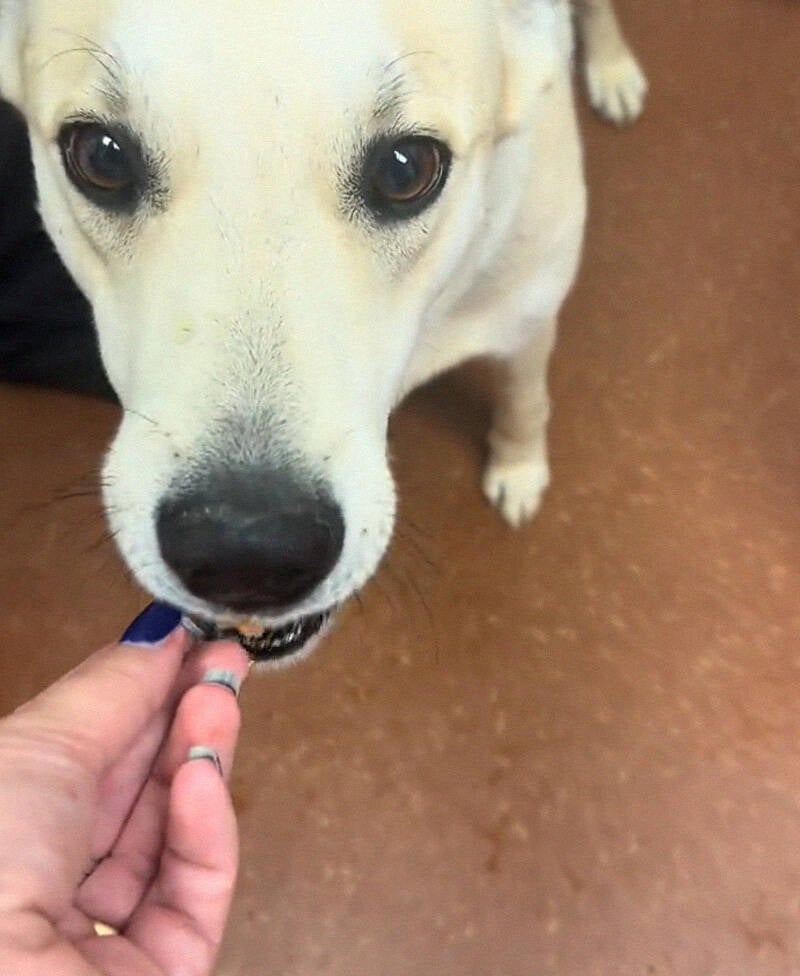
@kayleighanddogs/TikTokKayleigh recently had to euthanize 26 dogs in a single day.
In order to judge whether an animal can be kept and for how long, shelters must account for something called “capacity for care.” This is a rough measurement of how many animals a facility can adequately house given its available space, employees, veterinary resources, and ability to provide necessities like exercise and behavioral enrichment.
This measurement is also a balancing act. If more animals are accepted, the shelter runs the risk of not being able to properly care for the cats and dogs that they already have. Shelters that don’t maintain this balance can end up being poor places for animals to live. For instance, a Los Angeles Times article from 2022 documented how dogs in a local shelter could go months without leaving their kennels.
In response to this issue, some shelters choose to euthanize the animals that cannot be adopted or cared for adequately. This process, and the pain that it causes, is what users like Kayleigh are choosing to document.
How Euthanasia Affects Shelter Workers
Many of Kayleigh’s videos are filled with comments decrying her work. Kayleigh, however, sees her posts as a “brutally honest” look at what really happens in these shelters as a result of the choices that people make.
“I think the public should know what the people behind animal shelters and humane societies have to deal with on a daily basis because of unethical breeders, irresponsible pet ownership, etc.,” she wrote in an Instagram post.
The post contains multiple photos of dogs playing and seemingly enjoying themselves. Kayleigh says that she was involved in putting all of these dogs down.
“I got to know these dogs like I know my own. I monitored personalities to write adoption bios. I worked on basic training to help them be a little more well-behaved when meeting potential adopters. I played with them and squeaked toys around to capture those funny faces. I gave them kisses, booped their cute noses, and gave them belly rubs galore. And then I turned around and jabbed a needle in their arm because 23 dogs have entered our facility since Tuesday,” Kayleigh wrote.

Gracie Zheng/Neon Tommy/FlickrFacilities across the United States don’t have the capacity to care for the number of dogs that are brought in.
The impact this process has on workers in shelters has been well-documented. One 2006 study found that euthanasia workers experience higher rates of job stress, increased family conflict, and lower job satisfaction than shelter workers not involved in the euthanasia process. They also reported greater difficulty sleeping.

RIVER OF GOODS Alabaster LED Mesh Caged Ceiling Fan - 52" L X 52" W - White/Oak Wood-Grain Blades
(as of October 26, 2026 01:02 GMT +00:00 - More infoProduct prices and availability are accurate as of the date/time indicated and are subject to change. Any price and availability information displayed on [relevant Amazon Site(s), as applicable] at the time of purchase will apply to the purchase of this product.)
RIVER OF GOODS Coastal 52 Inch Wooden Bead LED Ceiling Fan, Cream
(as of October 26, 2026 01:02 GMT +00:00 - More infoProduct prices and availability are accurate as of the date/time indicated and are subject to change. Any price and availability information displayed on [relevant Amazon Site(s), as applicable] at the time of purchase will apply to the purchase of this product.)
Skater Trainer Wheels - Beginners get Skateboard Tricks Fast, Safe and Fun | Viral accessory gift - Helps beginners stay excited about their new skateboard - Kids & parents love these
$28.99 (as of October 26, 2026 01:02 GMT +00:00 - More infoProduct prices and availability are accurate as of the date/time indicated and are subject to change. Any price and availability information displayed on [relevant Amazon Site(s), as applicable] at the time of purchase will apply to the purchase of this product.)
Fire Cloak - 1500F CE Certified Emergency Fire Blanket for Home & Kitchen | 500GSM Fabric & 0.5mm Thick - Silicon Coated 100% Fiberglass Essentials in House, Warehouse Office - 55"L x 70"W by Supa Ant
$83.99 (as of October 26, 2026 01:02 GMT +00:00 - More infoProduct prices and availability are accurate as of the date/time indicated and are subject to change. Any price and availability information displayed on [relevant Amazon Site(s), as applicable] at the time of purchase will apply to the purchase of this product.)